
Driving comes with its risks, and among the most dangerous of these is the broadside collision. Also known as a T bone accident, a broadside crash happens when the front of one vehicle hits the side of another, forming a “T” shape. These accidents are not only frightening but often result in serious injuries or even death. Knowing where broadside collisions most commonly occur can help drivers stay alert and avoid getting into a car accident.
In this blog, we will explore the most common places for broadside collisions, why they happen, how you can avoid them, and what to do if you’re involved in one. We’ll also touch on how a Personal Injury Attorney can help you if you’ve been hurt in such an accident.
What Is a Broadside Collision?

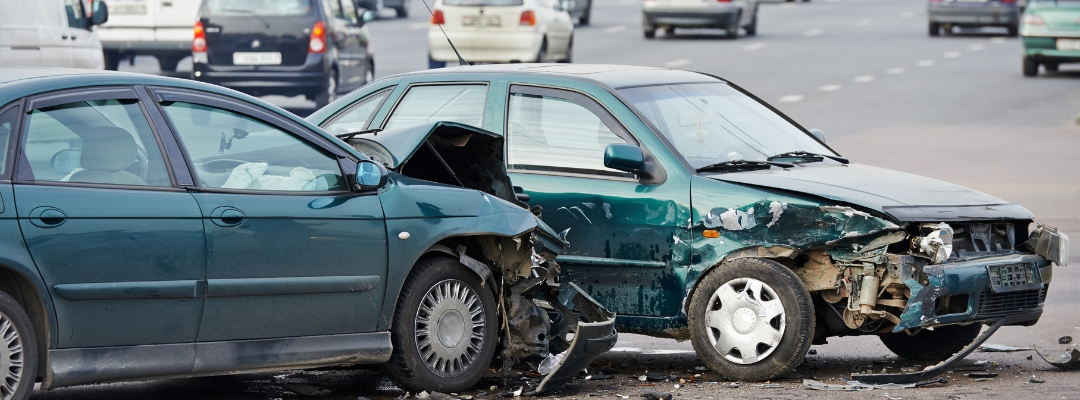
A broadside collision happens when one vehicle hits the side of another. Usually, this type of crash occurs at an angle that creates a “T” shape, with the front of one car slamming into the doors of another. This kind of crash is very dangerous, especially for the person sitting on the side of the car that gets hit.
Unlike front or rear end crashes, the sides of a car have less protection. There are usually no large bumpers or crumple zones to absorb the impact. Because of this, injuries in broadside collisions can be serious, even in vehicles with side airbags.
Intersections: The Most Common Location

The place where broadside collisions most often happen is at intersections. Whether it’s a four-way stop or a traffic light, intersections are full of moving parts. One wrong move, and a crash can occur in a split second. These accidents happen at intersections for several reasons:
- Running Red Lights or Stop Signs: When drivers ignore traffic signals or signs, they can drive right into the path of another car that has the right of way.
- Turning Without Yielding: Left turns across oncoming traffic are common causes of T bone crashes. A driver might think they have enough time to turn but misjudge the speed of the oncoming car.
- Poor Visibility: At busy or poorly lit intersections, drivers may not see another vehicle coming, especially if their view is blocked by trees, signs, or large trucks.
If you’re at an intersection, always look both ways—even when you have a green light. Other drivers may not follow the rules, and being alert could save your life.
Parking Lots: A Hidden Danger
Broadside collisions also happen often in parking lots. This may seem surprising because cars move slowly in these areas. However, the constant in and out movement, tight spaces, and limited visibility make parking lots risky.
For example, when one car is backing out of a space and another is turning down the lane, they can easily collide. If one car’s front hits the side of the other, it’s considered a broadside crash. Though not always serious, these types of Car Accident can still lead to damage and injuries.
Stay alert in parking lots. Drive slowly, check your mirrors, and always watch for cars backing out or pedestrians walking between vehicles.
Urban Areas: More Traffic, More Risks
Broadside collisions are also more likely to occur in busy city areas. With many intersections, crosswalks, cyclists, and pedestrians, city driving requires full attention. One distracted driver, such as someone looking at a phone or hurrying to beat the light, can cause a dangerous collision.
In cities, there are often complex traffic patterns with multi lane roads, turning arrows, and bus lanes. These can confuse drivers unfamiliar with the area, increasing the chances of making a wrong move.
If you drive in an urban setting, slow down at intersections, double check traffic signals, and never assume other drivers will stop when they should.
Rural Roads: Don’t Let the Quiet Fool You
While rural roads have less traffic, they still see their share of broadside collisions. These roads often lack proper signs, signals, and lighting. Also, they may have intersections without traffic lights, just stop signs.
Drivers on rural roads may also travel at higher speeds, making any collision more dangerous. When someone fails to stop at a stop sign or doesn’t yield, a high speed T bone crash can occur.
Drive cautiously on country roads. Approach all intersections slowly, even if you think no one else is around. It’s better to take a few extra seconds than to risk a serious accident.
Causes Behind Broadside Collisions
To avoid broadside collisions, it’s important to understand what causes them. Here are some common reasons:
- Distracted Driving: Texting, eating, or adjusting the radio while driving can cause a driver to miss a red light or stop sign.
- Drunk or Drugged Driving: Impaired drivers have slower reaction times and may ignore traffic signals or fail to see other vehicles.
- Speeding: Drivers going too fast have less time to stop and may run a red light or try to rush through an intersection.
- Weather Conditions: Rain, fog, or ice can make it harder to see traffic signals or stop in time.
No matter the cause, the results of a broadside collision can be devastating. Injuries can include broken bones, head trauma, internal bleeding, and more.
What to Do After a Broadside Collision

If you’re ever involved in a broadside collision, it’s important to know what to do:
- Check for Injuries: First, check yourself and any passengers for injuries. Call 911 if anyone is hurt.
- Move to Safety: If your car can still move, get it out of traffic. Turn on your hazard lights.
- Call the Police: Even in minor accidents, having a police report is helpful when filing insurance claims.
- Take Photos: Capture pictures of the damage, the location, traffic signs, and any injuries.
- Get Medical Help: Sometimes, injuries don’t show up right away. It’s a good idea to see a doctor even if you feel okay.
Contact a Lawyer: If you were injured, speaking to a Personal Injury Attorney can help protect your rights.
How a Personal Injury Attorney Can Help
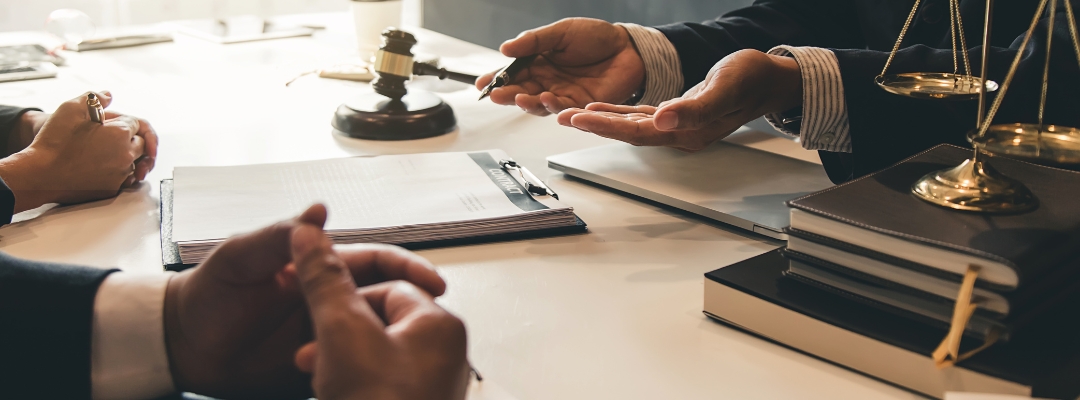
A Personal Injury Attorney plays an important role after a broadside car accident. If you were hurt because of someone else’s carelessness, a lawyer can help you:
- Understand your legal rights
- Deal with insurance companies
- Gather evidence to prove fault
- Estimate your total losses (medical bills, lost wages, etc.)
- File a claim and negotiate for fair compensation
- Go to court, if needed
Lawyers who handle injury cases know how to prove that the other driver was at fault. This is especially important in T-bone crashes, where blame can sometimes be unclear. If you’re recovering from injuries, the last thing you need is to fight with insurers. Let a lawyer take care of the legal side while you focus on healing.
Preventing Broadside Collisions
While not every accident can be avoided, there are things you can do to reduce your chances:
- Obey all traffic signs and lights
- Don’t rush through yellow lights
- Double check for traffic before making a turn
- Avoid distractions behind the wheel
- Never drive under the influence
- Be extra cautious in busy areas, at night, or in bad weather
Being a careful and alert driver is your best defense.
Final Thoughts
Broadside collisions, or T bone crashes, are among the most dangerous types of car accidents. They happen most often at intersections, in parking lots, and in busy city streets. But they can also occur on rural roads and in unexpected places.
Understanding where and why these crashes happen can help you stay alert and drive more safely. If you’re ever hurt in a broadside crash, don’t try to handle everything alone. A Personal Injury Attorney can guide you through the legal steps and help you get the support you need.