


Accidents can happen at any time and in many different ways. Whether it’s a car crash, a slip and fall, or a workplace injury, these events can lead to serious physical, emotional, and financial problems. When someone else is responsible for your injury, you have the legal right to seek compensation through a personal injury claim. But many people don’t know what a personal injury claim is or how it works.
That’s why it’s important to understand the basics, especially if you’re looking for the best lawyers in Maryland or a personal injury attorney near me. A personal injury claim helps you recover money for things like medical bills, lost wages, and pain and suffering. In this guide, we’ll explain what a personal injury claim is, how to file one, and why hiring a Maryland Personal Injury Attorney can make a big difference in your case.
What Is a Personal Injury Claim?

A personal injury claim is a legal action taken by someone who has been physically or emotionally injured because of another person’s carelessness or wrongdoing. This claim is meant to help the injured person recover financial compensation, also known as damages, for their losses. These losses may include medical expenses, missed income, emotional suffering, and more.
Personal injury claims can result from car accidents, slips and falls, dog bites, or defective products. To win a personal injury case, you must prove that someone else was responsible for your injury. Working with a personal injury attorney or a personal injury lawyer Baltimore trusts can help you build a strong case and protect your rights.
Common Situations That Lead to Personal Injury Claims:
- Car Accidents: Car accidents are one of the most common reasons people file personal injury claims. When a driver is careless, like speeding, texting while driving, or ignoring traffic signs, they can cause serious injuries. Victims may be entitled to compensation for medical costs, car repairs, and lost wages.
- Slip and Fall Accidents: Slip and fall cases occur when someone is injured on another person’s property due to unsafe conditions. Wet floors, poor lighting, or uneven surfaces can cause falls. Property owners have a legal duty to keep their space safe, and failure to do so may lead to a claim.
- Workplace Injuries: Injuries at work can happen in any job setting. Common causes include faulty equipment, unsafe work environments, or a lack of proper training. Although workers’ compensation usually covers these injuries, some cases may involve third-party claims requiring the help of a Maryland Personal Injury Attorney.
- Dog Bites: Dog owners are usually responsible if their pet bites someone. Dog bites can cause serious harm, infections, or emotional trauma. A personal injury claim can help cover medical treatment and other damages related to the attack.
- Medical Malpractice: Medical malpractice occurs when a doctor or healthcare provider makes a serious mistake that harms the patient. This might include a wrong diagnosis, surgical error, or improper medication. Victims can seek compensation for long-term effects and extra medical care.
- Product Defects: When a product doesn’t work properly and causes injury, the manufacturer or seller may be at fault. Defective appliances, unsafe toys, or faulty car parts can all lead to injuries. Filing a claim ensures companies are held accountable for unsafe products.
What Counts as a Personal Injury?
For a situation to qualify as a personal injury case, four key elements must be present. These elements help show that someone else was at fault and should be held responsible for your injuries. Let’s break down each part:
- The Other Party Had a Duty to Act Safely: The first thing to show is that the other person had a legal responsibility to act in a careful and safe way. This is called a “duty of care.” For example, drivers have a duty to follow traffic rules and stay focused on the road. Business owners must keep their stores clean and free of hazards to protect customers. Property owners are expected to fix broken steps or clear icy walkways. In all of these cases, the law expects people to take reasonable steps to avoid causing harm to others.
- They Failed to Meet That Duty: Next, you must prove that the other party did not act responsibly. This is known as a “breach of duty.” It means they failed to live up to the basic standards of care. A driver might run a red light or text while driving. A store owner might ignore a spill and leave the floor slippery. A landlord could fail to repair broken stairs. These actions—or lack of action—can create dangerous situations that put others at risk.
- Their Failure Caused Your Injury: It’s not enough that someone acted carelessly—you also need to show that their actions directly led to your injury. This part is called “causation.” You must prove that your injuries would not have happened if the other party had acted properly. For example, if you slipped because a store didn’t clean up a wet floor and you broke your arm, you need to show that the fall and the broken arm were clearly caused by their failure to keep the floor safe.
- You Suffered Damages: Lastly, you need to show that you suffered actual harm because of the injury. These harms are called “damages.” They can include physical injuries like broken bones or back pain, emotional stress like anxiety or depression, and financial losses such as medical bills, lost wages, or repair costs. Without damages, there’s no basis for a personal injury claim, even if the other person was careless.
Why Do People File Personal Injury Claims?
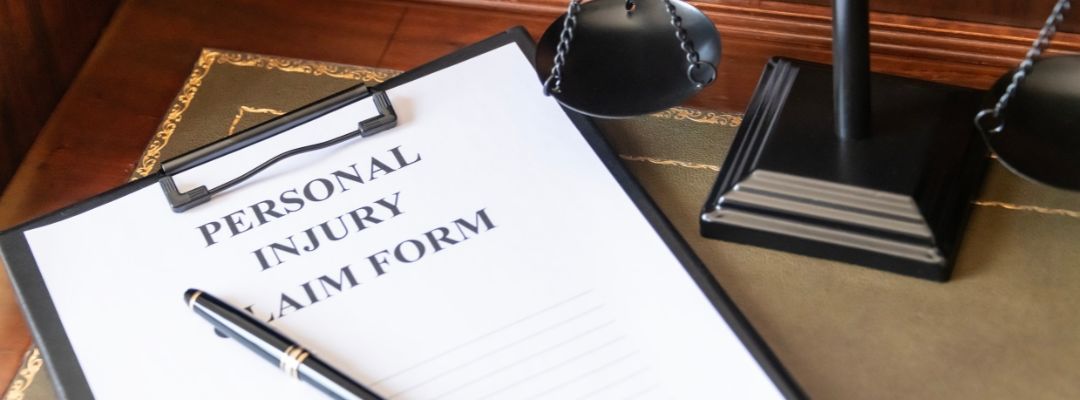
When you’ve been hurt because of someone else’s negligence, a personal injury claim allows you to recover financially and emotionally. People file claims to get justice and to make sure they aren’t left covering the costs of someone else’s mistakes. Here are the main reasons people file personal injury claims:
- Medical Expenses: Injuries can lead to expensive hospital visits, surgeries, prescriptions, and therapy. Personal injury claims help cover all current and future medical costs related to the accident, so victims don’t have to pay out of pocket for treatment they wouldn’t have needed otherwise.
- Lost Wages: When injuries keep you from working, the loss of income can create serious financial stress. Personal injury claims provide compensation for the income you’ve already lost and, in some cases, for future loss of earning potential if your injury affects long-term employment.
- Pain and Suffering: Some injuries cause long-term pain, emotional distress, or a reduced quality of life. This non-financial damage is also part of your claim. A personal injury attorney near me can help calculate and fight for fair compensation for your suffering.
- Property Damage: In some cases, like car accidents, personal property may be damaged or destroyed. A personal injury claim can include the cost to repair or replace items such as your vehicle, phone, or personal belongings damaged in the accident.
How the Personal Injury Claim Process Works
Filing a personal injury claim can feel overwhelming, but a good Maryland Personal Injury Attorney can help you every step of the way. Here’s how the process usually works:
- Seek Medical Help: Always get treatment right away, even if your injury seems small. Medical records help prove your injuries were caused by the accident.
- Hire a Personal Injury Attorney: Contact a local personal injury attorney near you to discuss your case. Many offer free consultations and only get paid if you win.
- Investigation: Your attorney will gather all the facts—medical records, photos, police reports, witness statements—to build a strong case.
- Filing a Claim: The attorney will file a claim with the at-fault party’s insurance company. This step explains your injuries, evidence, and how much money you’re seeking.
- Negotiation: Insurance companies often make a low first offer. Your lawyer will negotiate for a better deal. Most cases are settled during this stage.
- Filing a Lawsuit (if needed): If no fair settlement is reached, your lawyer may file a lawsuit. This starts the court process, but many lawsuits are still settled before trial.
- Trial and Verdict: If your case goes to trial, both sides present their evidence. A judge or jury then decides how much compensation you receive.
How Much is My Personal Injury Case Worth?

The cost of your personal injury case depends on several factors, including the severity of your injuries, medical expenses, lost wages, pain and suffering, and how the injury has impacted your daily life. Cases involving long-term or permanent injuries typically result in higher compensation. A Maryland Personal Injury Attorney can help evaluate your case by looking at medical records, expert opinions, and other evidence. It’s also important to consider future medical needs and emotional distress. Every case is unique, so speaking with top rated personal injury attorneys can give you a clearer idea of what your claim may be worth.
How Long Do You Have to File a Claim?
In Maryland, you have three years from the date of your injury to file a personal injury claim. This is called the statute of limitations. If you miss the deadline, you may lose the right to recover any compensation. Speak with a lawyer right away to protect your rights.
Conclusion
A personal injury claim is more than just paperwork—it’s a way to get the justice and financial relief you deserve after being hurt. Whether your injury came from a car accident, a fall, or a defective product, the law gives you the right to seek compensation. With the help of a skilled Maryland Personal Injury Attorney, you can navigate the legal system confidently and get the support you need. Many personal injury lawyers in Maryland with free consultations can review your case at no cost. Don’t wait—speak with a personal injury lawyer Baltimore residents trust and find out how a claim can help you move forward with your recovery.