

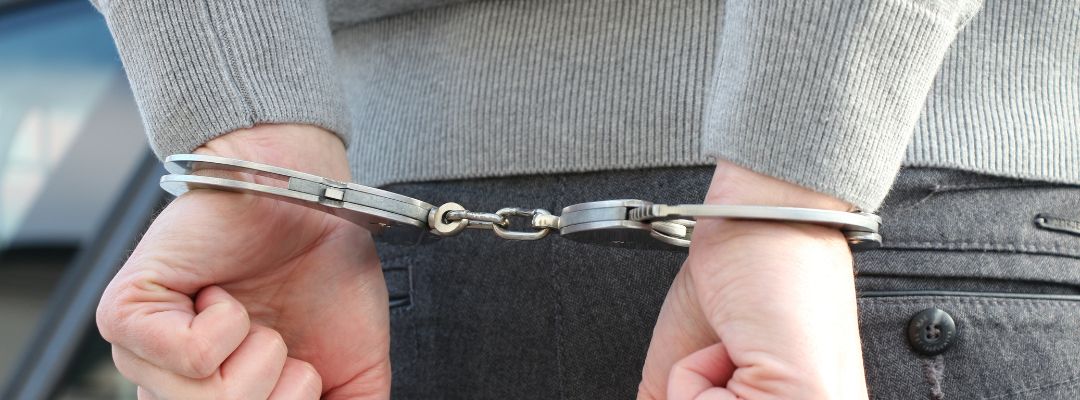
An arrest can happen when you least expect it. Whether you’re attending a protest, pulled over during a traffic stop, or involved in a heated situation, knowing what to do in case of arrest is not just smart, it’s essential. Preparing in advance doesn’t mean you expect trouble, but it means you value your safety, your freedom, and your legal rights.
This guide will help you understand what to do before, during, and after a potential arrest. You’ll also learn when to speak with professionals like top rated attorneys, especially if you are harmed or treated unfairly in the process.
Know Your Rights and Use Them Wisely
One of the most powerful things you can do is understand your legal rights. In stressful situations, knowing what you can and cannot do helps you stay calm and stay safe. The key rights to remember include:
- Right to remain silent – You don’t have to answer questions beyond your name and ID.
- Right to an attorney – Always ask for a lawyer before answering anything.
- Right to know if you are being detained – Ask, “Am I free to go?” If not, you are likely under arrest.
- Right to refuse a search – If police ask to search your belongings, you can say no unless they have a warrant or legal reason.
Understanding these rights gives you control over how the situation unfolds. Don’t argue or resist, but calmly use your voice to protect yourself.
Mentally Prepare for the Unexpected
Facing arrest can feel overwhelming, especially if you’ve never experienced it before. But preparing mentally can help you remain clear-headed in the moment. Ask yourself how you would react, who you would call, and what steps you’d take. To prepare mentally:
- Visualize the situation – Think through what might happen and how you would respond.
- Practice staying calm – Take deep breaths and avoid reacting emotionally.
- Plan your words – Practice saying, “I want to speak to a lawyer,” and “I’m exercising my right to remain silent.”
Being mentally ready makes it easier to protect your rights and stay out of deeper trouble.
Carry Only What’s Necessary

The fewer items you carry, the better. If you’re in a situation where an arrest might happen like at a protest or after a traffic accident, make sure your belongings won’t make things worse.
Pack smart by carrying:
- A valid photo ID
- A small amount of cash
- Written emergency contacts
- A basic list of medical conditions or allergies
- No sharp objects or questionable items
Avoid carrying anything illegal or anything that could be misunderstood as dangerous. Even items like tools or self-defense gear can create problems during a search.
Let Someone Know Where You Are

One of the most overlooked steps is simply telling someone your plans. If you’re attending a protest, meeting someone new, or even driving long distances, make sure a friend or family member knows your location. How to stay safe with support:
- Share your live location through your phone
- Set up a check-in time with someone you trust
- Give them your emergency contact and lawyer’s number
- Tell them when to worry if you don’t check in
Having someone on the outside looking out for you is one of the best ways to stay protected during uncertain moments.
Understand What Happens During an Arrest
If you’re arrested, the process typically includes being handcuffed, searched, transported to a station, and held until you’re either released or see a judge. Staying calm and silent is your best defense. Here’s what to expect:
- You may be searched – Be polite, but don’t consent to anything unnecessary.
- You may be questioned – Politely say, “I want to speak to a lawyer.”
- You’ll likely be fingerprinted and photographed
- You’ll be offered a phone call – Call someone who can act quickly on your behalf.
The goal is to stay quiet, respectful, and alert. Any argument or resistance can make your situation worse, even if the arrest seems unfair.
Save a Lawyer’s Contact Information

You don’t need to be guilty of a crime to need a lawyer. In fact, if you are arrested in a tense situation or after a physical injury, it’s critical to have legal support.
Keep a card or note with the number of:
- A defense attorney or legal aid service
- Top rated personal injury attorneys if you’re hurt during the arrest
- A trusted car accident attorney if your arrest follows a traffic collision
If you’re arrested and injured, whether by police force, handcuff injury, or mistreatment in jail—you may have a case. The best top rated personal injury attorneys can help you understand your options and fight for justice.
Secure Your Digital Privacy
Most people don’t realize how vulnerable their phones are during arrest. If your phone is taken, police may attempt to access private information. You can protect yourself ahead of time by following these digital safety steps:
- Use a strong password, not face ID or fingerprint
- Log out of email, social media, and cloud accounts
- Turn off location tracking
- Back up important files and contacts
- Clear sensitive text threads and photos
A locked phone with minimal sensitive data keeps your private life out of public hands.
Think Before You Post on Social Media
In the age of Instagram and live-streaming, it’s tempting to share everything. But if you think there’s even a slight chance of being arrested, think twice before posting.
Keep yourself safe by:
- Not sharing real-time protest plans
- Not tagging your location
- Avoiding political arguments online before or after the event
- Never admitting to anything illegal, even as a joke
Once something is posted, it can be saved, shared, and used as evidence. It’s better to stay silent online until you’ve spoken to a lawyer.
After the Arrest: Know What to Do

Being released doesn’t mean you’re finished. The hours and days after your arrest are just as important as what happens during it.
After release:
- Write down everything you remember – Names, badge numbers, locations, and what was said.
- Take photos of any injuries – Document physical harm as soon as possible.
- Get medical treatment if needed – Keep records of doctor visits and prescriptions.
- Call a lawyer immediately – Whether it’s a criminal attorney or a car accident attorney, don’t delay.
If you were hurt, treated unfairly, or held under poor conditions, speak with top rated personal injury attorneys right away. They can explain your rights and help you build a case.
Final Thoughts
Being prepared for a potential arrest doesn’t mean you’re planning to break the law. It means you care about your safety and your future. From knowing your rights to protecting your digital privacy and having a lawyer ready to help, these steps give you the confidence to face even the most unexpected situations.
If your arrest involves a physical injury, poor jail conditions, or trauma caused by excessive force, don’t wait, contact top rated personal injury attorneys as soon as possible. If you’re arrested following a crash or vehicle incident, a car accident attorney may also be the right professional to guide you through next steps.
Your freedom, health, and dignity are worth protecting. And when you’re prepared, you’re not just protecting yourself, you’re taking control of your own story, one step at a time.