

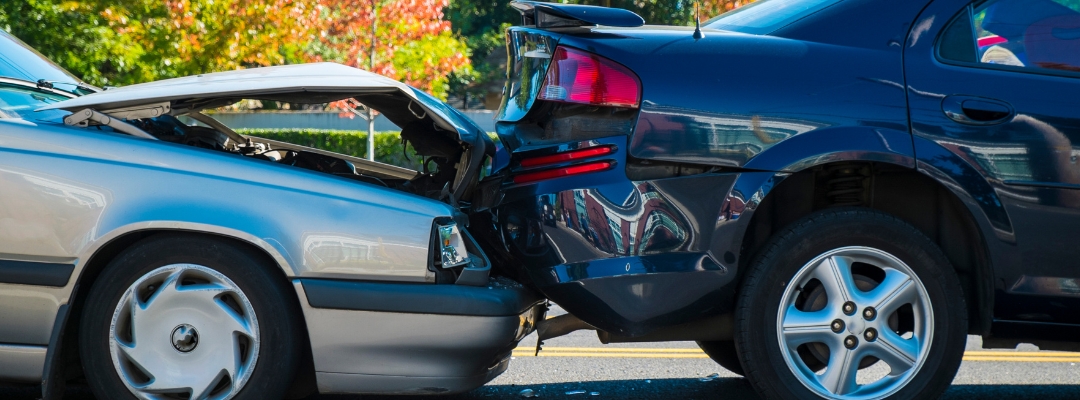
Speeding is a leading cause of deadly accidents on roads and highways across the country. Many drivers underestimate the risks of going just a little over the speed limit, but statistics tell a different story. Understanding how often speeding contributes to fatal crashes is a key step toward creating safer communities and encouraging responsible driving habits.
This article explores how speeding plays a major role in fatal accidents, presents reliable statistics, and explains how a Personal Injury Attorney can help those affected by reckless driving. We’ll also touch on related dangers, like fatal boating accidents, and how high speeds endanger lives on land and water.
The Link Between Speeding and Fatal Crashes
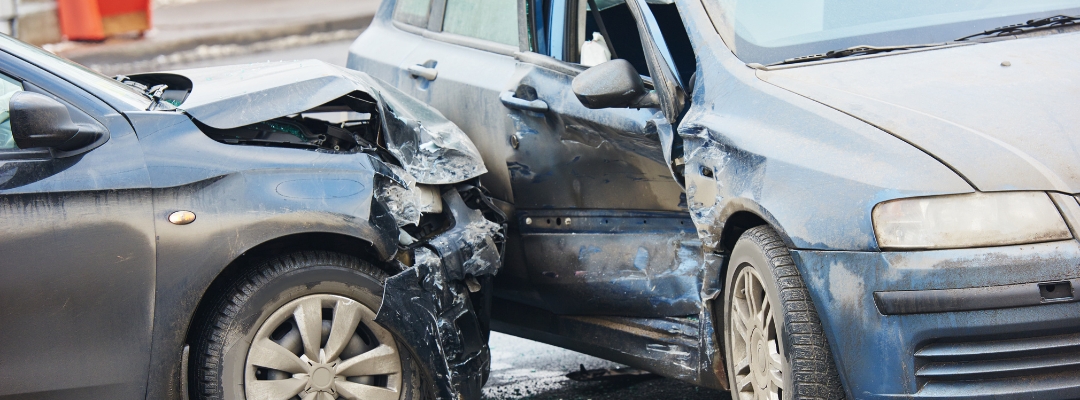
Speeding is defined as driving faster than the posted speed limit or too fast for road or weather conditions. It is one of the most common forms of reckless driving. When a driver speeds, they reduce their reaction time, increase the force of impact in a crash, and are less able to control the vehicle.
According to data from the National Highway Traffic Safety Administration (NHTSA), speeding is a factor in about 29% of all fatal car crashes in the United States. That’s nearly 1 in 3 deadly crashes. This number highlights how dangerous speeding really is and why it should never be taken lightly.
When drivers speed, they not only put themselves at risk but also their passengers, other drivers, pedestrians, and cyclists. The faster the vehicle is moving, the greater the chance of serious injuries or death.
Why Speeding Increases Fatal Crash Risks
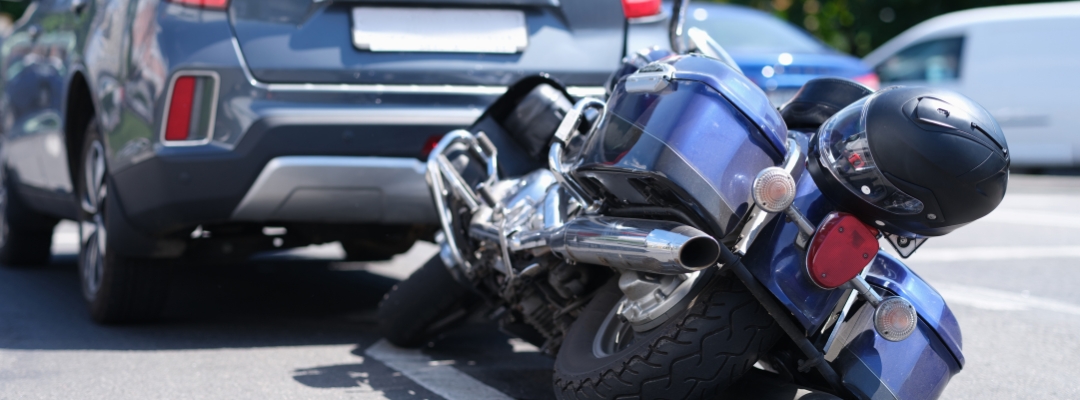
Several reasons explain why speeding leads to more deadly accidents:
- Less Reaction Time: At higher speeds, drivers have less time to respond to sudden changes like a car stopping ahead, a pedestrian crossing the street, or an obstacle in the road.
- More Impact Force: A vehicle moving at 70 mph causes much more damage than one moving at 40 mph. The increased energy during impact leads to more serious injuries.
- Harder to Control: Speeding makes it difficult to steer around curves or avoid hazards, especially in poor weather or on uneven roads.
- Reduced Effectiveness of Safety Devices: Seatbelts, airbags, and crumple zones are all designed to work best at lower speeds. At high speeds, even these safety features may not prevent serious injury.
Common Locations for Speed-Related Crashes
Speeding-related fatalities don’t just happen on highways. Many occur on local roads, rural areas, or at intersections. Some of the most common locations include:
- Urban intersections, where sudden stops and turns are frequent
- Rural highways, where drivers tend to speed due to fewer traffic signals
- Residential streets, especially when drivers ignore posted limits
Driving above the speed limit in any of these areas increases the chances of hitting another vehicle, a cyclist, or even a pedestrian.
How Speeding Compares to Other Crash Factors
While speeding is responsible for 29% of fatal crashes, it’s not the only cause. Other leading causes include:
- Impaired driving (alcohol or drugs)
- Distracted driving (texting, eating, or adjusting the radio)
- Drowsy driving (falling asleep at the wheel)
Despite the many causes of accidents, speeding stands out because it often worsens the impact of other dangerous behaviors. For example, a driver who is both speeding and distracted faces a much higher chance of causing a deadly crash.
Speeding and Young Drivers
Young drivers, especially those under 25, are more likely to speed and engage in risky behaviors behind the wheel. In fatal crashes involving speeding, a large percentage of the drivers are between the ages of 16 and 24. This age group often overestimates their driving abilities and underestimates the dangers of high-speed driving.
Parents, schools, and driving instructors can help reduce speeding-related deaths by educating young people about the dangers of speeding and encouraging safe driving habits early on.
Personal Injury Attorney: Why Legal Help Matters

After a fatal crash caused by speeding, surviving family members are often left with overwhelming emotional and financial losses. In such cases, working with an experienced Personal Injury Attorney is essential.
A Personal Injury Attorney can:
- Investigate the crash
- Gather evidence from police reports and witnesses
- Deal with insurance companies
- Help recover compensation for medical bills, funeral costs, and lost income
Having legal support can make a major difference in the outcome of a case, especially when proving that speeding was the cause of the crash. These attorneys work to hold the responsible driver accountable and ensure the victims’ families receive justice.
Fatal Boating Accidents and Speeding
Speeding doesn’t only cause deadly crashes on roads—it’s also a major cause of fatal boating accidents. Many people assume watercraft are safer because they don’t share roads with other vehicles. But in reality, boats that travel at high speeds are harder to control and often lack proper braking systems.
Just like in car accidents, speeding on a boat reduces reaction time and increases the severity of crashes. People can be thrown overboard, collide with other vessels, or hit swimmers. Alcohol is also a major factor in many fatal boating accidents, further increasing the danger.
Operators of boats and jet skis should always follow speed limits and stay alert, especially in crowded or narrow waterways. Taking a boating safety course and wearing life jackets also help reduce the risks.
Preventing Speeding-Related Deaths

Reducing the number of fatal crashes caused by speeding is a shared responsibility. Here are some simple yet effective ways to prevent these tragedies:
- Follow speed limits: They’re there for a reason. Even if the road seems empty, stick to the posted limit.
- Adjust speed for conditions: Rain, fog, or road construction all require slower driving.
- Use cruise control: On long trips, cruise control can help maintain a safe speed.
- Stay alert and focused: Avoid distractions and stay aware of your surroundings.
- Encourage others to drive safely: Talk to friends, family, and teens about the risks of speeding.
Government agencies also play a role by installing speed cameras, designing safer roads, and promoting driver education programs.
When to Seek Legal Support
If you or a loved one has been involved in a crash caused by a speeding driver, it’s important to speak with a Personal Injury Attorney as soon as possible. Time is critical in these cases. A lawyer can evaluate your situation, explain your rights, and help you pursue compensation for your losses.
This applies not only to road accidents but also to fatal boating accidents, where speeding and negligence may be to blame. An experienced attorney knows how to navigate complex claims and guide you through the legal process with care and understanding.
Conclusion
Speeding continues to be a deadly threat on roads and waterways across the country. It’s a factor in nearly one-third of fatal car crashes and contributes to countless injuries and tragic losses. Despite how common it is, many drivers still take speeding lightly.
By understanding the risks and making smart choices behind the wheel or on the water, we can reduce the number of deaths and injuries caused by high-speed crashes. And for those who suffer because of another person’s reckless actions, working with a skilled Personal Injury Attorney ensures justice and peace of mind.
Let’s all do our part to make roads and waterways safer for everyone—by slowing down and staying alert, we help save lives.