

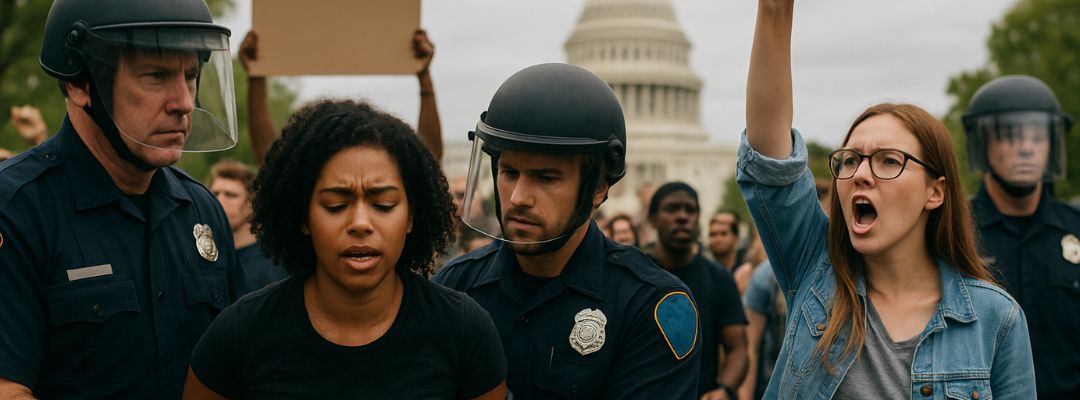
Protests are a powerful way to speak out, stand together, and push for change. In Washington, D.C., people often gather to use their voices on issues that matter. But while most protests are peaceful, arrests sometimes happen—even if you did not break the law.
If you are arrested during a protest in D.C., the experience can feel scary and overwhelming. The good news is that you are not alone. Knowing your rights and the right steps to take can protect you from bigger problems later.
At The Law Office of C. James Terry, LLC, we are committed to defending people who face charges connected to protests. In this guide, we explain—in simple terms—what to do if you are arrested during a protest in Washington, D.C.
Why People Get Arrested at Protests

Not all protest arrests happen because of serious crimes. Sometimes, people are taken into custody for minor reasons or even mistakes. Here are some common reasons why arrests occur during protests in D.C.:
- Blocking streets or sidewalks – Police may arrest people who they believe are stopping traffic or blocking others from passing.
- Failure to disperse – If police order a crowd to move and you do not, you could be arrested.
- Disorderly conduct – Shouting, arguing with officers, or being seen as disruptive can sometimes lead to charges.
- Property damage – Breaking windows, spray-painting, or damaging buildings is often charged as destruction of property.
- Curfew violations – At times, the city sets a curfew, and staying out past it can lead to arrest.
Even if you did not do anything wrong, being in the wrong place at the wrong time can still result in an arrest. That is why it is important to know how to handle the situation.
Step 1: Stay Calm and Respectful
The first and most important step when you are approached or arrested is to stay calm. Getting upset, yelling, or resisting arrest can make things worse.
- Take deep breaths.
- Keep your hands visible so officers do not think you are resisting.
- Do not run or fight back.
Remember: staying calm does not mean you agree with the arrest—it just protects you in the moment.
Step 2: Know Your Rights

You have rights under the Constitution, even if you are arrested during a protest. Here are key rights to remember:
- Right to remain silent – You do not have to answer police questions beyond giving your name and basic information.
- Right to an attorney – You can ask for a lawyer right away. Do not answer questions about the protest, your actions, or your friends until your lawyer is present.
- Right to avoid self-incrimination – You never have to explain, justify, or defend yourself on the spot.
- Right to medical help – If you are injured, you can ask for medical attention while in custody.
A helpful phrase to remember: “I am exercising my right to remain silent. I want to speak with my attorney.”
Step 3: Do Not Volunteer Extra Information
During an arrest, officers may try to get you to talk. They might say things like:
- “If you explain, we can let you go.”
- “It will look better for you if you cooperate.”
- “Just tell us who organized this protest.”
These statements are designed to make you speak. But remember—anything you say can be used against you later in court.
The safest approach is to give your name, date of birth, and address if required, and then remain silent. Save your story for your attorney.
Step 4: Ask for a Lawyer Immediately

One of the most important things you can do is ask for a lawyer right away. In Washington, D.C., you have the right to legal counsel if you are arrested. Do not wait until later—say it as soon as possible.
You can say:
“I want to speak with my attorney before answering any questions.”
At The Law Office of C. James Terry, LLC, we are ready to protect your rights, challenge unfair arrests, and guide you through the process.
Step 5: Stay Aware of the Booking Process
After being arrested, you will likely be taken to a police station or processing center. Here’s what usually happens:
- Search – Officers may search your pockets and belongings.
- Property collection – Your items, like your phone or bag, may be taken and returned later.
- Fingerprinting & photos – Your fingerprints and booking photo may be taken.
- Charges – Police will decide what charges, if any, you will face.
- Release or holding – In some cases, you may be released with a citation, while in others you may need to appear before a judge.
This process can feel stressful, but staying quiet and respectful helps protect your case.
Step 6: Contact Family or Friends
Once allowed, make a phone call to let someone know what happened. This could be a family member, a friend, or your attorney. If you know you are going to a protest, it’s smart to write down important phone numbers beforehand in case your phone is taken.
Step 7: Work with Your Attorney

After your release, your attorney becomes your strongest ally. A skilled lawyer can:
- Review the arrest for mistakes or violations of your rights.
- Challenge evidence, like video footage or police reports.
- Argue for dismissal or reduction of charges.
- Protect you in court and fight for the best possible outcome.
At The Law Office of C. James Terry, LLC, we understand how protest-related arrests happen and how to build strong defenses.
What NOT to Do if Arrested at a Protest
- Do not argue with police on the street. Save arguments for court.
- Do not resist arrest physically. Even small movements can be misread.
- Do not sign anything without your lawyer.
- Do not post details about your arrest on social media. Prosecutors can use your posts against you.
Possible Consequences of Protest Arrests

Being arrested at a protest does not always mean you will face serious penalties. In many cases, charges are dismissed, especially if you did not damage property or act violently. However, here are some possible outcomes:
- Fines – For minor charges like blocking traffic.
- Community service – Sometimes ordered in place of fines or jail.
- Probation – A period where you must stay out of trouble and follow rules.
- Jail time – Rare for peaceful protest arrests but possible in cases of property damage, assault, or resisting arrest.
A lawyer can often reduce or even eliminate these penalties.
How to Prepare Before Going to a Protest
If you plan to attend a protest in D.C., a little preparation goes a long way. Here are some smart steps:
- Bring ID – Carry a government-issued ID in case you are detained.
- Write down numbers – Have your lawyer’s number and a trusted contact written on paper.
- Limit belongings – Bring only what you need (water, mask, small bag).
- Know your rights – Review the right to remain silent and the right to an attorney.
Plan ahead – Go with friends, set a meeting point, and check for curfew or restrictions.
Why You Need a Lawyer Who Understands D.C. Protest Arrests

Not every lawyer has experience with protest-related arrests. You need someone who knows:
- How D.C. police and prosecutors handle protest cases.
- The common mistakes made during arrests.
- How to fight back against unfair charges.
- The importance of protecting your record from long-term damage.
At The Law Office of C. James Terry, LLC, we focus on protecting the rights of people like you. We believe in free speech, the right to protest, and defending those who are treated unfairly.
About The Law Office of C. James Terry, LLC
At our firm, we are dedicated to protecting the rights and liberties of every client. Based in Baltimore, Maryland, with plans to expand into Washington, D.C., we represent clients in criminal, civil, and personal injury law across Maryland, D.C., and Pennsylvania.
Led by Managing Attorney James Terry, our mission is to provide strong legal representation with care, commitment, and deep knowledge of the law.
Final Thoughts
Being arrested during a protest in Washington, D.C. can be frightening—but it does not have to ruin your future. The most important things to remember are:
- Stay calm.
- Know your rights.
- Ask for a lawyer immediately.
- Do not talk without your lawyer present.
At The Law Office of C. James Terry, LLC, we are here to stand by your side, fight for your rights, and help you move forward.
If you or a loved one has been arrested during a protest in D.C., contact us today to get the legal help you deserve.