

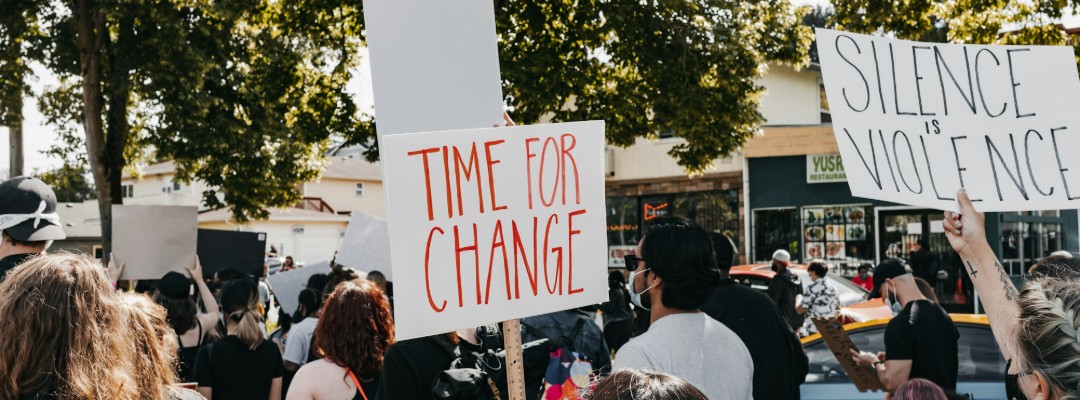
Participating in a peaceful protest is a powerful way to express your beliefs and call for change. From civil rights marches to climate change rallies, peaceful protests have shaped history. They allow everyday people to speak out against injustice and show unity with others who believe in the same cause.
But while the purpose is peaceful, protests can sometimes become unpredictable. That’s why proper preparation is so important. If you’re planning to attend a protest, knowing what to expect, how to protect yourself, and what your rights are will help you stay safe and confident throughout the event.
Understand the Cause and Know Why Protesting
Before you even step outside, it’s crucial to know why you’re going. Protesting without understanding the issue can lead to confusion and reduce the impact of your voice. Take time to research the cause. Learn the facts, understand the history behind it, and know what the goals of the protest are.
Being well-informed not only helps you stay grounded during difficult moments, but also allows you to speak clearly if anyone questions your presence. It shows that your participation is genuine and that you are standing for something meaningful.
Learn Your Local Laws and Rights

Each city, state, or country may have different rules about public gatherings, marches, and protests. Some areas require a permit to gather in large groups, while others allow free assembly in public spaces. Do a little research ahead of time to avoid any legal issues.
Know your rights: the right to free speech, the right to assemble peacefully, and your rights when interacting with police officers. It’s a good idea to carry a printed copy of your legal rights or keep them saved on your phone. This can be helpful if you’re stopped or questioned by law enforcement.
Plan Your Route and Share Your Location
Protests often involve large crowds, loud noises, and street closures. You should know exactly where the protest starts, which direction it’s going, and where it will end. Choose a transportation method wisely, walking or using public transport is often best. Avoid driving into crowded areas where streets may be blocked.
Let a trusted friend or family member know where you’ll be, and when you plan to return. If possible, go with a group. It’s always safer to protest with someone you know. Also, share your live location using your phone, so someone knows where you are at all times.
Dress for Comfort and Safety
How you dress can play a big role in how safe and comfortable you feel during a protest. Wear simple, comfortable clothing that allows you to move freely. Good walking shoes like sneakers or boots are a must because you may be standing or walking for hours. Avoid wearing expensive jewelry or anything that draws attention.
Neutral colors are often the best choice, and consider avoiding clothes that reveal your political views. This reduces the risk of being singled out. Face masks are helpful not only for health reasons but also for protecting your identity and shielding your face from dust or irritants.
Pack the Essentials Only
Bring a small, lightweight backpack or crossbody bag and pack only what’s necessary. Water is key, staying hydrated helps you keep your energy up and think clearly. Bring a snack or two, such as protein bars or fruit. Carry a first-aid kit with basic supplies like bandages and wipes. Your phone should be fully charged, and it’s smart to bring a power bank just in case.
Include a copy of your photo ID, a small amount of cash, and a written list of emergency contacts. If you wear contacts, bring glasses too in case your eyes are exposed to tear gas. Avoid bringing items that could be mistaken for weapons.
Protect Your Phone and Your Privacy
Your phone is one of your most important tools during a protest, but it also holds a lot of personal data. Use a strong password to lock your phone. Turn off face recognition or fingerprint unlock features, especially if there’s a chance you’ll be detained.
Disable location services and back up important files before the event. You can also install apps that encrypt data or allow offline communication. Keep in mind that if your phone is lost or taken, protecting your data will help keep you and others safe.
Stay Calm and Peaceful
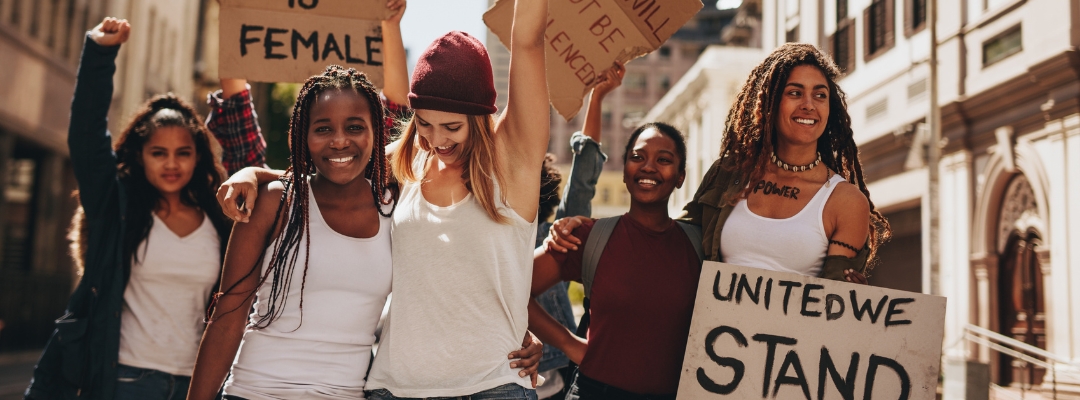
Even the calmest protests can become emotional or tense. Crowds can be unpredictable, and people around you may shout, chant, or even argue. The most important thing is to stay calm. Your job is to represent your cause peacefully. If someone provokes you, do not respond with anger. Avoid shouting, pushing, or arguing. Walk away if someone becomes aggressive.
By staying peaceful, you help keep the event focused on the message and avoid escalating the situation. Peaceful action is always more powerful than confrontation.
Know What to Do If Things Get Dangerous
Unfortunately, not every protest remains calm. In some cases, outside groups may try to stir up trouble, or law enforcement may respond harshly. If you feel unsafe, leave the area quickly and calmly. Watch for signs like the arrival of riot police, the use of tear gas, or growing crowd tension.
If you are injured during a protest, whether by law enforcement, unsafe conditions, or crowd movement, you should contact a personal injury attorney as soon as possible. These professionals can help you understand your legal rights and support you in seeking justice or compensation for your injuries.
Be Aware of Medical Needs and Emergency Help
It’s wise to know where the nearest hospitals or urgent care centers are located. If someone near you gets injured, call emergency services right away. Sometimes, you might receive treatment on the scene or at a local hospital.
But what if the care you or someone else receives is poor or causes further harm? In these cases, it’s important to reach out to a medical malpractice attorney. If a doctor or hospital fails to provide proper care, they can and should be held responsible. Knowing your legal options is just as important as staying safe during the protest itself.
Go With a Group and Look Out for Each Other
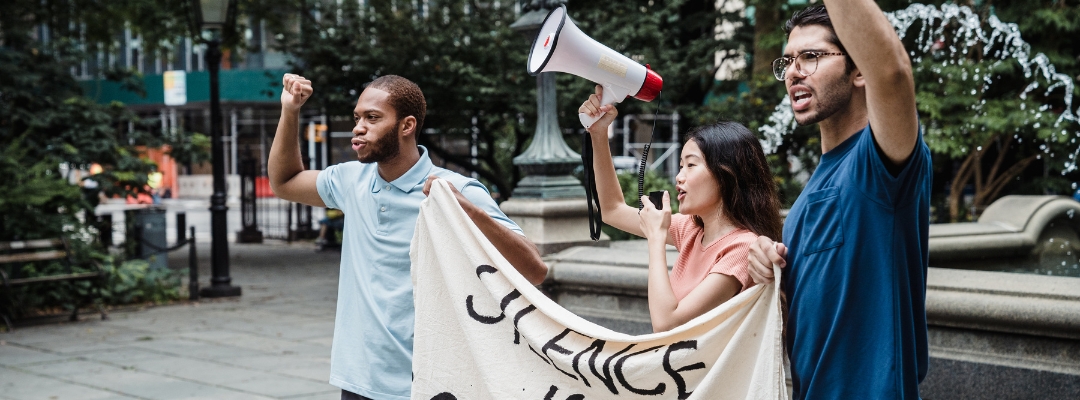
It’s always better to go to a protest with someone else. Whether it’s a friend, partner, or a small group, having people around you makes the experience safer and more organized. You can look out for each other, share supplies, and help each other stay calm.
Before going, agree on a meeting point in case you get separated. Share emergency contacts with each other and check in regularly. It’s also a good idea to carry a whistle or noise-maker to signal for help if needed.
Avoid Aggressive Behavior and Stay Focused
During protests, you may come across counter-protesters or others trying to cause conflict. It’s best not to engage with them. Don’t argue or shout back, it only makes things worse. Remember why you’re there. Focus on the message and ignore distractions.
If someone gets in your way, calmly walk around them or leave the area. Avoid filming or posting photos that include people’s faces without their permission. This helps protect the privacy and safety of everyone involved.
Know When to Leave
Sometimes, the safest decision is to leave early. If the mood of the crowd changes, or if you sense danger, don’t wait. Trust your instincts.
If police start forming lines or if things start getting chaotic, head to your planned exit. Leaving before the situation gets worse could protect you from injury or legal trouble. Always stay alert and prioritize your safety over everything else.
What to Do If You're Arrested
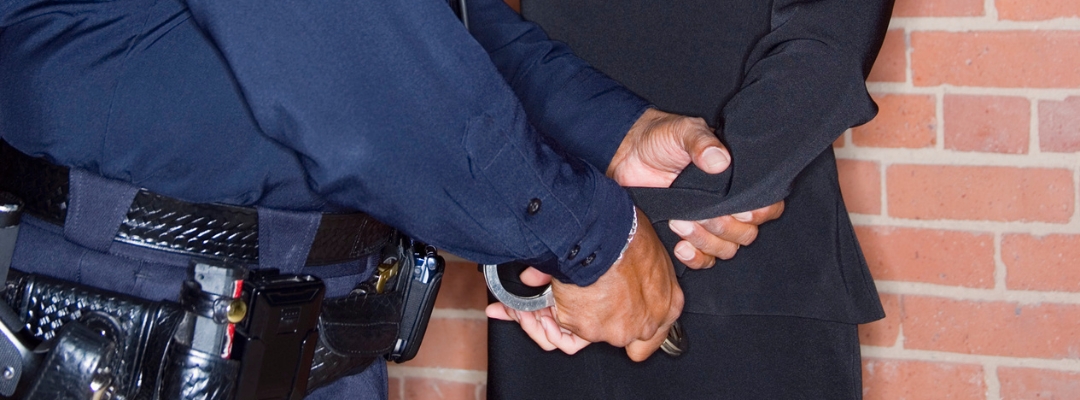
If you are arrested during a protest, do not resist. Stay calm and ask why you’re being arrested. Give your name if asked, but avoid saying more until you’ve spoken to a lawyer. You have the right to remain silent.
If possible, contact a personal injury attorney right away. Don’t sign anything or answer detailed questions without legal advice. Being prepared with legal contacts before you protest is one of the smartest steps you can take.
Take Time to Recover and Reflect
After the protest, give yourself time to rest and process what happened. Drink water, eat, and get plenty of sleep. Talk to others who attended. Share your experience online if you feel comfortable, but be careful not to share sensitive information.
If you experienced something traumatic or saw someone get hurt, don’t ignore your emotions. It’s okay to feel overwhelmed. Talk to someone you trust, or reach out to a counselor if needed.
Final Thoughts
Peaceful protests can create real change, but only when handled wisely. Being informed, organized, and calm is your best protection. Plan ahead, protect your health and privacy, and look out for your fellow protestors. And always know your rights both during the protest and after.
If you’re injured or treated unfairly, reaching out to a trusted personal injury attorney or medical malpractice attorney can make all the difference. Your voice matters, and your safety matters just as much. Prepare well, act with purpose, and let your actions speak louder than words.