

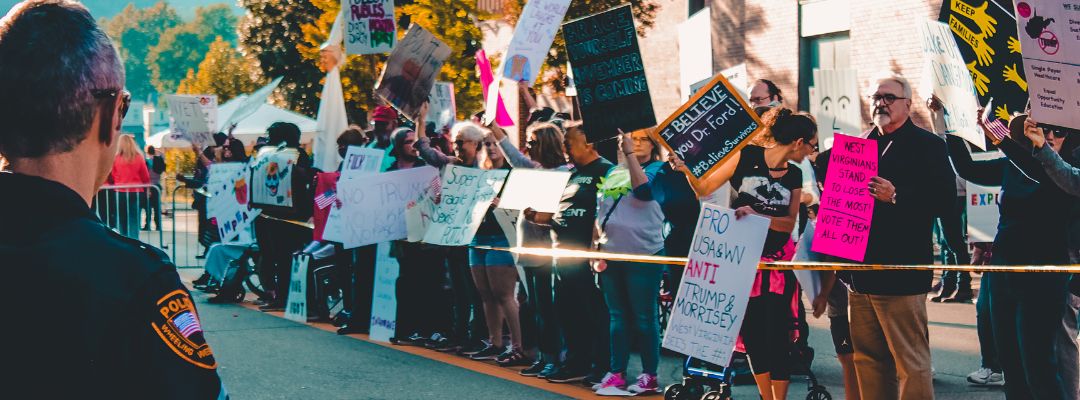
Attending a protest can be a powerful way to express your beliefs, support a cause, and bring attention to issues that matter. However, protests can sometimes be unpredictable, and knowing how to interact with law enforcement is essential to stay safe and protect your rights. At The Law Office of C. James Terry, LLC, we are committed to helping individuals in Maryland, Washington, D.C., and Pennsylvania understand their legal rights during peaceful protests.
In this guide, we provide practical tips and strategies for staying safe while participating in protests, avoiding legal trouble, and knowing what to do if you are approached or detained by police.
Understanding Your Rights During Peaceful Protests

When participating in peaceful protests, it’s crucial to understand your legal rights. The U.S. Constitution protects the right to assemble and express your opinions. These rights include:
- Freedom of Speech – You can express your views, carry signs, chant, or make statements without fear of retaliation.
- Right to Assemble – Peaceful gatherings are protected, even if your message is unpopular.
- Right to Record – You can legally record public events, including police actions, as long as you don’t interfere with their duties.
- Right to Remain Silent – If questioned by police, you have the right to remain silent and request a lawyer.
Understanding these rights helps you act confidently and legally during peaceful protests. Remember, these protections apply as long as the protest remains nonviolent and does not block emergency routes or commit property damage.
Before the Protest: Planning and Preparation
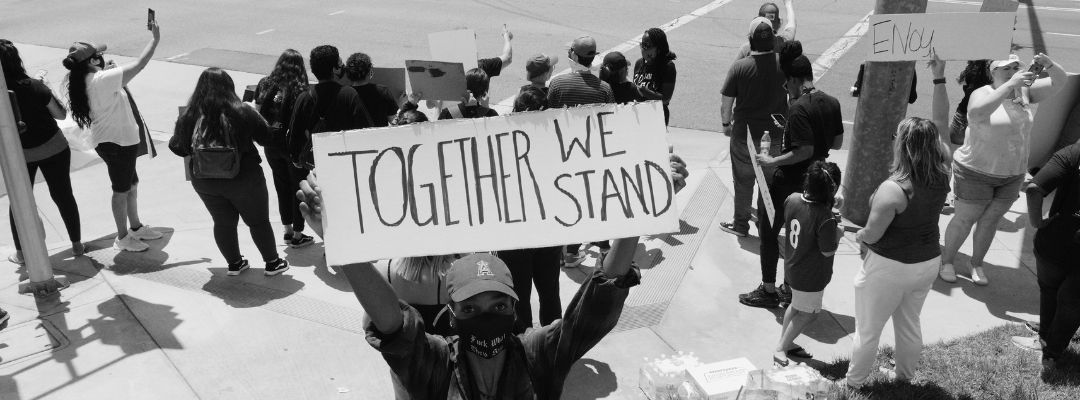
Proper planning is essential to stay safe, protect your rights, and ensure a positive protest experience. Taking a few simple steps before attending a protest can make a significant difference in how smoothly your day goes. Here are some key tips for preparing before heading to a protest in Washington, D.C., or anywhere in the region:
Research the Event
Before you attend, take time to learn about the protest. Understand the location, route, and the organizers behind the event. Check whether the protest has official permits or if there are any city restrictions in place. Being informed helps you avoid unexpected legal issues or disruptions.
Dress Appropriately
Wear clothing that is comfortable for walking or standing for long periods. Choose shoes suitable for uneven terrain or crowded spaces. Avoid carrying items that could be mistaken for weapons, and consider weather-appropriate attire to stay safe and comfortable throughout the event.
Bring Essentials
Bring basic necessities to help you manage the day. Pack water to stay hydrated, snacks for energy, and any medications you may need. Ensure your phone is fully charged and has important contacts saved, including friends, family, or legal support, in case you need assistance.
Know Emergency Contacts
Prepare for emergencies by having important phone numbers on hand. Save the contact information for a lawyer or legal hotline, and make sure someone you trust knows your plans, including where you are going and when you expect to return. This can be critical if you encounter legal or safety issues.
Plan for Transportation
Think ahead about how you will get to and from the protest safely. Check for public transportation options, parking, or ride-sharing services. Be aware of alternate routes in case of road closures, police blockades, or unexpected crowd movement to ensure you can leave safely at any time.
During the Protest: Staying Safe
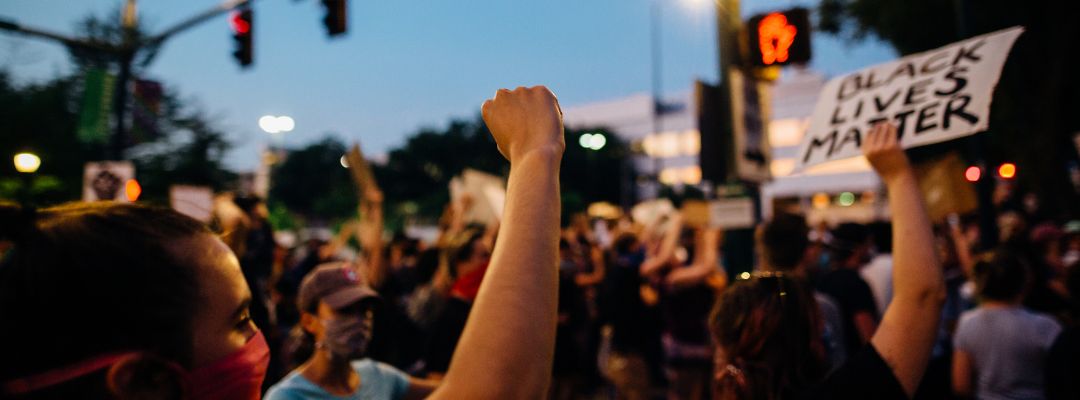
Once you arrive at the protest, the focus should be on staying safe while expressing your views. Here are practical tips for interacting with law enforcement and other participants:
Stay Calm and Respectful
Even if tensions rise, remain calm. Avoid arguing with police officers or engaging with aggressive protesters. Keeping a respectful tone can prevent misunderstandings and reduce the risk of arrest.
Know Your Rights
- You do not have to answer questions beyond providing your name if requested.
- You have the right to leave at any time unless you are being lawfully detained or arrested.
- Peaceful protests do not give police automatic authority to search your belongings without consent or a warrant.
Document the Event
Recording police actions can provide protection if any legal issues arise. Use your phone or a camera to:
- Capture incidents of police misconduct.
- Document the route and crowd behavior.
- Avoid interfering with officers while recording.
Avoid Illegal Actions
Even during peaceful protests, certain actions can lead to arrest:
- Blocking traffic without a permit.
- Vandalizing property.
- Engaging in physical altercations.
By avoiding these behaviors, you reduce the risk of legal trouble while staying committed to peaceful advocacy.
If You Are Approached or Detained by Police
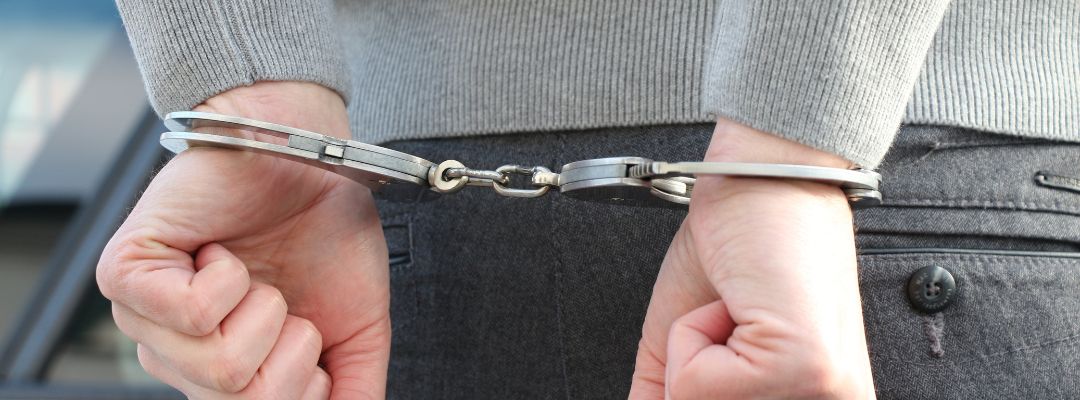
Even in peaceful protests, interactions with police may occur. Knowing what to do in these situations is critical.
Stay Calm and Composed
- Take deep breaths and remain polite.
- Avoid sudden movements that could be misinterpreted as a threat
Ask if You Are Free to Leave
If approached by an officer, calmly ask if you are being detained. If the answer is no, you may leave. If yes, remain silent beyond providing basic identification.
Exercise Your Right to Remain Silent
- Politely say, “I am choosing to remain silent and would like to speak with a lawyer.”
- Do not answer questions about your activities or the protest beyond basic identification.
Do Not Resist Arrest
Even if you believe the arrest is unfair, resisting can lead to additional charges. Comply peacefully and document as much as possible.
Request Legal Representation
If arrested, you have the right to a lawyer. Contact The Law Office of C. James Terry, LLC or a trusted legal representative immediately. Our team is experienced in handling cases arising from peaceful protests in D.C., Maryland, and Pennsylvania.
Protecting Your Rights After the Protest

After the event, there are several steps you can take to protect yourself legally:
Document Everything
- Write down details about the protest, including time, location, and interactions with police.
- Save any recordings, photos, or social media posts related to the event.
Reach Out for Legal Advice
If you were detained, arrested, or witnessed rights violations, contact an experienced attorney. At The Law Office of C. James Terry, LLC, we guide activists through the legal process and protect your rights.
Support Your Community
- Share knowledge with fellow activists about safe protest practices.
- Encourage reporting of police misconduct to oversight bodies.
Common Mistakes to Avoid During Peaceful Protests
Even well-intentioned activists can make errors that jeopardize their safety or legal standing. Avoid these common mistakes:
- Failing to Research Laws – Each city may have specific regulations about protests. Know them beforehand.
- Engaging in Violence – Physical confrontations can lead to arrest or injury.
- Ignoring Police Instructions – Even if you believe they are wrong, follow lawful orders to avoid escalation.
- Posting Sensitive Information Publicly – Social media posts can be used as evidence against participants.
Legal Support for Peaceful Protesters

At The Law Office of C. James Terry, LLC, we are dedicated to protecting the rights of all individuals participating in peaceful protests. Our legal services include:
- Representing individuals wrongfully arrested or detained during protests.
- Advising activists on legal strategies to stay safe and assert their rights.
- Handling civil rights claims for victims of police misconduct.
Led by Managing Attorney James Terry, our team has extensive experience in criminal, civil, and personal injury law across Maryland, Washington, D.C., and Pennsylvania. We are committed to providing strong, knowledgeable advocacy for every client.
Key Takeaways for DC Activists
- Know Your Rights – Freedom of speech and assembly are protected under the Constitution.
- Plan Ahead – Research the protest, bring essentials, and share your plans with trusted contacts.
- Stay Calm – Respectful behavior reduces the risk of arrest and escalation.
- Document Actions – Recording interactions can protect you legally.
- Seek Legal Help – If detained, arrested, or mistreated, contact an experienced attorney immediately.
By following these tips, you can participate in peaceful protests safely, assert your rights, and advocate effectively for the causes you care about.
Contact The Law Office of C. James Terry, LLC
If you have questions about your rights during protests or need legal support after an interaction with law enforcement, The Law Office of C. James Terry, LLC is here to help.
- Website: https://terryatlaw.com
- Locations: Baltimore, MD, with services expanding to Washington, D.C. and Pennsylvania
- Practice Areas: Criminal law, civil rights, personal injury
Our mission is to provide knowledgeable, compassionate legal representation for all clients, including activists engaged in peaceful protests.