


What’s the Difference Between a Felony and a Misdemeanor in Maryland?
When someone is charged with a crime in Maryland, one of the most crucial distinctions to understand is whether the offense is classified as a felony or a misdemeanor. This classification isn’t just a legal technicality—it has a profound effect on how the case is handled, the potential penalties, and the long-term consequences of a conviction. Many people mistakenly believe that misdemeanors are “minor” or “harmless,” and that felonies are only for the most violent offenders. However, the reality is far more complex. In Maryland, even certain misdemeanors can carry harsh penalties, including long jail sentences and hefty fines. Conversely, some felonies may be eligible for alternative sentencing or probation depending on the circumstances.
Understanding these differences is key for anyone who has been arrested, is under investigation, or wants to comprehend the criminal justice system better. This blog explores what separates felonies from misdemeanors in Maryland and why that difference matters.
Understanding Maryland’s Legal Classification of Crimes

In Maryland, criminal offenses are primarily divided into felonies and misdemeanors. Unlike some other states that set clear-cut lines based solely on punishment severity, Maryland law considers several factors, including the nature of the crime, legislative intent, and statutory language.
Felonies
A felony in Maryland is generally considered a more serious crime. Felonies are offenses that carry harsher penalties, including longer prison sentences and larger fines. These crimes often involve serious harm to others, significant property damage, or a threat to public safety.
Misdemeanors
A misdemeanor is considered a less serious crime under Maryland law. These offenses may still result in jail time, fines, or probation, but the sentences are typically shorter and less severe than those for felonies.
However, it’s important to note that the classification of a crime as a misdemeanor doesn’t always mean the punishment will be light. Some misdemeanors carry up to 10 years in prison, depending on the crime.
Key Differences Between Felonies and Misdemeanors

Let’s explore the major differences between these two types of criminal offenses in Maryland:
1. Severity of the Crime
- Felonies: Felonies represent the most serious category of criminal offenses in Maryland. These typically include violent crimes, major thefts, drug trafficking, homicide, rape, kidnapping, and armed robbery. The consequences of felony convictions can be life-altering, not just because of longer prison sentences, but also due to their impact on civil rights, employment, housing, and even immigration status. Felonies are generally considered crimes against society due to their grave nature.
- Misdemeanors: Misdemeanors are less serious but still criminal offenses. Examples include petty theft, simple assault, disorderly conduct, trespassing, and first-time DUI offenses. While misdemeanors are punishable by jail time and fines, the overall severity is much lower compared to felonies. However, even a misdemeanor can have lasting consequences, such as a criminal record, which can affect future opportunities.
2. Length of Incarceration
- Felonies: In Maryland, felonies typically carry a sentence of more than one year in state prison. Depending on the crime, some felony convictions may even result in decades of imprisonment or life without parole. For example, first-degree murder can result in life imprisonment or even the death penalty (in cases before the death penalty was repealed in Maryland). The length of time reflects the seriousness and impact of the crime on victims and society.
- Misdemeanors: Misdemeanor convictions usually result in a jail sentence of up to one year and are served in county jails rather than state prisons. Some misdemeanor charges may only require fines or probation without jail time. For example, a second-degree assault may lead to a maximum sentence of 10 years, but it is still considered a misdemeanor due to legal classification under Maryland law.
3. Court Process and Legal Complexity
- Felonies: Felony cases in Maryland often follow a more complex and formal legal process. They may involve grand jury indictments, preliminary hearings, pretrial motions, and lengthy trials. Due to the serious nature of the charges, defendants typically face multiple court dates, and legal proceedings can span several months or even years. Defendants are usually advised to retain experienced criminal defense attorneys to navigate the complexities of felony trials.
- Misdemeanors: Misdemeanor cases are generally handled in District Court and do not require a grand jury indictment. The legal process tends to be quicker and more straightforward. Many misdemeanor cases are resolved through plea bargains, which allow the defendant to plead guilty in exchange for a reduced sentence or charge. However, even for a misdemeanor, legal representation is important for minimizing penalties and ensuring rights are protected.
4. Impact on Civil Rights
- Felonies: One of the most significant long-term consequences of a felony conviction in Maryland is the loss of civil rights, such as the right to vote (while incarcerated), own or possess firearms, and hold public office. Additionally, convicted felons may be ineligible for certain professional licenses and may face challenges in employment, education, and housing. While some rights may be restored after completing the sentence and applying for reinstatement, the process can be lengthy and uncertain.
- Misdemeanors: Misdemeanors typically do not result in the loss of civil rights, although there may still be some collateral consequences. For instance, a domestic violence misdemeanor could result in firearm restrictions under federal law. Additionally, certain professional licensing boards may consider misdemeanor convictions when reviewing applications. Still, the overall impact is usually less severe than for felonies.
5. Expungement and Criminal Records
- Felonies: In Maryland, felony convictions are more difficult to expunge from a criminal record. In many cases, felony convictions remain on an individual’s record permanently unless the conviction is overturned or a pardon is granted. This can create barriers to employment, housing, and education. There are limited circumstances under which certain non-violent felonies may become eligible for expungement, but this usually requires a waiting period and adherence to strict legal requirements.
- Misdemeanors: Some misdemeanor convictions are eligible for expungement after a certain period, especially if the individual has completed their sentence and maintained a clean record. For example, certain misdemeanor theft or possession charges may be expunged after 10 years. Expungement can help individuals remove past mistakes from public view, allowing for better access to opportunities. However, some misdemeanor convictions, like DUI, are not eligible for expungement in Maryland.
Comparison Table: Key Differences Between Felonies and Misdemeanors in Maryland
| Category | Felonies | Misdemeanors |
|---|---|---|
| Severity | Most serious crimes like murder, rape, armed robbery | Less serious offenses like petty theft, first-time DUI |
| Incarceration Time | More than 1 year, typically in state prison | Up to 1 year, typically in county jail |
| Court Process | Complex; may involve grand jury, preliminary hearings | Simpler; handled in District Court, usually quicker |
| Civil Rights Impact | May lose right to vote (while incarcerated), own firearms | Usually retains civil rights; some exceptions (e.g., DV cases) |
| Expungement | Rare and difficult; some exceptions for non-violent offenses | Often eligible after waiting period, depending on the offense |
Examples of Felony Crimes in Maryland

Felony crimes in Maryland are considered the most serious violations of the law and often involve significant harm to individuals, property, or society. These crimes typically result in longer prison sentences, hefty fines, and long-term consequences that extend beyond the courtroom. Below are some of the most common felony offenses in Maryland, along with brief explanations:
- First-Degree Murder: This is the most severe criminal offense in Maryland. It involves a premeditated, intentional killing or a killing committed during the commission of certain felonies like robbery or rape. The penalty can include life imprisonment, with or without the possibility of parole.
- Second-Degree Murder: This involves a killing that is intentional but not premeditated, or a wrongful death caused by a reckless disregard for human life. While not as severe as first-degree murder, it still carries serious penalties, including long-term incarceration.
- Rape or Sexual Assault: These are serious offenses involving non-consensual sexual acts. First-degree rape may include aggravating factors such as the use of a weapon or causing serious injury, and it can result in life imprisonment. Second-degree rape, while slightly less severe, still carries significant penalties. If you’re facing such charges, consulting a sex crimes lawyer in Maryland can provide invaluable support. With expert legal representation, you can navigate the legal system more effectively and work toward the best possible outcome.
- Drug Distribution or Trafficking: The manufacture, sale, or distribution of controlled substances such as heroin, cocaine, or large amounts of marijuana is a felony. These crimes can carry mandatory minimum prison terms, especially for repeat offenders or those involved in organized drug operations.
- Armed Theft: Theft involving the use of a weapon (real or implied) is classified as a felony. The presence of a weapon greatly increases the severity of the crime and the length of the sentence, often including mandatory minimum terms. If you’re facing such serious charges, consulting a skilled Maryland theft lawyer can make all the difference.
- Burglary in the First Degree: This occurs when an individual unlawfully enters a dwelling with the intent to commit a crime, typically theft or another felony. If weapons are involved or the crime is committed at night, the penalties increase significantly.
- Aggravated Assault: This is a violent offense where serious bodily injury is inflicted on another person, often with a deadly weapon or under particularly dangerous circumstances. It carries more severe penalties than simple assault.
- Human Trafficking: This includes exploiting individuals through force, fraud, or coercion for labor or sex. Maryland treats this as a grave offense, with long prison sentences and heavy fines upon conviction.
Penalties for Felonies:
Felony convictions in Maryland can lead to significant consequences, including long-term or life imprisonment, substantial fines, loss of civil rights, and limited eligibility for parole. Many felony offenses also come with mandatory minimum sentencing laws, leaving judges with limited discretion.
Examples of Misdemeanor Crimes in Maryland

While misdemeanors are considered less serious than felonies, they still represent criminal behavior and carry consequences that can affect a person’s record and future. Misdemeanor offenses in Maryland can include minor acts of violence, low-value theft, or behavior that disturbs public peace. Here are several examples:
- Driving Under the Influence (DUI): Operating a motor vehicle with a blood alcohol concentration (BAC) of 0.08% or higher. Even a first offense can result in jail time, fines, license suspension, and mandatory alcohol education programs. A skilled DUI lawyer can help you navigate these serious legal consequences and work to protect your rights and driving privileges.
- Driving While Impaired (DWI): Similar to DUI, but typically involves a lower BAC or evidence of impairment. Still considered a misdemeanor, with penalties including fines, possible jail time, and administrative consequences on the driver’s license.
- Simple Assault: Simple Assault in Maryland includes the act of intentionally causing or attempting to cause physical harm to another person without a weapon or serious injury. Though less serious than aggravated assault, it can still result in jail time of up to 10 years.
- Petty Theft or Shoplifting (Under $1,500): Stealing items valued under $1,500 is a misdemeanor in Maryland. However, if the offender has prior convictions, the penalties can become more severe. Repeat offenses may result in felony charges.
- Disorderly Conduct: This involves disturbing the peace through loud, aggressive, or unruly behavior in public. While typically penalized by fines or brief jail terms, it can affect one’s criminal record and employment opportunities.
- Vandalism: The intentional destruction or defacing of property, such as graffiti or breaking windows, is treated as a misdemeanor, especially if the damage value is low. More extensive or repeated vandalism can result in harsher penalties.
- Indecent Exposure: Willfully exposing oneself in public, typically for lewd or offensive purposes, is considered a misdemeanor. This offense can lead to fines, jail time, and even sex offender registration in some cases.
- Possession of a Small Amount of Marijuana: Possession of less than 10 grams of marijuana is now decriminalized in Maryland and treated as a civil offense. However, possessing more than that but less than the amount considered for distribution is classified as a misdemeanor, subject to fines and possible jail time.
Penalties for Misdemeanors:
Although generally less severe than felonies, misdemeanor convictions in Maryland can still carry jail terms of up to 10 years, depending on the offense. Additionally, fines, probation, community service, and mandatory programs (e.g., drug education or anger management) may be imposed. Some misdemeanor convictions can also have immigration consequences or impact professional licenses and job prospects.
Importance of Legal Representation
Whether you’re facing a misdemeanor or a felony in Maryland, having an experienced criminal defense attorney is critical. An attorney can:
- Explain your rights and options
- Guide you through the court process
- Work to negotiate plea deals or reduced charges
- Advocate for diversion programs or probation
- Help with post-conviction relief or expungement
Final Thoughts
Understanding the difference between a felony and a misdemeanor in Maryland is essential, as the classification greatly affects the legal process, penalties, and long-term consequences. While felonies are more severe and carry harsher punishments, misdemeanors can also have serious impacts on one’s future. Knowing these distinctions can help individuals make informed decisions and seek proper legal guidance when facing criminal charges.
If you’re facing criminal charges—whether it’s a misdemeanor or a felony—having the right legal team by your side can make all the difference. The Best Lawyers in Maryland are here to provide experienced, aggressive, and compassionate representation tailored to your unique case. With a deep understanding of Maryland’s legal system and a track record of successful outcomes, our attorneys are committed to protecting your rights and guiding you through every step of the legal process.

Up in Smoke: The Underlying Attack on the Second Amendment
The End of the I-71 Era and the Rise of Regulation
Washington, D.C.’s cannabis market is at a major crossroads. For years, Initiative 71 (I-71) allowed the “gifting” of marijuana, where customers technically purchased unrelated items like t-shirts or snacks and received cannabis as a “gift.” This loophole birthed a booming gray market, largely unregulated but culturally embraced. That era is now closing.
Under the Medical Cannabis Amendment Act of 2022, D.C. is ushering in a new system: a fully regulated medical cannabis market. Former I-71 shops are being pushed to apply for medical licenses, and D.C. residents 21 and older can now self-certify their medical need for cannabis, meaning no doctor’s note is required to obtain a medical cannabis card. However, access to dispensaries now officially requires that card, placing users squarely within the “medical” classification under the law.
The Cannabis-Firearm Dilemma
But what does that mean if you own—or want to own—a firearm?
Here’s where things get sticky. Although cannabis is legal under D.C. law, federal law still classifies marijuana as a Schedule I controlled substance. According to the Bureau of Alcohol, Tobacco, Firearms and Explosives (ATF), anyone who uses marijuana—medical or otherwise—is considered an “unlawful user” of a controlled substance. This classification directly affects your ability to legally purchase or possess a firearm.
When you go to buy a gun from a federally licensed dealer, you must fill out Form 4473. Question 21(e) specifically asks if you are an unlawful user of marijuana or any controlled substance. If you answer “yes,” your purchase will be denied. If you answer “no” while holding a medical cannabis card or having evidence of use, you risk federal criminal charges for lying on a government form.
Your Second Amendment Rights—In Jeopardy?
This creates a constitutional dilemma. Residents are being forced to choose between their right to bear arms and their right to access legal cannabis under D.C. law. It’s a no-win situation built on a clash between state and federal law, with ordinary citizens caught in the crosshairs.
Even though D.C. has legitimized and regulated the cannabis market, there has been no movement at the federal level to reconcile this change with gun rights. So long as cannabis remains federally illegal, firearm ownership and marijuana use, no matter how legal at the local level, are incompatible.
Looking Ahead
The District’s push to clean up and legitimize its cannabis economy is a step forward in some respects, but it’s also exposed how outdated federal law is when it comes to marijuana. The Second Amendment implications of these policies are real and potentially devastating for law-abiding citizens who find themselves unintentionally criminalized.
Until Congress takes meaningful action to align federal policy with evolving state and local norms, firearm owners in D.C. and beyond must tread carefully. If you’re thinking about getting a medical marijuana card—or already have one—it may be time to talk to a lawyer about how it could impact your rights.

How Much Is My Personal Injury Case Worth?
If you’ve suffered an injury due to someone else’s carelessness, you may be wondering, how much is my personal injury case worth? This question is one of the most common among injury victims, and understandably so. Medical bills, lost wages, emotional trauma, and physical pain can quickly accumulate, leaving you searching for answers and support. The truth is, no two cases are the same.
The value of your case depends on various elements, including the severity of your injuries, the circumstances surrounding the accident, your recovery time, and the legal expertise behind your claim. That’s why having a skilled Maryland personal injury attorney by your side is crucial. They can analyze every facet of your situation, calculate your potential compensation, and advocate for your best interests. This guide will walk you through everything you need to know about valuing your personal injury case.
Understanding Personal Injury Compensation

Personal injury compensation is designed to make you “whole” again after an accident. This means providing financial relief for all the ways the injury has negatively affected your life. The compensation you receive isn’t just about reimbursing your current expenses; it’s about ensuring your future well-being as well. These claims typically cover two major categories: economic damages and non-economic damages. Economic damages are tangible losses, such as medical bills and lost income, while non-economic damages refer to pain, suffering, and emotional distress. In some cases, punitive damages may be awarded to punish the at-fault party for egregious conduct. A knowledgeable personal injury attorney will carefully assess both types of damages to ensure that no aspect of your suffering is overlooked. This holistic approach can be the difference between a minimal payout and a full, fair settlement.
Key Factors That Affect Your Personal Injury Case Value
Before you can estimate the value of your personal injury case, it’s important to understand the elements that play a major role in determining compensation. Several key factors influence how much you can recover. From the nature of your injuries to who was at fault and the level of insurance coverage available, every detail counts. Let’s explore each factor that could impact your case value.
1. Severity of Injuries
The more severe and long-lasting your injuries are, the higher your potential compensation. Minor cuts and bruises may warrant a small settlement, while catastrophic injuries such as spinal damage or brain trauma can justify substantial compensation due to lifelong consequences, treatment costs, and lost quality of life.
2. Medical Expenses
All medical costs related to your injury will factor into your settlement, including ER visits, surgeries, rehabilitation, medications, and future treatment needs. Keeping accurate records and obtaining medical expert opinions can help your attorney secure a thorough and fair calculation of these expenses.
3. Lost Wages and Earning Potential
If your injuries prevent you from working now or in the future, you may be entitled to compensation for lost income and diminished earning capacity. Your lawyer will assess your work history, job role, and future employability to determine a fair amount for this loss.
4. Pain and Suffering
This includes the physical and emotional toll your injury has taken. Chronic pain, emotional distress, anxiety, depression, and lifestyle limitations all fall into this category. Though hard to measure, these damages are significant and often make up a large part of your claim.
5. Liability and Fault
Maryland follows the contributory negligence rule, meaning if you share even 1% of the blame for your injury, you may not be eligible for compensation. Proving the other party’s total fault is critical to your case’s success and potential value.
6. Insurance Policy Limits
Even with substantial damages, the responsible party’s insurance coverage may cap how much you can recover. In such cases, your attorney may explore additional coverage options or pursue other liable parties to increase your compensation.
Common Types of Compensation in Personal Injury Cases
Compensation in personal injury claims typically falls into several key categories, each designed to address a different aspect of the losses you’ve suffered. Understanding these can give you a clearer picture of what you may be entitled to recover. A skilled personal injury lawyer near me can evaluate your case thoroughly and work to ensure all potential damages are pursued to the fullest extent.
- Medical Expenses: This includes the full range of costs associated with your medical treatment, both immediate and ongoing. It can cover emergency transportation (like ambulance or airlift services), hospitalization, surgeries, doctor visits, diagnostic tests, physical therapy, prescription medications, and long-term care if necessary. Future medical costs related to ongoing treatment or rehabilitation may also be included.
- Lost Wages: If your injury forced you to miss work, you may be entitled to recover the income you lost during that period. This not only covers your base salary or hourly wage but can also include lost bonuses, tips, commissions, or other forms of income you would have earned had you not been injured.
- Loss of Earning Capacity: Sometimes, injuries can cause long-term or permanent limitations that affect your ability to work in the future. Compensation for loss of earning capacity is intended to make up for this anticipated reduction in income based on your occupation, skillset, and projected career trajectory before the injury.
- Pain and Suffering: This category addresses the non-economic impact of your injury. It includes compensation for physical pain, discomfort, and the diminished quality of life you may experience during your recovery or for years afterward. The value of pain and suffering varies greatly depending on the severity and permanence of your injuries.
- Emotional Distress: Personal injuries often take a toll on mental and emotional well-being. Compensation for emotional distress may cover symptoms such as anxiety, depression, insomnia, post-traumatic stress disorder (PTSD), or other psychological effects stemming from the incident.
- Loss of Consortium: When an injury severely impacts your relationship with a spouse or partner—whether through loss of companionship, intimacy, or support—you may be eligible for damages under this category. These claims are typically brought by the uninjured spouse.
- Punitive Damages: Unlike compensatory damages, punitive damages are not meant to make the victim whole but to punish the wrongdoer and deter similar misconduct in the future. They are only awarded in cases where the defendant’s actions were especially reckless, malicious, or intentionally harmful.
How a Maryland Personal Injury Attorney Can Help Maximize Your Claim

Having the right legal representation can make a significant difference in the outcome of your personal injury claim. An experienced Maryland personal injury attorney brings not only legal knowledge but also strategic insight and resources that can enhance the value of your case. Here’s how they can help:
- Conducting a Thorough Investigation: Your attorney will leave no stone unturned when building your case. This includes obtaining and analyzing police reports, gathering surveillance footage, securing photographs of the accident scene, and interviewing witnesses to establish a clear and compelling narrative of what happened.
- Collecting Medical Evidence: To support the extent of your injuries, your brain injury lawyer will work closely with doctors, specialists, and other healthcare providers. This includes gathering medical records, treatment plans, and expert opinions that demonstrate the severity of your condition and the potential for long-term or permanent effects.
- Handling Insurance Companies: Insurance companies are focused on protecting their bottom line—and that often means offering low settlements. Your attorney knows the tactics insurers use and will push back firmly, negotiating for a payout that truly reflects your damages, including medical bills, lost wages, and pain and suffering.
- Presenting a Strong Legal Argument: If a fair settlement can’t be reached, your lawyer will be prepared to take your case to court. With experience in litigation and knowledge of Maryland’s personal injury laws, your attorney will present a strong argument backed by evidence, expert testimony, and persuasive legal reasoning.
- Offering a Free Consultation: Many Maryland personal injury lawyers are ready to evaluate your case at no cost. This gives you an opportunity to understand your legal options and make an informed decision without any upfront financial commitment.
Why You Need a Personal Injury Lawyer in Baltimore

Baltimore presents unique challenges when it comes to personal injury cases. Urban traffic, high accident rates, and busy court schedules can complicate your claim. A personal injury lawyer in Baltimore knows the local laws, judges, and insurance company tactics, which gives you a strategic advantage.
Moreover, choosing a personal injury attorney near me means having someone who understands the nuances of Maryland law and can meet with you personally to discuss updates, paperwork, or strategy.
What to Expect During Your Free Consultation
Scheduling a free consultation with a Maryland personal injury attorney is a crucial first step in the legal process. During this initial meeting, your lawyer will listen to your account of the accident, review any documentation you’ve provided, and ask clarifying questions to understand the scope of your injuries. They’ll evaluate the potential liability of the other party and begin estimating the types of damages you may be entitled to recover.
You should bring any relevant materials, such as medical records, insurance correspondence, and accident reports. Your attorney will also explain their legal strategy, how contingency fees work (you only pay if you win), and what to expect moving forward. The consultation is your chance to assess the attorney’s communication style, experience, and confidence level in handling your case. Most importantly, it’s your opportunity to ask questions and gain peace of mind that you’re in capable hands.
Conclusion
There is no one-size-fits-all answer to the question, “How much is my personal injury case worth?” The value depends on your injuries, financial losses, and legal representation. By working with a dedicated Maryland personal injury attorney, you can ensure your rights are protected and every potential damage is considered.
Whether you’re searching for a personal injury lawyer in Baltimore, looking for the best lawyers in Maryland, or just typing “personal injury attorney near me” into Google, the most important step is reaching out. With the support of experienced lawyers in Maryland with free consultation, you can take the first step toward securing the compensation you need to move forward with your life.

What to Do After a Car Accident in Maryland: A Step-by-Step Guide
A car accident can be a stressful and confusing experience. Whether it’s a small collision or a serious crash, knowing the right steps to take can help keep you safe and protect your rights. Many people make mistakes after an accident, which can make it harder to get compensation later. If you are in a car accident in Maryland, staying calm and acting wisely is important. Taking the right steps can help you deal with insurance claims, medical bills, and legal issues.
This guide will take you through each step, from staying safe at the accident scene to getting legal advice from a car accident lawyer in Maryland. By following these steps, you can deal with insurance companies, manage medical costs, and protect your rights. Knowing what to do will help you get the support and compensation you deserve. Here is a simple guide to follow after an accident
Step 1: Ensure Safety and Seek Medical Attention

The first thing you should do after a car accident is to check yourself and others for injuries. If anyone is hurt, call 911 right away. Even if injuries seem minor, seeking medical help is essential because some conditions, such as whiplash, concussions, or internal bleeding, may not show symptoms immediately but can worsen over time. If your vehicle is in a dangerous position, move it to the side of the road if it is safe to do so. Turn on your hazard lights to alert other drivers and prevent further accidents.
Seeking medical attention is not only vital for your health but also strengthens your car accident compensation claim. Insurance companies require medical records as proof that your injuries were directly caused by the accident. Failing to seek timely treatment could weaken your claim and reduce the compensation you receive.
Step 2: Contact Law Enforcement

Calling the police after a car accident is essential, even if the damage appears minor. The police will document the scene, take statements from everyone involved, and create an official accident report. This report serves as valuable evidence when dealing with insurance companies and can strengthen your case if legal action is necessary. When speaking with officers, provide accurate and factual information but avoid admitting fault. The police will assess the accident scene, review any physical evidence, and determine responsibility based on their findings.
Their report may include marks, vehicle damage, witness statements, and road conditions, all of which can be helpful in proving what happened. A car accident lawyer in Maryland can use the police report to build a strong case, negotiate with insurance companies, or represent you in court if needed. Without this documentation, proving liability and securing fair compensation can be more challenging.
Step 3: Gather Evidence at the Scene

Collecting evidence at the scene of the accident is important. Here are some of the key pieces of evidence that you can collect from the place of the accident:
- Take Photographs and Videos: Capturing photos and videos at the accident scene provides crucial visual proof. Take pictures of all involved vehicles, including license plates, damages, and positions. Document visible injuries, road conditions, traffic signs, and any skid marks to help establish the cause of the accident.
- Obtain Witness Information: Witnesses can provide unbiased accounts of the accident, which may support your claim. Gather their names, contact details, and a brief statement about what they saw. Their testimony can help confirm fault and strengthen your case if disputes arise later.
- Collect Important Details: Ensure you obtain key details such as the other driver’s name, contact information, insurance details, and driver’s license number. Request a copy of the police report, as it serves as an official record of the accident and can be valuable in legal proceedings.
- Why This Evidence Matters: Thorough documentation at the scene can significantly impact your claim. If the other driver is at fault, this evidence will help your car accident lawyer argue for fair car accident compensation and counter any false claims made by the opposing party or insurance companies.
Step 4: Notify Your Insurance Company

After leaving the accident scene, it is crucial to notify your insurance company as soon as possible. Most insurers have specific deadlines for reporting accidents, and delaying could affect your claim. When speaking with your insurance provider, be truthful about what happened, but avoid admitting fault or making statements that could be misunderstood. Insurance companies may look for ways to reduce their liability and minimize your payout by using your words against you. Many accident victims choose to work with a car accident attorney to handle negotiations with insurance companies. Insurers often try to offer low settlements or even deny valid claims to protect their profits.
If the other driver’s insurance company reaches out to you, proceed to be alert. They may request a recorded statement or ask questions designed to shift blame or weaken your claim. Do not provide any statements without consulting a car accident consultant or lawyer first. Insurance adjusters are trained to extract information that can be used to justify a lower payout or deny responsibility altogether.
Step 5: Seek Legal Advice from a Car Accident Lawyer in Maryland
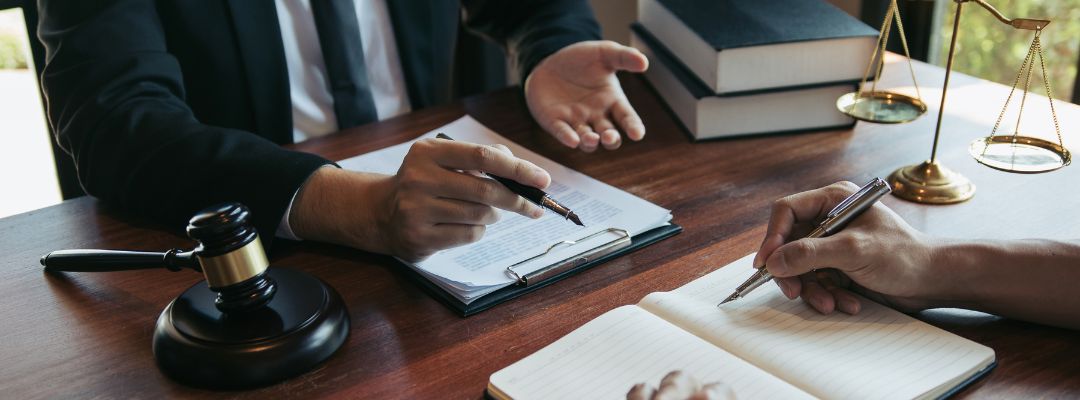
After leaving the accident scene, it is crucial to notify your insurance company as soon as possible. Most insurers have specific deadlines for reporting accidents, and delaying could affect your claim. When speaking with your insurance provider, be truthful about what happened, but avoid admitting fault or making statements that could be misunderstood. Insurance companies may look for ways to reduce their liability and minimize your payout by using your words against you. Many accident victims choose to work with a car accident attorney to handle negotiations with insurance companies. Insurers often try to offer low settlements or even deny valid claims to protect their profits.
- Case Evaluation and Compensation Assessment: A skilled car accident attorney will thoroughly review your case, gather evidence, assess liability, and estimate the full extent of your damages. They will determine how much car accident compensation you may be entitled to, considering medical expenses, vehicle repairs, lost income, and emotional distress.
- Negotiating with Insurance Companies: Dealing with insurance adjusters can be challenging, as they may attempt to minimize your claim or delay payments. A lawyer will handle all communications and negotiations on your behalf, ensuring that the insurance company does not take advantage of you. They will fight for a fair settlement that fully compensates you for your losses.
- Legal Representation in Court: If a fair settlement cannot be reached through negotiations, your attorney will represent you in court. Filing a lawsuit may be necessary to secure the compensation you deserve, especially if the other party denies liability or the insurance company refuses to pay a reasonable amount. A strong legal advocate will present your case effectively before a judge or jury.
If you are searching for the best car accident lawyer, it is important to find an attorney with experience handling car accident cases in Maryland. Laws regarding liability, negligence, and insurance claims can vary by state, so hiring a lawyer familiar with Maryland’s legal system is important. A knowledgeable attorney will guide you through the legal process, protect your interests, and fight for the maximum compensation you are entitled to receive.
Step 6: Understand Your Compensation Rights
After a car accident, you may be entitled to car accident compensation to help cover various financial and emotional burdens resulting from the incident. Compensation can include:
- Medical expenses – Coverage for hospital visits, surgeries, physical therapy, prescription medications, and ongoing treatment for accident-related injuries.
- Lost wages – If your injuries prevent you from working, you may be eligible to recover lost income and potential future earnings.
- Property damage – Compensation for vehicle repairs or replacement if your car was severely damaged.
- Pain and suffering – A settlement for the physical pain, emotional trauma, and reduced quality of life caused by the accident.
A car accident consultant or attorney can help determine the full value of your claim, ensuring that you are not pressured into accepting an unfair settlement. Many insurance companies initially offer lowball settlements, hoping that accident victims will accept without fully understanding their rights. An experienced attorney will carefully review the offer, assess the true extent of your damages, and negotiate aggressively on your behalf to secure the best possible outcome.
Step 7: File a Personal Injury Claim if Necessary
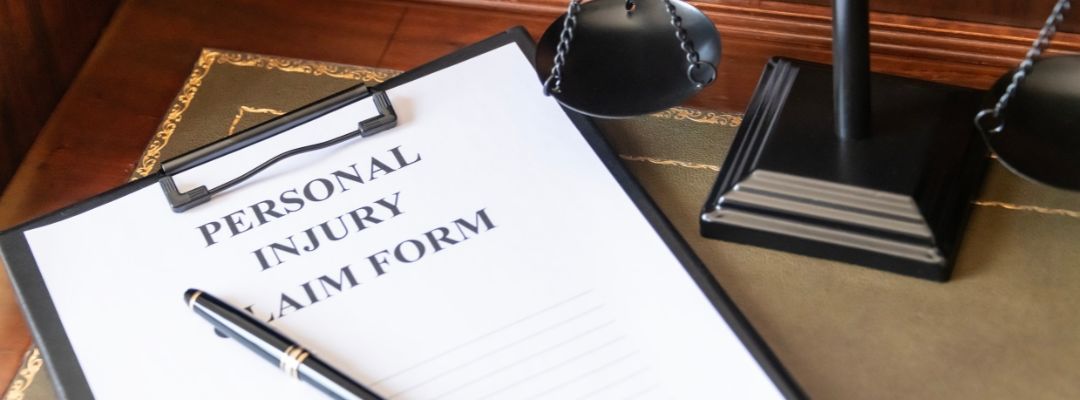
If the insurance company refuses to offer a fair settlement, you may need to take legal action by filing a personal injury claim with the assistance of a car accident lawyer in Maryland. This step becomes necessary if:
- The insurance company denies your claim, arguing that you were at fault or your injuries are not severe.
- The compensation offered is insufficient and does not fully cover your medical bills, lost wages, and other damages.
- The at-fault party refuses liability, making it difficult to settle outside of court.
Filing a lawsuit can be a complex and time-consuming process, but a car accident attorney will handle all legal aspects on your behalf. This includes gathering crucial evidence, consulting expert witnesses, filing necessary paperwork, and representing you in court. The ultimate goal of pursuing a personal injury claim is to ensure that you receive fair and just compensation for all your losses, allowing you to recover and move forward after the accident.
Conclusion
Being involved in a car accident can be a stressful and life-altering experience, but knowing what to do can make a significant difference in your recovery and financial stability. Prioritizing your safety, gathering crucial evidence, and seeking professional legal advice are key steps in securing fair car accident compensation. Insurance companies may try to minimize payouts, but with the right accident lawyer in Maryland, you can ensure your rights are protected. If you need legal assistance, choosing an experienced accident lawyer can help maximize your claim and fight for the compensation you deserve. By staying informed and proactive, you can navigate the challenges of a car accident with confidence and secure the best possible outcome for your future.

Understanding the Importance of Reporting Injuries at the Scene of an Accident in Maryland
When you’re involved in a car accident, it’s natural to feel overwhelmed and unsure of what to do next. However, if you’re in Maryland, there’s one critical step you should never skip: reporting your injuries at the scene. Failing to do so can significantly impact your ability to file a police report and make it harder to establish liability with insurance companies later on.
Why Reporting Injuries at the Scene is Crucial

In Maryland, police reports are not automatically generated for every car accident. If injuries are not reported at the scene, the responding officers may not file an official report. This lack of documentation can present serious challenges when you attempt to resolve your claim with insurance companies or seek compensation for damages.
Reporting Injuries and How It Affects Your Claim
- Insurance Companies May Deny Liability: Without a police report, it becomes your word against the other driver’s. Insurance companies may use the lack of documentation to dispute or deny liability.
- Delays in Compensation: The absence of a clear record can lead to prolonged negotiations or even legal disputes, delaying the compensation you need for medical bills, lost wages, and other damages.
- Weakened Evidence: A police report provides an impartial account of the accident, including witness statements, road conditions, and other critical details. Without it, proving your case becomes more difficult.
You Don’t Have to Leave in an Ambulance

One common misconception is that reporting injuries at the scene means you have to leave in an ambulance. This is not true. While severe injuries may require immediate medical attention, you can still report your injuries and choose to seek treatment on your own. Here’s how:
- Inform the Responding Officer: Clearly communicate that you’ve been injured, even if the symptoms seem minor at the time. Injuries like whiplash or concussions may not fully manifest until hours or days later.
- Document the Scene: Take photos of the accident, including any visible injuries and vehicle damage. If possible, gather witness contact information as well.
- Seek Medical Attention Promptly: Even if you don’t leave the scene in an ambulance, visit a doctor or urgent care facility as soon as possible. Medical records are vital for establishing the extent of your injuries.
Tips for Protecting Your Rights After an Accident

- Stay Calm and Composed: Take a few deep breaths and focus on ensuring everyone’s safety.
- Call 911: Report the accident and request an officer to the scene.
- Be Honest About Your Injuries: Don’t downplay how you’re feeling, even if the pain seems minor.
- Follow Up with Medical Care: Document your injuries thoroughly and follow your doctor’s recommendations.
- Consult an Attorney: An experienced car accident attorney can help you navigate the complexities of Maryland’s legal and insurance systems.
We’re Here to Help
At The Law Office of C. James Terry, LLC, we understand how confusing and stressful the aftermath of a car accident can be. Our team is here to guide you through the process and ensure your rights are protected. If you’ve been injured in an accident, contact us today for a free consultation. Let us help you build a strong case and secure the compensation you deserve.

Stay Safe on the Roads This Winter: Tips for Driving in DC and Maryland
Winter is a challenging time for drivers, especially in areas like Pennsylvania, Maryland, and Washington, DC, where sudden weather changes and icy roads can make travel hazardous. At The Law Office of C. James Terry, LLC, we want you to stay safe this season. By being vigilant and patient, you can help reduce the risk of accidents and keep yourself and your loved ones safe. Below, we’ve outlined essential Driving Tips for navigating winter roads safely.
1. Prepare Your Vehicle for Winter Driving

Before you head out, follow these essential Driving Tips to ensure your car is ready to handle winter conditions. Here’s a checklist to keep your vehicle in top shape:
- Inspect Your Tires: Ensure your tires are properly inflated and have sufficient tread to handle icy or snowy roads. Consider switching to winter tires for better traction.
- Check Your Battery: Cold weather can drain your car battery. Have it tested to ensure it’s fully charged.
- Top Off Fluids: Refill windshield washer fluid with a winter formula that won’t freeze. Check your oil and coolant levels as well.
- Pack an Emergency Kit: Include essentials like a flashlight, blankets, jumper cables, water, non-perishable snacks, and a first-aid kit.
2. Drive Cautiously on Icy or Snowy Roads

Winter weather can make roads slippery and visibility poor. Follow these tips to stay safe:
- Slow Down: Reduce your speed to account for decreased traction on icy or snowy roads.
- Increase Following Distance: Allow at least three times more space than usual between your car and the vehicle ahead to give yourself plenty of time to brake.
- Brake Gently: Avoid slamming on your brakes, as it can cause your wheels to lock up. Instead, apply steady pressure.
- Avoid Sudden Movements: Accelerate, brake, and turn slowly to maintain control of your vehicle.
3. Plan Ahead to Avoid Unnecessary Risks

Preparation is key to staying safe during the winter months. Follow these essential Driving Tips:
- Check the Weather: Before heading out, review the weather forecast to anticipate road conditions.
- Allow Extra Time: Leave earlier than usual to account for slower travel speeds and possible delays.
- Know Your Route: Familiarize yourself with alternate routes in case of road closures or heavy traffic.
4. Stay Patient and Vigilant

Winter driving requires patience and vigilance to avoid accidents. Keep these tips in mind:
- Avoid Aggressive Driving: Tailgating, speeding, and weaving through traffic can increase the likelihood of an accident.
- Be Aware of Black Ice: Black ice is often invisible and forms on bridges, overpasses, and shaded areas. Drive cautiously in these spots.
- Watch for Pedestrians and Cyclists: Snow and ice can make it difficult for others to stop or maneuver safely. Be extra vigilant in areas with heavy foot traffic.
5. What to Do If You’re in an Accident

Even with the best precautions, accidents can happen. If you’re involved in a winter car accident, follow these steps:
- Ensure Safety First: Move your vehicle to a safe location if possible and check for injuries.
- Call for Help: Contact emergency services and report the accident.
- Document the Scene: Take photos of the damage, road conditions, and any other relevant details.
- Exchange Information: Collect the contact and insurance information of the other driver(s) involved.
- Contact an Attorney: Speak with an experienced car accident attorney to protect your rights and pursue the compensation you deserve.
We’re Here to Help
At The Law Office of C. James Terry, LLC, we understand how stressful and overwhelming winter accidents can be. Our team is here to help you navigate the legal process and fight for the compensation you need to recover.
If you’ve been injured in a car accident this winter, don’t hesitate to reach out. Contact us today for a free consultation and let us advocate for you. Stay safe this winter and drive with care!
Free Case Evaluation
Don’t Risk Your Future or Your Freedom...
CALL US TODAY 410-699-0558