


2025 NIL Trends Every College Athlete in DC & Maryland Should Know
The world of college sports is undergoing major change in 2025. In Washington, D.C., and Maryland, student-athletes are finding more ways to benefit from their name, image, and likeness (NIL). These opportunities go far beyond social media deals. From brand collaborations and team-wide contracts to direct payments from universities and evolving laws, every athlete should stay informed and proactive.
In this guide, you’ll learn about the most important NIL trends this year that are shaping how college athletes earn income, protect their rights, and build their future.
1. Local Partnerships on the Rise
In 2025, local businesses are playing a bigger role in NIL. While big national brands still sponsor top-tier athletes, smaller and mid-size companies in D.C. and Maryland are partnering with student-athletes to promote their products and services. This is great news for athletes who may not have millions of followers but still have a strong connection with their community.
Restaurants, gyms, barbershops, wellness brands, and even local tech startups are offering sponsorships to athletes. These partnerships often feel more personal and are easier to manage, giving athletes the ability to showcase brands they genuinely care about.
Universities are encouraging these deals by offering guidance and connecting athletes with local businesses. This gives student-athletes more opportunities to build relationships and start earning early.
2. Team-Wide NIL Agreements
Team NIL deals are another growing trend. Instead of signing individual contracts, entire teams now sign group deals where all athletes receive the same benefits. These agreements ensure that more players share the rewards, not just the star quarterback or top scorer.
This is especially useful for athletes in sports that traditionally don’t get a lot of attention. Volleyball, soccer, lacrosse, and track athletes are now participating in deals that may not have been available to them before.
Team NIL deals also help reduce competition within teams and encourage collaboration. When every athlete gets something, there’s less tension and more focus on performance and unity.
3. Direct School Payments Begin
One of the most impactful developments in 2025 is the introduction of direct payments from universities to athletes. Under a new national agreement, schools can now allocate a portion of their revenue up to $20.5 million to student-athletes in the form of salaries, stipends, and other benefits.
This blurs the line between amateur and professional sports. Athletes are not just playing for scholarships anymore, they’re receiving real compensation for their efforts on the field and their contributions to university revenue.
This shift is expected to create more competition among schools, as programs with larger budgets may attract top talent. But it also raises important questions about fairness, transparency, and the future of college athletics.
4. Stricter Rules and Oversight
As NIL becomes more profitable, regulators are stepping in to ensure fairness and compliance. New federal and state-level rules require athletes to report all earnings and sponsorships. Schools must now work closely with compliance officers to review deals and ensure they meet regulations.
There are also new rules limiting how and when athletes can sign contracts. For example, student-athletes must disclose contracts above a certain value and verify that payments reflect fair market value. This helps prevent exploitation and maintains the balance of competition.
Athletes who ignore these rules risk suspension or eligibility issues. That’s why it’s more important than ever to stay organized, keep good records, and work with trusted advisors.
5. Growth of NIL Education Programs
To help athletes handle NIL responsibilities, many schools in D.C. and Maryland have launched dedicated programs. These initiatives teach student-athletes how to manage money, negotiate deals, build a brand, and stay compliant with legal standards.
Classes, workshops, and one-on-one mentorship are now common. Student-athletes are encouraged to think like entrepreneurs, with a focus on long-term brand development rather than short-term gains.
Some schools are even collaborating with business schools to offer customized NIL training, making education a key part of the athlete experience.
6. Digital Branding and Content Creation
Athletes are now expected to build and maintain a strong online presence. Social media is still a major platform, but video content, podcasts, and newsletters are gaining traction too.
Fans want to see the real, behind-the-scenes stories of athletes, the training, the mindset, and the lifestyle. Those who can tell a compelling story online will attract more sponsorships and brand interest.
That means athletes need to be smart with their content. Posting regularly, staying professional, and using the right hashtags can all increase visibility. Some schools offer resources like studio space, media training, and professional photographers to support athletes in content creation.
7. Legal and Financial Help Is a Must
With more money on the table, student-athletes must be aware of their legal and financial rights. This includes understanding taxes, signing fair contracts, and protecting their name from misuse.
Working with professionals is no longer a luxury; it’s a necessity. A Maryland Personal Injury Attorney or sports lawyer can help protect athletes from unfair agreements, resolve disputes, and ensure their NIL activities don’t interfere with their academic or athletic goals.
It’s also wise to have a certified accountant to track income and manage taxes. Athletes are learning that being organized off the field is just as important as performance on it.
8. The Rise of Collectives and Athlete Agencies
Collectives are independent groups that help athletes secure NIL deals. They may be organized by alumni, businesses, or fans. In 2025, more collectives in Maryland and D.C. are stepping in to support athletes with training, marketing, and even guaranteed compensation.
These groups often take care of the details, writing contracts, handling payments, and making sure everything is legal. This takes pressure off athletes and ensures they’re getting fair treatment.
Agencies, too, are becoming more common. Even younger athletes are hiring agents to manage their NIL deals, negotiate with brands, and handle PR. Choosing the right agency is key, and athletes should look for those with experience and a good reputation.
9. Federal Involvement and Long-Term Reform
The federal government is becoming more involved in NIL. New laws aim to create consistent standards across states, protect athlete scholarships, and limit pay-for-play abuse.
While it’s still being shaped, this national framework could bring long-term stability to NIL. It may also clarify how schools, businesses, and athletes work together in the future.
College athletics is now a gateway to professional-level income and exposure. This means athletes must approach their careers with strategy and awareness.
Final Thoughts
In 2025, the NIL landscape is full of promise and potential, but also responsibility. College athletes in DC and Maryland have more tools, resources, and opportunities than ever. From local sponsorships to full-time compensation, the options are growing fast.
To succeed, athletes must think long-term. Stay organized. Keep learning. Protect your rights. Build a brand you’re proud of. And don’t hesitate to ask for help from mentors, legal advisors, and trusted professionals like a Maryland Personal Injury Attorney.

Where Do Broadside Collisions Most Commonly Occur?
Driving comes with its risks, and among the most dangerous of these is the broadside collision. Also known as a T bone accident, a broadside crash happens when the front of one vehicle hits the side of another, forming a “T” shape. These accidents are not only frightening but often result in serious injuries or even death. Knowing where broadside collisions most commonly occur can help drivers stay alert and avoid getting into a car accident.
In this blog, we will explore the most common places for broadside collisions, why they happen, how you can avoid them, and what to do if you’re involved in one. We’ll also touch on how a Personal Injury Attorney can help you if you’ve been hurt in such an accident.
What Is a Broadside Collision?

A broadside collision happens when one vehicle hits the side of another. Usually, this type of crash occurs at an angle that creates a “T” shape, with the front of one car slamming into the doors of another. This kind of crash is very dangerous, especially for the person sitting on the side of the car that gets hit.
Unlike front or rear end crashes, the sides of a car have less protection. There are usually no large bumpers or crumple zones to absorb the impact. Because of this, injuries in broadside collisions can be serious, even in vehicles with side airbags.
Intersections: The Most Common Location

The place where broadside collisions most often happen is at intersections. Whether it’s a four-way stop or a traffic light, intersections are full of moving parts. One wrong move, and a crash can occur in a split second. These accidents happen at intersections for several reasons:
- Running Red Lights or Stop Signs: When drivers ignore traffic signals or signs, they can drive right into the path of another car that has the right of way.
- Turning Without Yielding: Left turns across oncoming traffic are common causes of T bone crashes. A driver might think they have enough time to turn but misjudge the speed of the oncoming car.
- Poor Visibility: At busy or poorly lit intersections, drivers may not see another vehicle coming, especially if their view is blocked by trees, signs, or large trucks.
If you’re at an intersection, always look both ways—even when you have a green light. Other drivers may not follow the rules, and being alert could save your life.
Parking Lots: A Hidden Danger
Broadside collisions also happen often in parking lots. This may seem surprising because cars move slowly in these areas. However, the constant in and out movement, tight spaces, and limited visibility make parking lots risky.
For example, when one car is backing out of a space and another is turning down the lane, they can easily collide. If one car’s front hits the side of the other, it’s considered a broadside crash. Though not always serious, these types of Car Accident can still lead to damage and injuries.
Stay alert in parking lots. Drive slowly, check your mirrors, and always watch for cars backing out or pedestrians walking between vehicles.
Urban Areas: More Traffic, More Risks
Broadside collisions are also more likely to occur in busy city areas. With many intersections, crosswalks, cyclists, and pedestrians, city driving requires full attention. One distracted driver, such as someone looking at a phone or hurrying to beat the light, can cause a dangerous collision.
In cities, there are often complex traffic patterns with multi lane roads, turning arrows, and bus lanes. These can confuse drivers unfamiliar with the area, increasing the chances of making a wrong move.
If you drive in an urban setting, slow down at intersections, double check traffic signals, and never assume other drivers will stop when they should.
Rural Roads: Don’t Let the Quiet Fool You
While rural roads have less traffic, they still see their share of broadside collisions. These roads often lack proper signs, signals, and lighting. Also, they may have intersections without traffic lights, just stop signs.
Drivers on rural roads may also travel at higher speeds, making any collision more dangerous. When someone fails to stop at a stop sign or doesn’t yield, a high speed T bone crash can occur.
Drive cautiously on country roads. Approach all intersections slowly, even if you think no one else is around. It’s better to take a few extra seconds than to risk a serious accident.
Causes Behind Broadside Collisions

To avoid broadside collisions, it’s important to understand what causes them. Here are some common reasons:
- Distracted Driving: Texting, eating, or adjusting the radio while driving can cause a driver to miss a red light or stop sign.
- Drunk or Drugged Driving: Impaired drivers have slower reaction times and may ignore traffic signals or fail to see other vehicles.
- Speeding: Drivers going too fast have less time to stop and may run a red light or try to rush through an intersection.
- Weather Conditions: Rain, fog, or ice can make it harder to see traffic signals or stop in time.
No matter the cause, the results of a broadside collision can be devastating. Injuries can include broken bones, head trauma, internal bleeding, and more.
What to Do After a Broadside Collision

If you’re ever involved in a broadside collision, it’s important to know what to do:
- Check for Injuries: First, check yourself and any passengers for injuries. Call 911 if anyone is hurt.
- Move to Safety: If your car can still move, get it out of traffic. Turn on your hazard lights.
- Call the Police: Even in minor accidents, having a police report is helpful when filing insurance claims.
- Take Photos: Capture pictures of the damage, the location, traffic signs, and any injuries.
- Get Medical Help: Sometimes, injuries don’t show up right away. It’s a good idea to see a doctor even if you feel okay.
Contact a Lawyer: If you were injured, speaking to a Personal Injury Attorney can help protect your rights.
How a Personal Injury Attorney Can Help

A Personal Injury Attorney plays an important role after a broadside car accident. If you were hurt because of someone else’s carelessness, a lawyer can help you:
- Understand your legal rights
- Deal with insurance companies
- Gather evidence to prove fault
- Estimate your total losses (medical bills, lost wages, etc.)
- File a claim and negotiate for fair compensation
- Go to court, if needed
Lawyers who handle injury cases know how to prove that the other driver was at fault. This is especially important in T-bone crashes, where blame can sometimes be unclear. If you’re recovering from injuries, the last thing you need is to fight with insurers. Let a lawyer take care of the legal side while you focus on healing.
Preventing Broadside Collisions
While not every accident can be avoided, there are things you can do to reduce your chances:
- Obey all traffic signs and lights
- Don’t rush through yellow lights
- Double check for traffic before making a turn
- Avoid distractions behind the wheel
- Never drive under the influence
- Be extra cautious in busy areas, at night, or in bad weather
Being a careful and alert driver is your best defense.
Final Thoughts
Broadside collisions, or T bone crashes, are among the most dangerous types of car accidents. They happen most often at intersections, in parking lots, and in busy city streets. But they can also occur on rural roads and in unexpected places.
Understanding where and why these crashes happen can help you stay alert and drive more safely. If you’re ever hurt in a broadside crash, don’t try to handle everything alone. A Personal Injury Attorney can guide you through the legal steps and help you get the support you need.
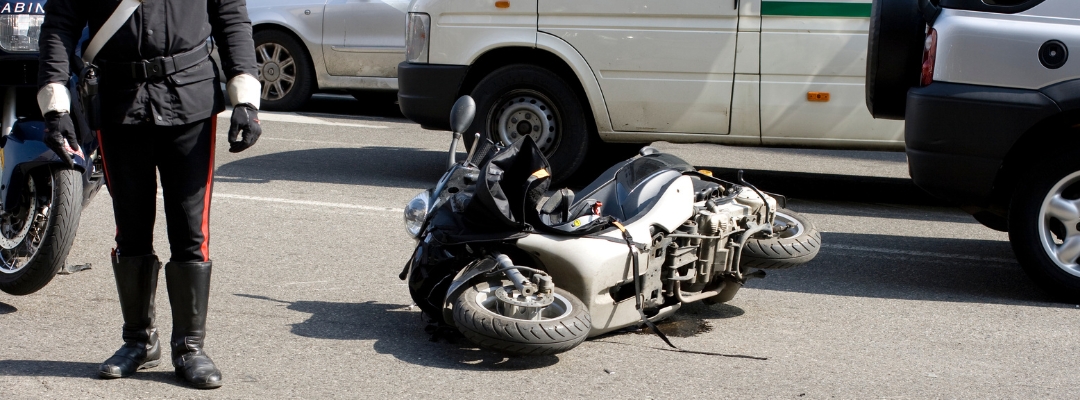
What Does a Motorcycle Accident Lawyer Do?
Motorcycles offer a thrilling way to travel, but they also come with unique risks. When an accident happens, the consequences can be life changing. Unlike car accidents, motorcycle accidents often cause more serious injuries due to less protection for the rider. After such a traumatic event, it’s common to feel overwhelmed. Medical bills, lost wages, and insurance claims can add stress to an already difficult time. This is where a motorcycle accident lawyer steps in.
If you or someone you know has been involved in a motorcycle crash, hiring a skilled lawyer can make a big difference. This article explains what a motorcycle accident lawyer does, how they help victims, and why hiring one is an important step toward recovery and justice.
Understanding the Role of a Motorcycle Accident Lawyer

A motorcycle accident lawyer is a legal professional who focuses on helping people injured in motorcycle crashes. Their main goal is to protect your legal rights and help you get compensation for your losses. They understand the laws related to motorcycle accidents and how insurance companies work. Their job is not just about filing legal paperwork, it’s about guiding you through every step of the process.
These lawyers are often a type of personal injury attorney who has experience handling motorcycle related cases. Since motorcycle crashes can be more complex than other vehicle accidents, having someone who understands the unique challenges of these cases is important.
Investigating the Accident
One of the first things a motorcycle accident lawyer will do is investigate the accident. This means gathering all the facts, speaking to witnesses, reviewing police reports, and looking at photos or videos from the scene. If needed, they may work with accident reconstruction experts to understand exactly how the crash happened.
Understanding the cause of the accident is critical. Was it another driver’s fault? Was there a problem with the road? Was the motorcycle itself defective? The answers to these questions help build a strong case and determine who should be held responsible.
Helping You Understand Your Rights
After a motorcycle crash, you may be unsure about what your rights are. A good lawyer will explain everything in simple terms. They will help you understand what kind of compensation you can seek, how long you have to file a claim, and what to expect at each stage of the process.
Many people don’t realize that they may be entitled to much more than just the cost of repairing their bike. You may be able to claim for medical bills, lost wages, pain and suffering, and even future medical expenses if your injuries are serious.
Dealing With Insurance Companies
Dealing with insurance companies can be one of the most frustrating parts of any accident. Insurance adjusters may try to settle quickly, often offering less than what your claim is really worth. They might also try to shift the blame onto you to reduce their payout.
A motorcycle accident lawyer knows how insurance companies operate. They will handle all communication with the insurers, making sure your rights are protected. They will also negotiate on your behalf to get you a fair settlement. If the insurance company refuses to offer a reasonable amount, your lawyer can take the case to court.
Proving Liability
In any accident case, proving who was at fault is key. This is known as establishing liability. In motorcycle accidents, this can sometimes be tricky. Other drivers may say the rider was speeding or driving recklessly, even when that’s not true.
Your lawyer will collect evidence to prove the other party’s fault. This might include traffic camera footage, phone records (to show if the driver was texting), or expert analysis of the accident. A strong case makes it more likely that you’ll get full compensation for your injuries and losses.
Calculating Damages
Damages are the total of all the ways the accident has affected you, physically, financially, and emotionally. A motorcycle accident lawyer will help you calculate your damages, which can include:
- Medical expenses (past and future)
- Lost income
- Loss of earning ability
- Pain and suffering
- Property damage
- Rehabilitation and therapy costs
Your lawyer will make sure nothing is left out so that you get the full compensation you deserve.
Calculating Damages
Damages are the total of all the ways the accident has affected you, physically, financially, and emotionally. A motorcycle accident lawyer will help you calculate your damages, which can include:
- Medical expenses (past and future)
- Lost income
- Loss of earning ability
- Pain and suffering
- Property damage
- Rehabilitation and therapy costs
Your lawyer will make sure nothing is left out so that you get the full compensation you deserve.
Representing You in Court
Most personal injury cases, including motorcycle accident claims, are settled out of court. But sometimes, a fair agreement can’t be reached. If that happens, your lawyer can file a lawsuit and represent you in court.
Having an experienced personal injury attorney by your side in the courtroom makes a huge difference. They will present your case clearly and effectively, using the evidence they’ve gathered to argue for your rights. Their goal is to get the judge or jury to see the truth and award you fair compensation.
Supporting You Emotionally and Practically
Being in a serious accident can take a toll on your mental health. The stress, the physical pain, and the sudden changes to your daily life can feel overwhelming. A good lawyer doesn’t just handle the legal parts; they also support you emotionally.
They understand what you’re going through and provide reassurance and clear communication throughout your case. Some law firms also help clients find the right medical care, therapy, or financial support if needed.
Why Experience Matters in Motorcycle Accident Cases

Motorcycle accidents are different from other types of accidents. There are unique challenges when it comes to proving fault and showing the full impact of your injuries. That’s why hiring a lawyer with experience in motorcycle cases is so important.
An experienced lawyer knows how to overcome unfair biases against motorcycle riders. They understand how injuries from motorcycle crashes can be more severe and how to calculate long term medical costs. They also know how to deal with complex insurance policies that may try to reduce or deny your claim.
When Should You Call a Lawyer?
If you’ve been injured in a motorcycle crash, it’s best to contact a lawyer as soon as possible. Early action helps preserve important evidence and strengthens your case. Waiting too long could make it harder to get the compensation you need, especially if legal deadlines are missed.
Even if you’re not sure whether you have a strong case, many lawyers offer free consultations. They can listen to your story and let you know if it’s worth pursuing legal action.
Choosing the Right Lawyer

When looking for a motorcycle accident lawyer, consider these factors:
- Experience with motorcycle cases
- Good communication skills
- Clear explanation of fees
- Positive reviews or client testimonials
- Willingness to take the case to court if needed
You want a lawyer who is not only skilled but also someone you trust to represent you. A strong legal team can make your recovery easier and help you move forward with peace of mind.
The Importance of Legal Help in Serious Motorcycle Accidents
Some motorcycle accidents lead to very serious injuries, such as brain damage, spinal cord injuries, broken bones, or permanent disabilities. In such cases, the need for a personal injury attorney becomes even more important. These kinds of injuries can have long-term effects on your ability to work and live a normal life.
A qualified lawyer will work hard to make sure your settlement includes future costs like medical care, special equipment, and home modifications if necessary. They’ll also make sure your pain and emotional suffering are considered in your compensation.
Final Thoughts
A motorcycle accident can change your life in an instant. From physical pain to financial stress, the road to recovery can be long and difficult. But you don’t have to go through it alone. A motorcycle accident lawyer helps you understand your rights, deal with insurance companies, and fight for the compensation you deserve.
Whether you’re dealing with minor injuries or serious long-term damage, hiring a personal injury attorney can make all the difference. They provide legal guidance, emotional support, and a clear path forward.
If you’ve been involved in a motorcycle accident, don’t wait. Reach out to a trusted lawyer who understands your situation and is ready to help. With the right support, you can focus on healing while your lawyer works to secure your future.

How to Find a Wrongful Death Attorney
Losing a loved one is one of the hardest things anyone can go through, especially if it happens because of someone else’s actions. When a life is lost due to negligence, carelessness, or wrongdoing, the law gives families the right to take legal action. This is called a wrongful death claim.
Filing a claim is not just about money, it’s about justice, accountability, and peace of mind. But handling a legal case while grieving is never easy. That’s why hiring a trusted wrongful death attorney is one of the most important steps you can take.
In this blog, we’ll explain what a wrongful death claim is, why a lawyer is important, and how to find the right attorney to help you through this painful time.
Why You Need a Wrongful Death Attorney
A wrongful death case can be complicated. It involves gathering evidence, proving fault, dealing with insurance companies, and possibly going to trial. These cases are emotional and difficult, and the legal process can be overwhelming. A wrongful death attorney helps by:
- Explaining your rights
- Investigating the case
- Gathering key evidence
- Talking to witnesses
- Negotiating with insurance companies
- Representing you in court
Most importantly, a good attorney fights for you so you can focus on healing.
What Is a Wrongful Death Claim?
A wrongful death claim is a legal case filed when someone dies because of another person’s or company’s mistake, neglect, or harmful actions. This type of lawsuit helps the family recover money for:
- Medical bills before death
- Funeral and burial costs
- Loss of future income
- Pain and suffering
- Loss of love and companionship
Common causes of wrongful death include:
- Car accidents
- Medical malpractice
- Workplace accidents
- Dangerous products
- Criminal acts
Only certain family members can file a wrongful death claim. This usually includes a spouse, children, or parents of the person who died.
When Should You Contact a Lawyer?
It’s best to talk to a lawyer as soon as possible. Every state has a time limit for filing a wrongful death claim, known as the statute of limitations. If you wait too long, you could lose your chance to file a claim.
Also, the earlier you contact a lawyer, the easier it is to gather strong evidence. Witnesses may forget details over time, and records can be lost. Even if you’re unsure whether you have a case, a consultation with a wrongful death attorney can help you understand your options.
What to Look in a Wrongful Death Attorney

Finding the right lawyer is key to winning your case. Here are the most important things to consider:
1. Experience with Wrongful Death Cases
Not all lawyers handle wrongful death cases. You need someone who has specific experience in this area of law. Ask how many wrongful death claims they’ve handled and what the outcomes were. A lawyer who knows the ins and outs of these cases will be better prepared to handle yours.
2. Clear Communication
A good attorney should explain things in simple terms and make you feel comfortable. They should keep you informed about the case and answer your questions clearly. You should never feel rushed or confused when talking to your lawyer.
3. Compassion and Understanding
You’re going through a hard time. You need someone who not only has legal skill but also understands your emotional needs. The right attorney will treat you with respect, patience, and care. Look for someone who listens and shows real concern for your family.
4. Strong Reputation
Check online reviews, testimonials, and ratings. Ask for references if you want to hear directly from past clients. A lawyer with a strong reputation is more likely to offer quality service and fight hard for your case. Also, check if the attorney has any awards or has been recognized for their work.
5. Success in Negotiation and Trial
Most wrongful death cases are settled out of court. But some go to trial. You need an attorney who is skilled in both negotiation and litigation. Ask about their track record. Have they won large settlements or verdicts in similar cases? Do they feel confident about taking your case to trial if needed?
6. Free Consultation and No Upfront Fees
Many wrongful death attorneys offer a free consultation, where you can discuss your case without any cost. They also often work on a contingency fee basis. That means you pay nothing unless you win your case. This takes away financial stress and lets you focus on finding the right lawyer, not the cheapest one.
Where to Find a Wrongful Death Attorney

Here are a few ways to start your search:
1. Personal Recommendations
Ask friends, family, or coworkers if they know any good lawyers. A personal referral can be one of the most trusted ways to find someone reliable.
2. Online Legal Directories
Let you search for lawyers by location and specialty. These sites often show reviews, ratings, and background information.
3. Local Bar Association
Your state or county bar association can provide a list of licensed attorneys in your area. Some even offer referral services to match you with the right type of lawyer.
4. Law Firm Websites
Many law firms have websites where you can learn about their services, experience, and client reviews. This is a great way to narrow down your list before making calls.
Questions to Ask Before Hiring
When you meet with a lawyer, be ready to ask questions. This will help you decide if they are a good fit. Here are some helpful ones:
- Have you handled wrongful death cases before?
- How long have you been practicing law?
- What were the results of your past cases?
- Who will be working on my case?
- What is your fee structure?
- How often will we talk during the case?
- What’s your strategy for my case?
Don’t be afraid to take notes and compare answers from different attorneys.
How Long Does a Wrongful Death Claim Take?
The time it takes to settle a wrongful death case varies. Some cases are resolved in a few months, while others may take years, especially if they go to trial. Many factors affect the timeline, such as:
- The strength of the evidence
- How willing the other party is to settle
- Court schedules and delays
- Whether multiple people or companies are involved
Your lawyer will help you understand what to expect and keep you updated along the way.
How Much Compensation Can You Get?
The amount of money you may receive in a wrongful death claim depends on many things, including:
- Medical and funeral costs
- Lost income and benefits
- Pain and suffering
- Loss of companionship
- The age and health of the deceased
A wrongful death attorney will work to get the maximum compensation for your losses.
Final Thoughts
Losing someone you love because of another person’s actions is heartbreaking. A wrongful death claim can’t bring them back, but it can bring justice, financial relief, and a sense of closure.
Finding the right wrongful death attorney is a big step toward healing and justice. Look for someone with experience, compassion, and a strong record of success. Take your time, ask the right questions, and trust your instincts.
You deserve a lawyer who will fight for your family and help you through every step of the process. Don’t wait, start your search today and take the first step toward justice.

How Much Does a Domestic Violence Lawyer Cost?
Facing domestic violence charges is stressful and confusing. You may feel scared, unsure of what to do next, and worried about what will happen to your future. One of the first questions many people ask is: How much does a domestic violence lawyer cost?
Hiring a lawyer is an important step in your defense. A strong legal defense can protect your rights, your freedom, and your reputation. But legal help also comes with a cost. In this blog, we’ll explain how much you can expect to pay for a Maryland domestic violence lawyer, what affects the cost, and how to choose the right lawyer for your case.
Why You Need a Domestic Violence Lawyer

Domestic violence charges are serious. They can lead to jail time, fines, a criminal record, and even a restraining order. You could also lose child custody rights, your job, or the right to own a firearm. The stakes are high. A lawyer who focuses on domestic violence defense can help you in many ways, such as:
- Explaining the charges against you
- Building a strong defense
- Representing you in court
- Negotiating with prosecutors
- Protecting your rights throughout the case
Without the right legal help, you could make mistakes that cost you everything. That’s why it’s important to get the best lawyer you can afford.
How Much Does a Domestic Violence Lawyer Cost?

The cost of a domestic violence lawyer depends on many factors. On average, you can expect to pay anywhere from $1,500 to $10,000 or more. Some cases may cost less, while others may cost much more, especially if they go to trial. Let’s break down what affects the cost.
1. Complexity of the Case
The more complex your case is, the more time and work it will take for your lawyer to handle it. If your case involves serious charges like felony domestic assault or child endangerment, it will likely cost more.
Cases that involve multiple charges, injuries, or a long history between the people involved may also be more expensive. If your case goes to trial, the cost will rise because trials require extra preparation, expert witnesses, and court appearances.
2. Experience and Reputation of the Lawyer
A highly experienced Maryland domestic violence lawyer with a good track record may charge more than someone who is newer to the field. However, this extra cost often comes with better service and stronger results.
Experienced lawyers know the local courts, judges, and prosecutors. They understand the strategies that work and can guide you through the process more effectively.
3. Flat Fee vs. Hourly Rate
Some domestic violence lawyers charge a flat fee, which means you pay one amount for the whole case. This fee may range from $1,500 to $5,000 or more, depending on the case. Others charge an hourly rate, usually between $150 and $500 per hour. If your case takes many hours, the total cost can rise quickly.
Ask your lawyer how they charge and get a written agreement. Make sure you understand what is included in the fee and whether there could be extra charges.
4. Location of the Case
Legal fees can vary based on location. In larger cities or areas with a high cost of living, lawyers usually charge more. A Maryland domestic violence lawyer working in Baltimore or Washington, D.C. may have higher rates than one in a smaller town.
However, the location may also affect how complex the case becomes. Busy court systems and stricter prosecutors may require your lawyer to spend more time preparing.
5. Court Fees and Other Costs
Besides paying your lawyer, there are other costs to keep in mind. These may include:
- Court filing fees
- Copying and mailing documents
- Hiring expert witnesses
- Private investigators
- Travel expenses (if needed)
Your lawyer should explain these costs up front or as they come up, so you’re not surprised.
How Payment Plans Can Help
Many lawyers understand that legal fees are hard to afford all at once. Some offer payment plans that let you pay in monthly installments.
If you can’t afford a private lawyer, you may qualify for a public defender, especially in criminal cases. Public defenders are free or low-cost, but they usually handle many cases and may not have as much time to focus on yours. Always ask about payment options during your first meeting with a lawyer.
What to Ask Before Hiring a Lawyer

Choosing the right lawyer is one of the most important steps in your case. Don’t just look at the price, ask questions to make sure the lawyer is the right fit for you. Here are some things to ask:
- How many domestic violence cases have you handled?
- What is your success rate?
- What is your fee, and what does it include?
- Will you be the one handling my case?
- How will you keep me updated?
- Do you offer payment plans?
A good domestic violence defense lawyer will be open, honest, and ready to help.
What Happens If You Don’t Hire a Lawyer?
Trying to handle a domestic violence case on your own is risky. You may not know the legal process, your rights, or how to defend yourself properly. Without a lawyer, you could:
- Say something that hurts your case
- Miss deadlines
- Accept a bad plea deal
- Be convicted of something you could have avoided
Hiring a skilled Maryland domestic violence lawyer gives you a better chance of getting the charges reduced, dropped, or dismissed.
What If You’re Innocent?
Even if you didn’t do anything wrong, you still need a lawyer. False accusations happen more often than people think. Emotions run high in domestic situations, and sometimes people make claims that are not true. A lawyer can help you prove your innocence by:
- Gathering evidence
- Interviewing witnesses
- Challenging the other side’s story
- Protecting your rights in court
You don’t have to face this alone. A lawyer will stand by you and help you clear your name.
The Long-Term Cost of Not Hiring a Lawyer
Some people worry about the cost of hiring a lawyer. But not having a good lawyer can cost you even more in the long run. If you’re convicted:
- You may go to jail or prison
- You could lose your job
- You may face higher insurance rates
- You could lose custody of your children
- You may carry a criminal record for life
All of these things can affect your future. A lawyer can help you avoid or reduce these outcomes.
Find the Right Domestic Violence Lawyer
There are many ways to find a lawyer in your area:
- Ask for recommendations from friends or family
- Search online legal directories
- Check reviews and testimonials
- Contact your local bar association
Look for a lawyer who has experience in domestic violence defense and understands Maryland laws. Schedule a consultation to get a feel for how they work and if they’re the right fit for you.
Final Thoughts
Dealing with a domestic violence charge is tough, but you don’t have to go through it alone. A strong legal defense starts with the right lawyer. While the cost may seem high, it is often worth it to protect your future.
The cost of a Maryland domestic violence lawyer depends on the complexity of your case, their experience, and how they charge. Ask questions, get everything in writing, and explore payment plans if needed.
Hiring a lawyer is an investment in your freedom, your record, and your peace of mind. Don’t wait, take action today and get the legal help you deserve.

Maryland’s Sergeant Patrick Kepp Act: Tougher Penalties for Dangerous Driving
Maryland has enacted the Sergeant Patrick Kepp Act (Chapter 447/Senate Bill 590), named in honor of a state trooper injured in a reckless driving incident. Effective October 1, 2025, the law ramps up penalties and sharpens definitions of reckless, negligent, and aggressive driving—to make roads safer across the state.
Why It Matters
The legislation aims to deter risky driving behavior by making penalties more severe and clarifying what constitutes dangerous driving. It reflects a serious commitment to protecting both law enforcement and the public.
Core Changes
- Tougher Reckless & Negligent Driving Penalties
* Reckless Driving is now a criminal offense, punishable by up to 60 days in jail and a \$1,000 fine (prior penalty was only a fine).
* Negligent Driving now carries a maximum fine of \$750, underscoring Maryland’s zero-tolerance approach
- Reckless Redefined: +30 MPH Rule
Driving 30+ mph over the speed limit will be classified as reckless driving, automatically triggering criminal charges—as opposed to the previous system that treated it as a serious, but civil, speeding offense.
- Streamlined Aggressive Driving Definition
Aggressive driving is now clearly defined as committing three or more violations—in one continuous drive—of key laws such as running red lights, unsafe lane changes, tailgating, and more. Conviction can bring a fine up to \$1,000 (still no jail time).
A +30 MPH speeding violation may now land you in criminal court.
Multiple minor violations during one drive could result in aggressive driving charges.
Heavier fines, criminal records, points on your license, and higher insurance costs are all likely outcomes.
The criminalization of previously non-criminal violations makes legal counsel more essential than ever.
What You Should Do
If you’re facing a reckless or aggressive driving charge, these changes mean significantly more is at stake. Now is the time to consult with a Maryland traffic defense attorney to protect your record, license, and freedom.
Can you go to jail now for reckless driving? Yes—up to 60 days.
What triggers aggressive driving charges? Three or more specified traffic violations in a single ride.
Will this affect my insurance/license? Yes, expect added points, higher rates, and possible suspension.
Summary
The Sergeant Patrick Kepp Act represents a major shift in how Maryland addresses dangerous driving. Beyond fines, it introduces criminal liability and expands law enforcement tools—raising the stakes for speeding and traffic violations across the state.
Frequently Asked Questions
Is jail time now possible for driving 30+ MPH over the speed limit in Maryland?
Yes. A new law effective October 1, 2024, allows courts to impose up to 60 days in jail for drivers caught speeding more than 30 MPH over the posted limit, even for a first offense.
Is jail time mandatory for a first-time offender?
No. Jail time is not mandatory. It is up to the judge’s discretion based on the circumstances of the offense.
Does this law apply on all types of roads in Maryland?
Yes. The law applies statewide and covers all road types, including highways, rural roads, and residential areas.
Does this law affect out-of-state drivers passing through Maryland?
Yes. All drivers operating a vehicle in Maryland—regardless of their state of license—are subject to Maryland traffic laws.
Can I also be charged with reckless driving under this law?
Yes. Driving 30+ MPH over the speed limit can also meet the definition of reckless driving, which carries separate penalties, including additional fines and points.
Is a court appearance required for this kind of speeding violation?
Yes. Because the offense now carries the possibility of jail time, it is treated as a must-appear citation in most cases.
Will this violation add points to my license or affect my insurance?
Yes. A conviction will result in points on your license and will likely cause a significant increase in your insurance premiums.