


How to Talk to a Personal Injury Lawyer
When you’re hurt in an accident, it’s hard to know what to do next. You may be in pain, stressed, or confused. One of the most important steps you can take is talking to a personal injury lawyer. They can help you understand your rights and fight for the money you deserve.
But many people feel nervous about speaking with a lawyer. They don’t know what to say or what to ask. If you’re searching for a Personal injury lawyer near me, this guide is here to help you feel confident and ready for that first conversation.
Below, we’ll walk you through everything you need to know: what to expect, what questions to ask, what to bring, and how to make sure you choose the right lawyer for your case.
Why Talk to a Personal Injury Lawyer?

Accidents happen every day. You might slip and fall, be in a car crash, get hurt at work, or be bitten by a dog. If you’re hurt because of someone else’s mistake, you may have the right to get compensation. But getting that money isn’t always easy. That’s where injury lawyers come in.
An experienced personal injury lawyer knows the law. They know how to talk to insurance companies, gather evidence, and fight for your rights. Talking to a lawyer early can help you avoid mistakes and protect your case.
When to Talk to a Lawyer
It’s best to talk to a lawyer as soon as possible after the accident. The sooner you speak to someone, the easier it is to collect evidence and build your case. Even if you’re not sure your injury is serious, a short meeting with a lawyer can help you know what to do next.
If you’re not sure where to start, search for a Personal injury lawyer near me. Most lawyers offer free consultations, so it won’t cost anything to talk with them.
What to Expect During the First Meeting

The first time you talk to a lawyer, it’s usually called a free consultation. During this meeting, the lawyer will listen to what happened, ask you questions, and explain whether they think you have a good case.
You don’t have to dress up or use fancy words. Just be honest and clear. The lawyer is there to help you, not to judge you.
They may ask questions like:
- What happened before and during the accident?
- What injuries do you have?
- Did you see a doctor?
- Did anyone witness the accident?
- Have you talked to your insurance company?
This meeting is also your chance to ask them questions and decide if you feel comfortable with them.
What to Bring When You Talk to a Lawyer
When you meet a personal injury lawyer, it helps to bring any information you have. This makes it easier for them to understand your case. Here are some things you should take with you:
- Medical records and bills
- Photos of your injuries or the accident scene
- Police reports (if available)
- Contact info for any witnesses
- Insurance details (yours and the other person’s)
- Notes about what happened
Don’t worry if you don’t have everything. Just bring what you can. A good lawyer will help gather anything that’s missing.
Questions You Should Ask a Personal Injury Lawyer

Talking to a lawyer is a two-way street. It’s not just about them asking you questions. You should ask questions too. This helps you find the right person to handle your case.
Here are some simple but smart questions to ask:
- Have you handled cases like mine before?
- How long have you been practicing law?
- What do you think about my case?
- What will you charge me?
- Will I have to go to court?
- How long will my case take?
Most injury lawyers work on a “contingency fee” basis. This means they only get paid if they win your case. If you win, they take a small percentage of the money. If you don’t win, you don’t pay.
Be Honest and Stay Calm
It’s important to be honest with your lawyer. Tell them everything, even if you think it might hurt your case. The lawyer can only help you if they know the full story. Everything you say is private and protected by law.
Also, try to stay calm. It’s okay to feel nervous, but remember, the lawyer is there to help. They’ve seen many cases like yours before, and they know how to guide you.
Following Up After the Meeting
After the meeting, the lawyer might need more time to review your case before making a final decision. They may ask you to sign an agreement if you decide to move forward. Read everything carefully, and don’t be afraid to ask questions if you’re unsure.
If you don’t feel comfortable with the lawyer, it’s okay to speak to someone else. When you search for a Personal injury lawyer near me, you’ll likely find many options. Take your time to choose someone you trust.
Red Flags to Watch Out For
Most injury lawyers are professional and want to help, but there are a few warning signs you should know:
- They guarantee you a large payout (no one can promise this)
- They don’t listen to your questions or rush you
- They ask for money up front for a personal injury case
- They pressure you to sign quickly
A good lawyer will treat you with respect and explain things in simple, clear language.
Keeping in Touch with Your Lawyer

Once you hire a lawyer, stay in touch with them. Give them updates about your medical treatment, insurance calls, or anything new. If you have questions, reach out. Most lawyers will answer emails or calls within a few days. Keeping your lawyer updated helps your case and builds trust.
Consistent communication also allows your lawyer to react quickly if anything changes in your situation. For example, if your injuries get worse or if an insurance adjuster contacts you, your lawyer needs to know right away.
This way, they can adjust your strategy, protect your rights, and avoid mistakes that could hurt your claim. Sharing accurate and timely information also shows that you are serious about your case, which can help motivate your lawyer to fight harder for the best outcome.
Benefits of Talking to a Local Lawyer
When you search for a Personal injury lawyer near me, you’re more likely to find someone who understands local laws and courts. A local lawyer can also meet you in person and is easier to reach if you need help fast.
Local lawyers often have good relationships with nearby doctors, experts, and courts, which can help your case move more smoothly.
Final Thoughts
Talking to a personal injury lawyer doesn’t have to be scary or confusing. It’s your chance to ask questions, learn your rights, and get the help you need. Whether you were in a car crash, had a slip and fall, or got hurt at work, the right lawyer can make a big difference.
Start by searching for a Personal injury lawyer near me, take notes, and be honest about what happened. Bring what you can, ask smart questions, and take your time choosing the best lawyer for your case.
Remember, the goal is to help you recover, not just physically, but also financially. You don’t have to go through it alone. The right injury lawyers will fight for you every step of the way.

Questions to Ask a Personal Injury Lawyer
If you’ve been injured in an accident, you may be feeling scared, confused, and unsure of what to do next. Medical bills may be adding up, and you may be missing work. In times like this, getting help from a Personal Injury Attorney can make a big difference. They can guide you, fight for your rights, and help you get the money you need to recover.
But before you choose a lawyer, it’s important to ask the right questions. Not all lawyers are the same. Some have more experience. Some may care more about your case. Asking good questions helps you find a lawyer who truly wants to help and has the skills to do it. If you live in Maryland, finding a Personal injury lawyer Baltimore with local knowledge is even more helpful.
This article will explain the questions you should ask and why they matter. It’s written in simple words so anyone can understand.
Understanding Personal Injury Lawyer

A Personal Injury Attorney is a legal expert who helps people who have been hurt because of someone else’s mistake or carelessness. These injuries can come from car accidents, slips and falls, workplace accidents, or even dog bites. The goal of a Personal injury lawyer Baltimore is to help you get money for your medical bills, lost wages, and pain.
They know the laws around injury cases and understand how to talk to insurance companies or go to court if needed. Having the right lawyer by your side can make a big difference in how your case turns out.
How Much Experience Do You Have?
Experience matters in personal injury law. A lawyer who has handled many cases like yours will know what to expect. They’ll understand how insurance companies work, what paperwork needs to be done, and how to speak to a judge if your case goes to court. Ask the lawyer:
- How many years have you been practicing personal injury law?
- Have you worked on cases like mine before?
- What kind of results have you gotten for past clients?
These questions help you see if the lawyer is the right fit for your case. You want someone who has helped other people win fair compensation.
Will You Be Handling My Case Personally?
Sometimes, big law firms have many lawyers working there. The one you meet first might not be the one who actually works on your case. That’s why it’s good to ask:
- Will you handle my case yourself?
- If not, who will be working on it?
- Can I talk to the person who will be handling my case?
You want to know who you’ll be dealing with. It’s important to feel comfortable with the person you’ll be talking to during your case.
What Are Your Fees?

Most personal injury lawyers work on something called a “contingency fee.” This means they only get paid if they win your case. Their fee is usually a percentage of the money you get. Ask these questions:
- Do you work on a contingency fee?
- If so, what percentage will you take?
- Are there any other costs I should know about?
A good Personal Injury Attorney will explain their fees clearly and honestly. They should not charge any money upfront.
How Long Will My Case Take?
Some cases are simple and settle quickly. Others take longer, especially if they go to court. It helps to ask:
- How long do you think my case will take?
- What might cause delays?
- Will you keep me updated throughout the case?
You don’t need exact dates, but a general idea will help you plan. You want a lawyer who will keep you informed and not leave you wondering what’s happening.
What Is My Case Worth?
Every case is different, so no lawyer can give you an exact number at the start. But a good Personal injury lawyer Baltimore can give you an estimate based on their experience. Ask:
- What kind of compensation can I expect?
- Will I be paid for medical bills, lost wages, or pain and suffering?
- How do you calculate these amounts?
This helps you understand what your case may be worth and what to expect. It also shows whether the lawyer has handled similar cases before.
Have You Taken Cases to Trial?
Many cases are settled without going to trial. But sometimes, the insurance company won’t offer a fair deal. In those cases, your lawyer should be ready to go to court and fight for you.Ask:
- Have you taken cases like mine to trial?
- What were the outcomes?
- Are you comfortable going to court if needed?
The injury lawyers with trial experience will know how to present your case strongly in front of a judge or jury. Even if your case doesn’t go to court, it’s good to know your lawyer is ready.
What Is My Role in the Case?
You should also know what is expected of you. Some lawyers will handle everything. Others may need you to help with documents, attend meetings, or gather information.Ask:
- What will I need to do during the case?
- How often will I hear from you?
- Can I contact you directly with questions?
Knowing your role helps you feel prepared. A good lawyer will make things easy for you and be available when you need help.
What Makes You Different from Other Lawyers?

There are many personal injury lawyers out there. A great one will be able to explain what makes them stand out. Ask:
- Why should I hire you over someone else?
- What do past clients say about you?
- Do you have reviews or testimonials?
You want a lawyer who is confident, honest, and has a good reputation. You can also check online reviews or ask for referrals from others.
Do You Specialize in Personal Injury Cases?
Some lawyers take many types of cases. Others focus only on personal injury. It’s usually better to hire someone who focuses on cases like yours. Ask:
- Do you only handle personal injury cases?
- How many personal injury cases have you handled?
- Are there types of personal injury you focus on (like car accidents or slip and falls)?
A lawyer who works mainly as a Personal Injury Attorney will know the ins and outs of the system. They’ll likely have more success getting you fair compensation.
Can You Show Me Past Results?
While every case is different, looking at past results can help you understand what the lawyer has done for others. Ask:
- Can you share examples of settlements or trial wins?
- What’s the biggest case you’ve handled?
- Have you worked with people in situations like mine?
A Personal injury lawyer Baltimore who has helped others in your area will be familiar with local laws, courts, and even the insurance companies operating there.
Final Thoughts
Choosing the right Personal Injury Attorney is one of the most important steps after getting injured. Asking the right questions helps you find someone you can trust. You want a lawyer who listens to you, answers your questions, and has the experience to win your case.
Make sure to ask about their experience, fees, communication, and how they plan to handle your case. A good lawyer will be open and happy to answer everything clearly.
If you’re looking for help after an accident, don’t wait too long. Reach out to a trusted Personal injury lawyer Baltimore who can guide you through the legal process and fight for what you deserve. You don’t have to go through this alone. The right lawyer can make a big difference in your recovery and peace of mind.

How Often Do Federal Employees Get Drug Tested?
Drug testing in the workplace is an important part of keeping jobs safe, especially when it comes to federal employees. Many people want to know how often these tests happen and what it means for their career.
In this article, we’ll explain drug testing for federal workers in a simple and easy way. We’ll also share when it might be a good idea to speak with a skilled federal drug lawyer depending on the situation.
Understanding Federal Employee Drug Testing

Federal employees work in many different areas, including national security, transportation, law enforcement, health care, and more. Because these jobs can affect public safety, drug testing is used to make sure employees are not using illegal drugs. The U.S. government takes drug-free workplaces seriously, especially for workers in sensitive positions.
The type of job you have can affect how often you get tested. Not every federal employee is tested the same way or at the same time.
Why Drug Testing Happens
The main reason for drug testing federal employees is safety. If someone is using drugs while working in a federal job, it could lead to mistakes, injuries, or even threats to public safety. Drug testing helps reduce these risks and keep the workplace safe and healthy.
Drug testing is also meant to make sure federal laws are followed. This is part of the Drug-Free Workplace Act, which applies to federal agencies and some federal contractors.
Types of Drug Tests for Federal Employees
Federal workers may go through different types of drug tests, including:
- Pre-employment testing: Before getting hired.
- Random testing: Surprise tests while already employed.
- Post-accident testing: After an incident at work.
- Reasonable suspicion testing: When a supervisor believes the worker may be using drugs.
- Follow-up testing: For employees returning to work after drug-related treatment.
Each of these tests is used for a specific reason and time.
How Often Are Federal Employees Tested?
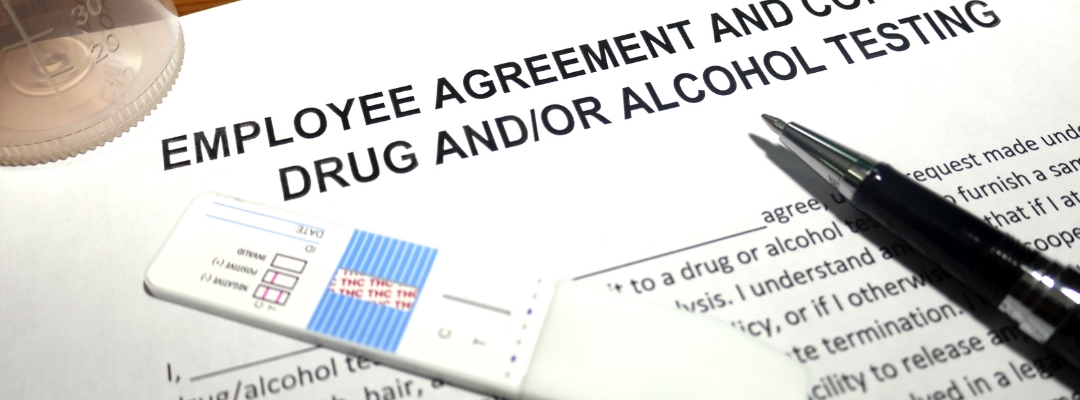
Not all federal employees are drug tested regularly. The frequency depends on the job title and agency policies. However, here are some general guidelines:
Pre-Employment Testing
Most new federal hires are tested before starting their job. This is common and expected in many agencies. If you fail this test, you usually won’t get the job.
Random Testing
For some federal jobs, especially those considered “safety-sensitive,” random testing can happen often. These positions include:
- Law enforcement officers
- Border patrol agents
- Air traffic controllers
- Transportation workers
- Certain military and defense roles
Random drug testing can happen at any time during the year without notice. Employees in these roles should be prepared to be tested regularly.
Reasonable Suspicion Testing
If a manager or supervisor sees signs that an employee may be under the influence, they can order a drug test. This is not regular testing, but it can happen at any time.
Post-Incident Testing
If a workplace accident happens, drug testing may follow. This helps the agency find out if drugs were a factor in the incident. This test protects the safety of others and helps in legal matters if injuries or damages occurred.
If the test is positive, it could lead to job loss, and legal issues. In this case, having a skilled federal drug lawyer can be very helpful.
What Happens If You Fail a Drug Test?
Failing a drug test as a federal employee can lead to serious consequences. This might include:
- Being removed from the job
- Losing security clearance
- Being banned from federal work
- Being required to attend a drug treatment program
- Legal trouble in some cases
In situations where your job or reputation is at risk, contacting a skilled federal drug lawyer is very important. A lawyer can help defend your rights and guide you on the next steps.
Can a Federal Drug Attorney Help?

While a skilled federal drug lawyer focuses on defending employees in legal trouble due to failed tests, a lawyer may be helpful in certain cases. For example, if a drug-related accident happens at work and someone gets hurt, the victim may need help from a lawyer to get compensation.
If a federal worker is wrongly accused of drug use after an accident, both types of lawyers might be needed, one to protect the employee and one to handle injury claims.
What Substances Are Tested?
Most federal employee drug tests check for the following substances:
- Marijuana
- Cocaine
- Opiates (like heroin or prescription painkillers)
- Amphetamines (including meth)
- PCP
These substances are considered illegal in most federal jobs, even if some of them are legal under state law (like marijuana in some states). Federal law takes priority in federal employment.
Legal Marijuana and Federal Jobs

It’s important to know that marijuana is still illegal under federal law. Even if you live in a state where marijuana is legal, you can still fail a federal drug test and face job loss.
This is a common reason federal employees are caught off guard. A skilled federal drug lawyer can explain your rights if you find yourself in this situation.
Rights and Privacy
Federal workers do have some privacy rights, but when it comes to drug testing, those rights are limited. If your position is sensitive or linked to safety, you can be randomly tested without warning.
However, the process must follow federal rules. If you think your test was unfair or wrongly handled, talk to a skilled federal drug lawyer. They can help protect your legal rights and your job.
Drug Testing and Federal Contractors
Drug testing is not just for federal employees. Many companies that contract with the federal government must also follow drug-free workplace rules. That means private employees working on federal projects can also be tested.
If a contractor employee gets hurt because of someone using drugs on the job, a Personal Injury Attorney might be needed to file a claim and seek compensation.
What If You Refuse a Drug Test?
Refusing a drug test in a federal job can be treated the same as failing the test. The result may include job loss, suspension, or denial of promotion.
Some employees try to avoid testing by quitting, but this can also hurt their career and job record. Always speak with a skilled federal drug lawyer before taking any action that could affect your future.
What to Do If You’re Chosen for a Test
If you’re asked to take a drug test, stay calm. Follow all instructions and make sure you know your rights. Don’t try to cheat or avoid the test, as that can make things worse.
If you believe the test is unfair or the result is wrong, speak to a lawyer right away. A skilled federal drug lawyer can help challenge the result or correct any mistakes.
Final Thoughts
Drug testing is a normal part of many federal jobs. Some employees will be tested only once when they are hired, while others may be tested randomly throughout the year. How often you’re tested depends on your job and the agency’s rules.
Knowing your rights and understanding the process can help you stay prepared. If you face any problems with a drug test, a skilled federal drug lawyer can protect your job and reputation. And if there is a workplace accident involving drugs, an attorney may be needed to help with compensation or claims.
Always stay informed, follow your agency’s policies, and know when to ask for help. Whether you’re protecting your career or seeking justice, legal support can make a big difference.

Can You Get a Failure to Appear Dismissed?
Missing a court date can be stressful. Whether it was a traffic ticket or a more serious legal matter, failing to show up in court can lead to more trouble. This situation is called a failure to appear (FTA), and it can have serious consequences like fines, arrest warrants, and even jail time.
But here’s the good news is in many cases, a failure to appear can be dismissed. The key is to act quickly, understand your rights, and talk to a Maryland failure to appear attorney who knows how to help.
This guide will explain what failure to appear means, how it affects you, and how to get it dismissed. We’ll keep it simple, easy to read, and full of helpful tips.
What Is a Failure to Appear?

Failure to appear happens when someone does not go to court on the date and time listed on their notice or summons. This can happen in criminal cases, traffic cases, or civil matters.
Even if it was an honest mistake or confusion about the date, the court may see it as ignoring the law. The judge can issue a bench warrant, which gives police permission to arrest you.
Some common reasons for failure to appear include:
- Forgetting the court date
- Losing the court papers
- Not understanding the importance of the hearing
- Illness or family emergency
- Transportation issues
- Never receiving the notice
If you have missed a court date, you are not alone, and you still have options.
What Happens After a Failure to Appear?
Once a failure to appear is recorded, the court may:
- Issue a bench warrant for your arrest
- Add extra charges or fines
- Suspend your driver’s license (in traffic or DUI cases)
- Deny future bail if you’re arrested again
The longer you wait, the worse it can get. That’s why many people contact a Maryland failure to appear attorney as soon as they realize they’ve missed court.
Can a Failure to Appear Be Dismissed?

Yes, in many cases, a failure to appear can be dismissed or resolved without arrest or extra penalties. Here are a few ways that can happen:
1. Honest Mistake or Emergency
If you missed court due to illness, a family emergency, or another valid reason, the court may cancel the warrant and reschedule your hearing. You’ll need to show proof, like a doctor’s note or hospital records.
2. Court Notification Error
If the court sent your notice to the wrong address or failed to notify you at all, a Maryland failure to appear attorney can use that as a reason to dismiss the FTA.
3. Legal Motion to Quash the Warrant
A lawyer can file a motion with the court to cancel or “quash” the warrant. If the judge agrees, you won’t be arrested, and your case can move forward.
4. Voluntary Return to Court
If you turn yourself in or appear in court quickly after the FTA, the judge may look more favorably on your case, especially if this is your first time.
How to Fix a Failure to Appear

If you missed a court date, don’t panic. You still have time to fix it. Follow these steps:
Step 1: Contact the Court
Call the clerk’s office to check your status. Ask if a warrant has been issued and what your next steps should be.
Step 2: Speak to a Maryland Failure to Appear Attorney
An attorney who knows Maryland’s laws can guide you through the process. They may be able to:
- Cancel the warrant
- Explain your reason for missing court
- Avoid extra penalties
- Represent you in court
Having a lawyer shows the court that you’re taking the issue seriously.
Step 3: Provide a Valid Reason
Gather documents to explain why you missed court. Examples include:
- Doctor or hospital records
- Family emergency paperwork
- Proof you were never notified
Step 4: Go to Court
Your lawyer may go with you or for you. Be respectful, tell the truth, and let the court know you want to make things right.
What If a Warrant Has Been Issued?
If a bench warrant was issued, it means police can arrest you at any time. But many judges are willing to cancel a warrant if you act quickly and show responsibility.
A Maryland failure to appear attorney can file a motion to quash the warrant. If successful, you can avoid being arrested and get a new court date instead.
How Serious Is a Failure to Appear?
A failure to appear is not something to ignore. The seriousness depends on your original charge.
- Traffic or civil case: The court may suspend your driver’s license and fine you.
- Misdemeanor: You could face additional charges and jail time.
- Felony: Missing court in a felony case is very serious and can increase your jail time or fines.
No matter the case, it’s better to fix the problem early with help from a lawyer.
What Are the Penalties for Failure to Appear?

Here are some penalties you could face if you don’t fix the issue:
- Jail time (even for small cases)
- Extra fines and fees
- Warrant for your arrest
- Loss of bail or bond
- Suspension of your driver’s license
- A criminal record that could affect jobs or housing
By working with a Maryland failure to appear attorney, you can avoid or reduce these penalties.
How Can a Lawyer Help?
A good lawyer can:
- Cancel the warrant
- Get your FTA dismissed
- Represent you in court
- Explain your rights
- Help you avoid jail or fines
In Maryland, court rules can be confusing. An attorney who understands local law is your best chance at clearing up your case quickly and safely.
Even if your case is small, having a lawyer shows the court you’re serious about fixing the issue.
Tips to Avoid Future FTAs
To make sure this doesn’t happen again, here are a few easy tips:
- Double-check your court date and time
- Set phone and calendar reminders
- Keep your address up to date with the court
- Talk to a lawyer if you can’t make it
- Ask about virtual hearings if travel is hard
Showing up for court is the best way to protect your future. But if something goes wrong, know that help is available.
What If You Live Out of State?
If you’ve moved out of Maryland or live far from the courthouse, it’s still your responsibility to appear or fix the problem. In many cases, your lawyer can handle things without you having to travel.
A Maryland failure to appear attorney can appear for you, file motions, and work out a plan that saves you time and stress.
When to Call a Maryland Failure to Appear Attorney
If you’ve missed court or think a warrant may be out for you, now is the time to call a injury lawyers. The sooner you act, the more options you have.
An attorney can help if:
- You missed court by accident
- You had a valid reason
- You’re not sure what to do next
- You need to avoid jail or arrest
- You want to clear your record
Don’t wait until you’re arrested or fined. A quick call can help you get back on track and protect your future.
Final Thoughts
Yes, you can get a failure to appear dismissed, but only if you take the right steps quickly. Many people miss court dates for honest reasons, and the law does allow for second chances.
With help from a Maryland failure to appear attorney, you can often cancel the warrant, avoid extra charges, and get your case back on track. The key is to act fast, be honest, and let a professional guide you.
If you’ve missed court in Maryland, don’t panic, get help, fix the problem, and move forward with peace of mind.

How to File a Medical Malpractice Lawsuit
Getting hurt or becoming sicker because of a doctor’s or nurse’s mistake can be both painful and upsetting. When we go to a hospital or clinic, we trust that the people treating us will do their job carefully and follow the rules. But sometimes, mistakes happen. If those mistakes cause serious harm, you may have the right to take legal action through a medical malpractice lawsuit.
Filing a lawsuit is not about getting back at someone. It is about making sure the person responsible is held accountable and helping you get money to cover your medical bills, lost wages, and pain. It can also help stop the same mistakes from happening to others in the future. A skilled medical malpractice attorney can help guide you through this legal process.
This guide explains the steps involved in filing a medical malpractice lawsuit in a way that’s easy to understand and follow.
What Is Medical Malpractice?

Medical malpractice happens when a doctor, nurse, or other medical worker does something wrong or fails to do something they should have, and it causes harm to a patient. Doctors must follow a basic level of care. If they do not, and you get hurt because of it, that could be malpractice.
Some common examples include
- Misdiagnosing an illness
- Waiting too long to diagnose or treat a condition
- Making a mistake during surgery
- Giving the wrong medication
- Injuries to the baby or mother during childbirth
A medical malpractice lawsuit tries to prove that a doctor or hospital made a mistake and that the mistake caused serious problems for the patient. A medical malpractice attorney can help evaluate whether your experience fits the legal definition of malpractice.
Do You Have A Case?
Not every bad result is malpractice. Sometimes things go wrong even when the doctors do everything right. But if you think your injury was caused by a clear mistake, you may have a case.
Ask yourself:
- Would another doctor have done something differently?
- Did the mistake directly cause your injury or make it worse?
- Have you had extra medical bills, lost work, or pain because of it?
It can help to get a second opinion from another doctor. Also, write down everything that happened, including your symptoms and what your doctor told you. Then speak to a medical malpractice attorney who can help review your situation.
It is also important to understand what your state law says. Each state has its own rules for what counts as malpractice. An attorney who understands these laws can tell you if your case is likely to succeed.
Collecting Your Medical Records

If you think you have a case, the next step is to gather your medical records. These are very important. They show what the doctors did and when they did it. Ask for copies of all your records, including:
- Doctor’s notes
- Test results
- Prescriptions
- Hospital discharge papers
- Bills and receipts
Also, take photos of any visible injuries and keep a list of dates and names related to your treatment. This will help your lawyer or medical malpractice attorney understand what happened and build your case.
Hiring A Medical Malpractice Lawyer

Medical malpractice cases are hard to win without a lawyer. There are many rules to follow, and you will need strong evidence and expert help. A good medical malpractice lawyer or attorney who has worked on these cases before can guide you through each step.
Look for someone who:
- Has handled malpractice cases before
- Will explain things clearly
- Is easy to talk to
- Works on a “no win, no fee” basis (called contingency)
This means you do not pay unless the lawyer wins the case for you. This makes it easier for people to get help without worrying about upfront costs.
Don’t Wait Too Long
There is a time limit to file a malpractice lawsuit, called the statute of limitations. This time limit depends on your state, but it is usually between 1 and 3 years from when the mistake happened or when you found out about it.
If you wait too long, you may not be allowed to file a case, even if the doctor clearly made a mistake. A medical malpractice attorney can help you figure out your deadline and make sure everything is filed on time.
Some states also require you to give the doctor or hospital advance notice before you file a lawsuit. Again, your attorney will know what your state requires.
Getting Help From A Medical Expert
In many states, you must get a medical expert to look at your case and say that it may be malpractice. This expert is usually a doctor who does the same kind of work as the one who treated you. If they agree that something was done wrong, they will write a statement for the court.
This helps show that your case is serious. Your medical malpractice attorney will usually find this expert for you.
Medical experts can explain to the court how the care you got was below the usual standard. Their opinion is often one of the most important parts of your case.
Starting The Lawsuit
When you and your lawyer are ready, they will write a legal document called a complaint. This paper explains
- What happened to you?
- Who made the mistake (like a doctor or hospital)?
- What money or help you are asking for
This complaint is filed with the court, and the doctor or hospital will be officially told about the lawsuit. They will then have a chance to respond.
Your lawyer may also try to settle the case before it goes to court. Many hospitals want to avoid trials and may offer to pay a fair amount. If you agree, the case ends there. If not, it continues.
What Happens After The Lawsuit Is Filed?
After the lawsuit is filed, both sides will share information and ask each other questions. This part of the case is called discovery. You might have to answer questions in writing or talk in person under oath.
During this time, both sides may try to reach a settlement. This means they agree on an amount of money to end the case without going to trial. Most malpractice cases are settled out of court.
If no agreement is made, the case may go to trial. At trial, your medical malpractice lawyer will present your case, show the evidence, and bring in experts to explain how the doctor made a mistake. The court will then decide whether you should get money and how much.
Some cases can take several months or even years. But even though it can take time, a good lawyer will keep things moving and give you updates along the way.
How Much Will It Cost?
Most medical malpractice lawyers work on a contingency fee. This means they do not get paid unless they win your case. Their payment is usually a percentage of what you win, often between 30% and 40%.
There may also be extra costs like
- Filing fees
- Expert witness fees
- Court reporting fees
- Copying and mailing documents
In many cases, the lawyer covers these costs and is paid back from the money you receive.
Talk to your lawyer about these costs ahead of time so you know what to expect. A good medical malpractice attorney will be clear and honest about fees.
Other Types Of Cases Handled By Malpractice Attorneys

A medical malpractice attorney often handles more than just doctor errors. They may also work on cases involving
- Birth injuries: When a baby is hurt during delivery because of a mistake.
- Surgical errors: Such as leaving tools inside the body or operating on the wrong part.
- Nursing home neglect: When staff do not take proper care of elderly residents.
- Hospital infections: When poor cleanliness or bad care causes a serious infection.
- Misuse of anesthesia: Giving too much or too little during a procedure.
Each of these cases can be serious, and the process of filing a lawsuit is similar. Again, a good lawyer can help guide you through each step.
Picking the Right Attorney
Choosing the right attorney is important. You want someone who is honest, skilled, and understands how hard this is for you.
Ask them:
- How many malpractice cases they have handled
- What their success rate is
- How they will keep you updated
Check online reviews and ask for recommendations from people you trust. The right medical malpractice attorney can make the process easier and improve your chances of success.
Final Thoughts
Filing a medical malpractice lawsuit can help you get justice and money to cover your losses. It is not easy, but with the right help, you can get through it.
If you were hurt because of a misdiagnosis, surgical mistake, or another kind of medical error, do not wait. Talk to a medical malpractice attorney today. They will help you understand your rights, gather your records, and fight for the compensation you deserve.
You do not have to go through this alone. Help is available, and the sooner you take action, the better your chances of a fair result.
Whether it is a doctor’s mistake, a delayed diagnosis, or even a failure to treat an obvious condition, you have the right to stand up for yourself. Do not be afraid to ask questions and demand answers. If something feels wrong, it’s worth looking into.
A medical malpractice attorney can be your voice in a complicated legal system and help you get the support you need to move forward.