


Facing a Federal Drug Charge? How a Maryland Attorney Can Defend You
Being charged with a federal drug charge can be overwhelming. Federal drug offenses are treated very seriously, and the consequences can include long prison sentences, heavy fines, and lasting damage to your personal and professional life. If you are facing a federal drug charge, it is crucial to have an experienced Maryland Federal Drug Attorney by your side to protect your rights and guide you through the legal system.
At The Law Office of C. James Terry, LLC, we are dedicated to defending clients facing federal charges in Maryland, Washington, D.C., and Pennsylvania. Our team provides personalized legal representation, helping you understand your options and build the strongest defense possible.
Understanding Federal Drug Charges

Federal drug charge are different from state-level offenses in important ways. These cases are prosecuted in federal court, which means they follow federal laws rather than state laws. Federal cases often involve stricter sentencing guidelines, meaning penalties can be longer and more severe than state charges.
Common examples of federal drug charges include:
- Possession with intent to distribute controlled substances – Being caught with drugs and evidence suggesting you planned to sell or distribute them.
- Drug trafficking across state or international borders – Transporting or selling drugs across state lines or countries, which increases the severity of the charge.
- Conspiracy to distribute drugs – Working with others to plan or carry out drug distribution, even if you did not personally handle the drugs.
- Manufacturing or distributing illegal drugs – Producing, making, or selling illegal substances, which carries serious federal penalties.
Federal cases are handled by the United States Attorney’s Office, making the process more complex than typical state cases. Investigations may involve multiple agencies, detailed evidence gathering, and strict procedural rules. Because the stakes are high, it is essential to have an experienced Maryland Federal Drug Attorney who understands federal law, court procedures, and defense strategies to protect your rights and guide you through the legal system
How a Maryland Federal Drug Attorney Can Protect Your Rights

When facing a federal drug charge, your rights must be protected at every stage of the legal process. A skilled attorney can help in several ways:
Protecting Your Constitutional Rights
Your constitutional rights are in place to ensure fair treatment under the law. An attorney can make sure that law enforcement and federal prosecutors do not violate your rights during searches, arrests, or questioning. For example, evidence obtained illegally may be excluded from court, which can significantly impact the outcome of your case.
Investigating Your Case
A thorough investigation is crucial. Your attorney will review police reports, examine evidence, and speak with witnesses. They will look for errors in the government’s case, such as illegal searches or procedural mistakes, that can help your defense.
Negotiating With Prosecutors
A Maryland Federal Drug Attorney can negotiate with federal prosecutors to potentially reduce charges, seek alternatives to prison, or minimize sentencing. Skilled negotiation can make a significant difference in your case and may provide better outcomes than going to trial.
Representing You in Court
If your case goes to trial, your attorney will provide complete representation. This includes presenting evidence, questioning witnesses, and making arguments to defend your rights. Having an experienced attorney in court is essential to achieving the best possible outcome.
The Importance of Acting Quickly
When facing a federal drug charge, acting quickly is critical. Early intervention allows your attorney to review evidence before it is lost, interview witnesses while memories are fresh, and take necessary legal steps to protect your rights. Delaying legal representation can limit your options and weaken your defense.
Common Defenses for Federal Drug Charges

There are several possible defenses your attorney may use depending on the circumstances of your case:
- Illegal Search or Seizure – If law enforcement violated your Fourth Amendment rights, evidence may be thrown out.
- Lack of Knowledge or Intent – Federal drug charges often require proof that you knowingly possessed or intended to distribute drugs. Your attorney can challenge this element.
- Entrapment – If law enforcement induced you to commit a crime you would not have otherwise committed, this defense may apply.
- Witness Credibility – Your attorney can question the reliability of government witnesses or informants.
- Procedural Errors – Mistakes made during the investigation, arrest, or prosecution may help your defense.
Each case is unique, which is why having a dedicated Maryland Federal Drug Attorney is essential to evaluate all possible defenses.
Understanding Federal Sentencing
Federal drug cases usually follow strict sentencing guidelines, which determine the severity of penalties for convicted individuals. These guidelines take several factors into account:
- The type and quantity of drugs involved – Heavier amounts or more dangerous substances can lead to longer prison sentences and higher fines.
- Your prior criminal record – Previous convictions can increase penalties and reduce the possibility of leniency.
- Whether a weapon was involved – The presence of a firearm or other weapons during a drug-related crime can result in harsher sentences.
- Your role in the drug operation – Leaders or organizers of drug operations may face more severe penalties than minor participants.
A knowledgeable Maryland Federal Drug Attorney can help you understand these potential penalties and explore strategies to reduce your sentence. This may include negotiating plea agreements, seeking alternative programs, or presenting mitigation strategies that highlight personal circumstances and rehabilitation potential. With the right legal guidance, you can navigate the complex federal system and work toward the best possible outcome for your case.
How The Law Office of C. James Terry, LLC Can Help

At The Law Office of C. James Terry, LLC, we are committed to defending clients facing federal drug charges. Here’s how we support our clients:
Personalized Legal Strategy
We take the time to understand your case, your background, and your goals. Every defense strategy is tailored to your situation to maximize the chances of a favorable outcome.
Experienced Representation
Managing Attorney James Terry has extensive experience in criminal law and federal cases. Our team understands the nuances of federal drug charges and the strategies used by prosecutors, giving our clients an edge in their defense.
Protecting Your Rights
We ensure that your constitutional rights are respected and work diligently to prevent violations that could harm your case. Our attorneys are vigilant about protecting your interests at every stage.
Clear Communication
We keep clients informed throughout the process, explaining legal terms and steps in plain language. Our goal is to reduce stress and help you make informed decisions.
Steps to Take If You Are Facing a Federal Drug Charge

If you are charged with a federal drug offense, there are important steps to take immediately:
- Do Not Talk to Law Enforcement Without an Attorney – Anything you say can be used against you.
- Document Everything – Keep records of any interactions related to your case.
- Contact a Federal Drug Attorney – Early legal representation is crucial to protecting your rights and building a strong defense.
- Follow Legal Advice Carefully – Listen to your attorney and avoid taking actions that could harm your case.
Why Experience Matters
Federal drug cases are complex, and even small mistakes can have serious consequences. An attorney with experience in federal law knows how to navigate court procedures, investigate evidence, and negotiate with prosecutors. At The Law Office of C. James Terry, LLC, we have successfully represented clients in Maryland, Washington, D.C., and Pennsylvania, helping them achieve the best possible results in challenging cases.
Client-Focused Approach
We understand that facing a federal drug charge can be stressful and intimidating. Our law firm prioritizes:
- Compassion – We treat every client with respect and empathy.
- Transparency – We explain each step of the legal process in simple terms.
- Commitment – We dedicate ourselves fully to defending your rights and interests.
Contact The Law Office of C. James Terry, LLC
If you or a loved one is facing a federal drug charge, it is critical to seek legal representation immediately. Acting quickly can protect your rights, prevent mistakes, and improve your chances of a favorable outcome.
Contact The Law Office of C. James Terry, LLC today to schedule a consultation. We serve clients across Maryland, Washington, D.C., and Pennsylvania, providing strong, experienced legal defense for federal drug charges.
- Website: https://terryatlaw.com
- Phone: 410-699-0558
Our team is dedicated to helping clients understand their rights, explore legal options, and build a defense tailored to their situation. Don’t face a federal drug charge alone—reach out to a trusted Maryland Federal Drug Attorney today.

If You’re Arrested During a Protest in DC: Essential Steps to Know
Protests are a powerful way to speak out, stand together, and push for change. In Washington, D.C., people often gather to use their voices on issues that matter. But while most protests are peaceful, arrests sometimes happen—even if you did not break the law.
If you are arrested during a protest in D.C., the experience can feel scary and overwhelming. The good news is that you are not alone. Knowing your rights and the right steps to take can protect you from bigger problems later.
At The Law Office of C. James Terry, LLC, we are committed to defending people who face charges connected to protests. In this guide, we explain—in simple terms—what to do if you are arrested during a protest in Washington, D.C.
Why People Get Arrested at Protests

Not all protest arrests happen because of serious crimes. Sometimes, people are taken into custody for minor reasons or even mistakes. Here are some common reasons why arrests occur during protests in D.C.:
- Blocking streets or sidewalks – Police may arrest people who they believe are stopping traffic or blocking others from passing.
- Failure to disperse – If police order a crowd to move and you do not, you could be arrested.
- Disorderly conduct – Shouting, arguing with officers, or being seen as disruptive can sometimes lead to charges.
- Property damage – Breaking windows, spray-painting, or damaging buildings is often charged as destruction of property.
- Curfew violations – At times, the city sets a curfew, and staying out past it can lead to arrest.
Even if you did not do anything wrong, being in the wrong place at the wrong time can still result in an arrest. That is why it is important to know how to handle the situation.
Step 1: Stay Calm and Respectful
The first and most important step when you are approached or arrested is to stay calm. Getting upset, yelling, or resisting arrest can make things worse.
- Take deep breaths.
- Keep your hands visible so officers do not think you are resisting.
- Do not run or fight back.
Remember: staying calm does not mean you agree with the arrest—it just protects you in the moment.
Step 2: Know Your Rights

You have rights under the Constitution, even if you are arrested during a protest. Here are key rights to remember:
- Right to remain silent – You do not have to answer police questions beyond giving your name and basic information.
- Right to an attorney – You can ask for a lawyer right away. Do not answer questions about the protest, your actions, or your friends until your lawyer is present.
- Right to avoid self-incrimination – You never have to explain, justify, or defend yourself on the spot.
- Right to medical help – If you are injured, you can ask for medical attention while in custody.
A helpful phrase to remember: “I am exercising my right to remain silent. I want to speak with my attorney.”
Step 3: Do Not Volunteer Extra Information
During an arrest, officers may try to get you to talk. They might say things like:
- “If you explain, we can let you go.”
- “It will look better for you if you cooperate.”
- “Just tell us who organized this protest.”
These statements are designed to make you speak. But remember—anything you say can be used against you later in court.
The safest approach is to give your name, date of birth, and address if required, and then remain silent. Save your story for your attorney.
Step 4: Ask for a Lawyer Immediately

One of the most important things you can do is ask for a lawyer right away. In Washington, D.C., you have the right to legal counsel if you are arrested. Do not wait until later—say it as soon as possible.
You can say:
“I want to speak with my attorney before answering any questions.”
At The Law Office of C. James Terry, LLC, we are ready to protect your rights, challenge unfair arrests, and guide you through the process.
Step 5: Stay Aware of the Booking Process
After being arrested, you will likely be taken to a police station or processing center. Here’s what usually happens:
- Search – Officers may search your pockets and belongings.
- Property collection – Your items, like your phone or bag, may be taken and returned later.
- Fingerprinting & photos – Your fingerprints and booking photo may be taken.
- Charges – Police will decide what charges, if any, you will face.
- Release or holding – In some cases, you may be released with a citation, while in others you may need to appear before a judge.
This process can feel stressful, but staying quiet and respectful helps protect your case.
Step 6: Contact Family or Friends
Once allowed, make a phone call to let someone know what happened. This could be a family member, a friend, or your attorney. If you know you are going to a protest, it’s smart to write down important phone numbers beforehand in case your phone is taken.
Step 7: Work with Your Attorney

After your release, your attorney becomes your strongest ally. A skilled lawyer can:
- Review the arrest for mistakes or violations of your rights.
- Challenge evidence, like video footage or police reports.
- Argue for dismissal or reduction of charges.
- Protect you in court and fight for the best possible outcome.
At The Law Office of C. James Terry, LLC, we understand how protest-related arrests happen and how to build strong defenses.
What NOT to Do if Arrested at a Protest
- Do not argue with police on the street. Save arguments for court.
- Do not resist arrest physically. Even small movements can be misread.
- Do not sign anything without your lawyer.
- Do not post details about your arrest on social media. Prosecutors can use your posts against you.
Possible Consequences of Protest Arrests

Being arrested at a protest does not always mean you will face serious penalties. In many cases, charges are dismissed, especially if you did not damage property or act violently. However, here are some possible outcomes:
- Fines – For minor charges like blocking traffic.
- Community service – Sometimes ordered in place of fines or jail.
- Probation – A period where you must stay out of trouble and follow rules.
- Jail time – Rare for peaceful protest arrests but possible in cases of property damage, assault, or resisting arrest.
A lawyer can often reduce or even eliminate these penalties.
How to Prepare Before Going to a Protest
If you plan to attend a protest in D.C., a little preparation goes a long way. Here are some smart steps:
- Bring ID – Carry a government-issued ID in case you are detained.
- Write down numbers – Have your lawyer’s number and a trusted contact written on paper.
- Limit belongings – Bring only what you need (water, mask, small bag).
- Know your rights – Review the right to remain silent and the right to an attorney.
Plan ahead – Go with friends, set a meeting point, and check for curfew or restrictions.
Why You Need a Lawyer Who Understands D.C. Protest Arrests

Not every lawyer has experience with protest-related arrests. You need someone who knows:
- How D.C. police and prosecutors handle protest cases.
- The common mistakes made during arrests.
- How to fight back against unfair charges.
- The importance of protecting your record from long-term damage.
At The Law Office of C. James Terry, LLC, we focus on protecting the rights of people like you. We believe in free speech, the right to protest, and defending those who are treated unfairly.
About The Law Office of C. James Terry, LLC
At our firm, we are dedicated to protecting the rights and liberties of every client. Based in Baltimore, Maryland, with plans to expand into Washington, D.C., we represent clients in criminal, civil, and personal injury law across Maryland, D.C., and Pennsylvania.
Led by Managing Attorney James Terry, our mission is to provide strong legal representation with care, commitment, and deep knowledge of the law.
Final Thoughts
Being arrested during a protest in Washington, D.C. can be frightening—but it does not have to ruin your future. The most important things to remember are:
- Stay calm.
- Know your rights.
- Ask for a lawyer immediately.
- Do not talk without your lawyer present.
At The Law Office of C. James Terry, LLC, we are here to stand by your side, fight for your rights, and help you move forward.
If you or a loved one has been arrested during a protest in D.C., contact us today to get the legal help you deserve.
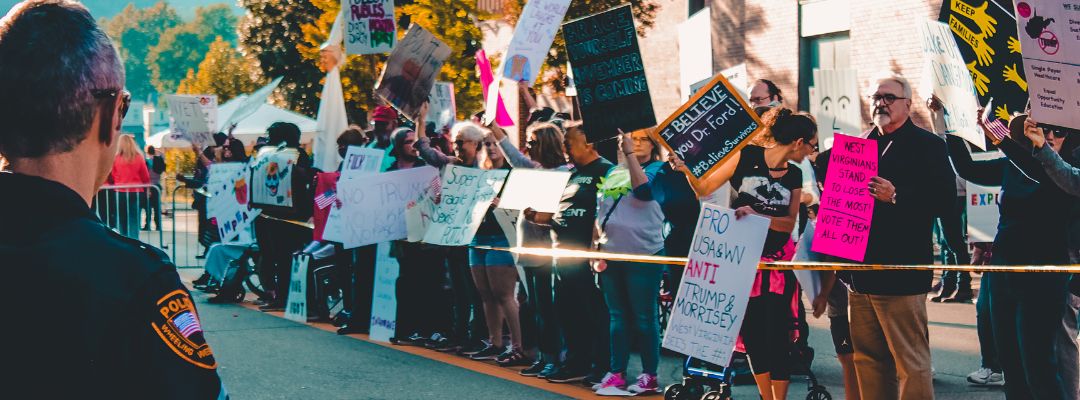
How to Interact with Police During a Protest: Tips for DC Activists
Attending a protest can be a powerful way to express your beliefs, support a cause, and bring attention to issues that matter. However, protests can sometimes be unpredictable, and knowing how to interact with law enforcement is essential to stay safe and protect your rights. At The Law Office of C. James Terry, LLC, we are committed to helping individuals in Maryland, Washington, D.C., and Pennsylvania understand their legal rights during peaceful protests.
In this guide, we provide practical tips and strategies for staying safe while participating in protests, avoiding legal trouble, and knowing what to do if you are approached or detained by police.
Understanding Your Rights During Peaceful Protests

When participating in peaceful protests, it’s crucial to understand your legal rights. The U.S. Constitution protects the right to assemble and express your opinions. These rights include:
- Freedom of Speech – You can express your views, carry signs, chant, or make statements without fear of retaliation.
- Right to Assemble – Peaceful gatherings are protected, even if your message is unpopular.
- Right to Record – You can legally record public events, including police actions, as long as you don’t interfere with their duties.
- Right to Remain Silent – If questioned by police, you have the right to remain silent and request a lawyer.
Understanding these rights helps you act confidently and legally during peaceful protests. Remember, these protections apply as long as the protest remains nonviolent and does not block emergency routes or commit property damage.
Before the Protest: Planning and Preparation

Proper planning is essential to stay safe, protect your rights, and ensure a positive protest experience. Taking a few simple steps before attending a protest can make a significant difference in how smoothly your day goes. Here are some key tips for preparing before heading to a protest in Washington, D.C., or anywhere in the region:
Research the Event
Before you attend, take time to learn about the protest. Understand the location, route, and the organizers behind the event. Check whether the protest has official permits or if there are any city restrictions in place. Being informed helps you avoid unexpected legal issues or disruptions.
Dress Appropriately
Wear clothing that is comfortable for walking or standing for long periods. Choose shoes suitable for uneven terrain or crowded spaces. Avoid carrying items that could be mistaken for weapons, and consider weather-appropriate attire to stay safe and comfortable throughout the event.
Bring Essentials
Bring basic necessities to help you manage the day. Pack water to stay hydrated, snacks for energy, and any medications you may need. Ensure your phone is fully charged and has important contacts saved, including friends, family, or legal support, in case you need assistance.
Know Emergency Contacts
Prepare for emergencies by having important phone numbers on hand. Save the contact information for a lawyer or legal hotline, and make sure someone you trust knows your plans, including where you are going and when you expect to return. This can be critical if you encounter legal or safety issues.
Plan for Transportation
Think ahead about how you will get to and from the protest safely. Check for public transportation options, parking, or ride-sharing services. Be aware of alternate routes in case of road closures, police blockades, or unexpected crowd movement to ensure you can leave safely at any time.
During the Protest: Staying Safe

Once you arrive at the protest, the focus should be on staying safe while expressing your views. Here are practical tips for interacting with law enforcement and other participants:
Stay Calm and Respectful
Even if tensions rise, remain calm. Avoid arguing with police officers or engaging with aggressive protesters. Keeping a respectful tone can prevent misunderstandings and reduce the risk of arrest.
Know Your Rights
- You do not have to answer questions beyond providing your name if requested.
- You have the right to leave at any time unless you are being lawfully detained or arrested.
- Peaceful protests do not give police automatic authority to search your belongings without consent or a warrant.
Document the Event
Recording police actions can provide protection if any legal issues arise. Use your phone or a camera to:
- Capture incidents of police misconduct.
- Document the route and crowd behavior.
- Avoid interfering with officers while recording.
Avoid Illegal Actions
Even during peaceful protests, certain actions can lead to arrest:
- Blocking traffic without a permit.
- Vandalizing property.
- Engaging in physical altercations.
By avoiding these behaviors, you reduce the risk of legal trouble while staying committed to peaceful advocacy.
If You Are Approached or Detained by Police

Even in peaceful protests, interactions with police may occur. Knowing what to do in these situations is critical.
Stay Calm and Composed
- Take deep breaths and remain polite.
- Avoid sudden movements that could be misinterpreted as a threat
Ask if You Are Free to Leave
If approached by an officer, calmly ask if you are being detained. If the answer is no, you may leave. If yes, remain silent beyond providing basic identification.
Exercise Your Right to Remain Silent
- Politely say, “I am choosing to remain silent and would like to speak with a lawyer.”
- Do not answer questions about your activities or the protest beyond basic identification.
Do Not Resist Arrest
Even if you believe the arrest is unfair, resisting can lead to additional charges. Comply peacefully and document as much as possible.
Request Legal Representation
If arrested, you have the right to a lawyer. Contact The Law Office of C. James Terry, LLC or a trusted legal representative immediately. Our team is experienced in handling cases arising from peaceful protests in D.C., Maryland, and Pennsylvania.
Protecting Your Rights After the Protest

After the event, there are several steps you can take to protect yourself legally:
Document Everything
- Write down details about the protest, including time, location, and interactions with police.
- Save any recordings, photos, or social media posts related to the event.
Reach Out for Legal Advice
If you were detained, arrested, or witnessed rights violations, contact an experienced attorney. At The Law Office of C. James Terry, LLC, we guide activists through the legal process and protect your rights.
Support Your Community
- Share knowledge with fellow activists about safe protest practices.
- Encourage reporting of police misconduct to oversight bodies.
Common Mistakes to Avoid During Peaceful Protests
Even well-intentioned activists can make errors that jeopardize their safety or legal standing. Avoid these common mistakes:
- Failing to Research Laws – Each city may have specific regulations about protests. Know them beforehand.
- Engaging in Violence – Physical confrontations can lead to arrest or injury.
- Ignoring Police Instructions – Even if you believe they are wrong, follow lawful orders to avoid escalation.
- Posting Sensitive Information Publicly – Social media posts can be used as evidence against participants.
Legal Support for Peaceful Protesters

At The Law Office of C. James Terry, LLC, we are dedicated to protecting the rights of all individuals participating in peaceful protests. Our legal services include:
- Representing individuals wrongfully arrested or detained during protests.
- Advising activists on legal strategies to stay safe and assert their rights.
- Handling civil rights claims for victims of police misconduct.
Led by Managing Attorney James Terry, our team has extensive experience in criminal, civil, and personal injury law across Maryland, Washington, D.C., and Pennsylvania. We are committed to providing strong, knowledgeable advocacy for every client.
Key Takeaways for DC Activists
- Know Your Rights – Freedom of speech and assembly are protected under the Constitution.
- Plan Ahead – Research the protest, bring essentials, and share your plans with trusted contacts.
- Stay Calm – Respectful behavior reduces the risk of arrest and escalation.
- Document Actions – Recording interactions can protect you legally.
- Seek Legal Help – If detained, arrested, or mistreated, contact an experienced attorney immediately.
By following these tips, you can participate in peaceful protests safely, assert your rights, and advocate effectively for the causes you care about.
Contact The Law Office of C. James Terry, LLC
If you have questions about your rights during protests or need legal support after an interaction with law enforcement, The Law Office of C. James Terry, LLC is here to help.
- Website: https://terryatlaw.com
- Locations: Baltimore, MD, with services expanding to Washington, D.C. and Pennsylvania
- Practice Areas: Criminal law, civil rights, personal injury
Our mission is to provide knowledgeable, compassionate legal representation for all clients, including activists engaged in peaceful protests.

How to File a Construction Accident Compensation Claim Step by Step
Construction sites are some of the most dangerous workplaces in the country. Workers face risks from heavy machinery, falls, electrical hazards, and other potential dangers every day. If you have been injured in a construction accident, it is important to understand your legal rights and take the necessary steps to seek compensation. Filing a construction accidents compensation claim can help cover medical expenses, lost wages, and other damages.
At The Law Office of C. James Terry, LLC, our team of experienced construction accident attorneys helps clients in Maryland, Washington, D.C., and Pennsylvania navigate these complex claims. We are committed to providing personalized support and aggressive advocacy to ensure injured workers receive the compensation they deserve.
Understanding Construction Accident Compensation

Construction accident compensation is money awarded to workers who are injured on the job due to unsafe conditions, employer negligence, or defective equipment. This compensation can cover several areas, including:
- Medical expenses – Hospital bills, surgeries, medication, and rehabilitation.
- Lost wages – Income lost due to missed work while recovering from injuries.
- Permanent disability – Compensation for long-term or permanent injuries that affect your ability to work.
- Pain and suffering – Damages for physical pain and emotional distress caused by the accident.
- Property damage – Reimbursement for personal items damaged during the accident.
Construction workers have legal rights under state workers’ compensation laws, and in some cases, they may also pursue claims against third parties responsible for unsafe conditions.
Step 1: Seek Immediate Medical Attention

Your health and safety come first. After a construction accident:
- Get medical care immediately – Even if injuries seem minor, they can worsen over time.
- Document your injuries – Keep detailed records of all medical treatments, diagnoses, and recommendations.
- Follow medical advice – Proper treatment not only helps your recovery but also strengthens your compensation claim.
Medical records are critical evidence in your construction accidents compensation case, and insurance companies often rely on them to assess the value of your claim.
Step 2: Report the Accident to Your Employer

Most construction sites have safety protocols that require reporting accidents immediately. Be sure to:
- Notify your supervisor or employer in writing as soon as possible.
- Include details of the accident, such as location, time, and circumstances.
- Keep a copy of the accident report for your records.
Reporting the accident promptly protects your right to file a workers’ compensation claim and ensures compliance with workplace safety regulations.
Step 3: Gather Evidence

Evidence plays a key role in establishing liability and the extent of your injuries. Collect the following:
- Photographs of the accident scene – Include machinery, tools, scaffolding, and any hazards that contributed to the accident.
- Witness statements – Get contact information from coworkers or bystanders who saw the accident occur.
- Work records – Timesheets, job assignments, and safety logs can help prove you were on duty and performing work-related tasks.
- Medical records – Detailed documentation of injuries, treatments, and recovery progress.
Well-organized evidence strengthens your case and increases the likelihood of fair compensation.
Step 4: Contact Experienced Construction Accident Attorneys

Navigating a construction accidents compensation claim can be complex, and insurance companies often try to minimize payouts. Hiring experienced construction accident attorneys early in the process is essential. They can:
- Evaluate your case and determine the best strategy.
- Communicate with insurance companies on your behalf.
- Help gather and organize evidence.
- Ensure deadlines are met for filing claims.
- Represent you in negotiations or court if necessary.
Choosing the Best Construction Accident Lawyer increases your chances of securing full compensation and avoiding mistakes that could harm your case.
Step 5: File Your Workers’ Compensation Claim

Most construction injuries in Maryland are covered by workers’ compensation. To file a claim:
- Complete a workers’ compensation application form provided by your employer or the state.
- Submit all necessary documentation, including medical records and accident reports.
- Keep copies of all forms and correspondence for your records.
A skilled attorney can review your claim to ensure it is complete and accurate, reducing the risk of delays or denial.
Step 6: Determine Third-Party Liability
In some cases, your employer’s insurance may not cover all damages. You may be able to pursue claims against:
- Equipment manufacturers for defective tools or machinery.
- Contractors or subcontractors responsible for unsafe working conditions.
- Property owners who failed to maintain a safe work environment.
Your construction accident attorneys can investigate third-party liability and advise you on additional compensation options beyond workers’ compensation.
Step 7: Negotiating a Settlement

Most construction accident cases are resolved through settlement rather than trial. Settlement negotiations involve:
- Determining the total value of your claim, including medical expenses, lost wages, and pain and suffering.
- Communicating with insurance companies or opposing parties.
- Negotiating for a fair payout that fully compensates you for your injuries.
Having the Best Construction Accident Lawyer on your side ensures that your settlement offer reflects the true value of your claim and protects your long-term interests.
Step 8: Preparing for Trial
If a fair settlement cannot be reached, your case may go to trial. Your attorney will:
- Present evidence and witness testimony to prove liability and damages.
- Challenge the defense’s evidence and arguments.
- Work to secure maximum compensation through the court system.
Going to trial is complex, which is why experienced construction accident attorneys are essential to guide you through each step.
Common Causes of Construction Accidents

Understanding the causes of construction accidents can help you protect your rights and strengthen your claim. Common causes include:
- Falls from heights – Scaffolding, ladders, and roofs are frequent sites of serious injuries.
- Equipment accidents – Malfunctioning machinery or improper use can lead to severe injuries.
- Electrocution – Contact with live wires or faulty electrical systems.
- Struck by objects – Falling tools, debris, or materials.
- Trench collapses and cave-ins – Serious injuries or fatalities can occur in excavation sites.
Knowing the cause of your accident helps your attorney identify liable parties and pursue full compensation.
Workers’ Compensation vs. Personal Injury Claims
Many injured construction workers can pursue both workers’ compensation and personal injury claims:
- Workers’ Compensation – Covers medical expenses and lost wages. It is typically no-fault, meaning you don’t have to prove negligence.
- Personal Injury Claims – Allows recovery from third parties responsible for your injuries, potentially covering additional damages such as pain and suffering.
Your construction accident attorneys can evaluate your situation and guide you on the best approach to maximize compensation.
Statute of Limitations
It is important to act quickly. Maryland has specific deadlines for filing workers’ compensation and personal injury claims. Missing these deadlines can prevent you from recovering damages. Your attorney ensures that all filings are timely and comply with state law.
How the Best Construction Accident Lawyer Can Help

Hiring the Best Construction Accident Lawyer provides several advantages:
- Expert knowledge of Maryland’s construction accident laws.
- Proven strategies to maximize compensation.
- Experience negotiating with insurance companies and defense attorneys.
- Personalized guidance tailored to your unique case.
At The Law Office of C. James Terry, LLC, we are dedicated to protecting injured workers and helping them secure the compensation they need to recover physically, emotionally, and financially.
Tips for Protecting Yourself After a Construction Accident
Even after immediate medical attention, it is important to take steps to protect your claim:
- Keep detailed records – Track medical appointments, treatment, and expenses.
- Document communications – Keep copies of all reports, emails, and letters related to your claim.
- Avoid discussing your case publicly – Statements to coworkers or on social media can be used against you.
- Follow medical advice – Compliance with treatment strengthens your claim for construction accidents compensation.
- Consult an attorney early – The sooner you involve a skilled lawyer, the stronger your case will be.
Common Mistakes to Avoid
Workers sometimes make mistakes that weaken their claims. Avoid these errors:
- Delaying medical treatment or failing to report injuries promptly.
- Ignoring safety violations that may have contributed to the accident.
- Accepting a quick settlement without understanding the full value of your claim.
- Failing to consult experienced construction accident attorneys before negotiating with insurance companies.
Avoiding these mistakes ensures that your claim is handled properly and that you receive the compensation you deserve.
Conclusion
Filing a construction accidents compensation claim can be complex, but taking the right steps makes a significant difference in the outcome. Seeking immediate medical care, reporting the accident, gathering evidence, and consulting experienced construction accident attorneys are essential. Working with the Best Construction Accident Lawyer ensures that your claim is handled effectively and that you receive full compensation for your injuries, lost wages, and other damages.
If you have been injured in a construction accident, it is crucial to act quickly and secure the guidance of skilled legal professionals. Contact us today to speak with a knowledgeable attorney who can help protect your legal rights, guide you through the claims process, and pursue the compensation you deserve. With the right support, you can focus on recovery while ensuring your case is handled properly.

Aggravated vs. Second Degree Assault in Maryland: Key Differences Explained
Understanding the differences between types of assault in Maryland is essential for anyone facing assault charges or trying to protect their rights. Maryland law classifies assaults into different categories based on the severity of the offense, the intent of the individual, and whether a weapon was involved. Knowing these distinctions can help you understand potential consequences and the importance of strong legal representation.
At The Law Office of C. James Terry, LLC, we help clients across Maryland, Washington, D.C., and Pennsylvania navigate criminal assault laws and defend their rights. This guide explains the key differences between aggravated assault Maryland, second-degree assault, and simple assault Maryland, as well as common defenses and the legal process involved.
Understanding Types of Assault in Maryland

Maryland law divides assault into several categories depending on how serious the act was and the harm caused. The main types include:
- Simple Assault (Simple Assault Maryland) – This generally involves minor physical harm or threats of harm without the use of a weapon. Examples include slapping, shoving, or threatening someone verbally. Simple assault is usually treated as a misdemeanor and carries lighter penalties than more serious forms of assault.
- Second-Degree Assault – This occurs when someone intentionally causes serious bodily harm or recklessly threatens serious injury. Second-degree assault is more severe than simple assault but less serious than aggravated assault. Penalties may include jail time, fines, and probation.
- Aggravated Assault (Aggravated Assault Maryland) – This is the most serious type of assault and typically involves the use of a deadly weapon, life-threatening injuries, or assaulting protected individuals such as police officers. Aggravated assault carries the harshest penalties, including long prison sentences and large fines.
Key Differences Between Aggravated and Second-Degree Assault

While both types of assault involve causing harm or threatening harm, the differences in severity, intent, and circumstances are significant:
Second-Degree Assault
- Intent – The person acted intentionally or recklessly, causing serious injury or posing a real threat of injury.
- Severity – Serious bodily injury occurs, but no deadly weapon is used.
- Penalties – Convictions can lead to substantial fines, probation, or jail time, depending on the specifics of the case and the individual’s criminal history.
Aggravated Assault
- Intent – The person intentionally causes severe harm, often using a deadly weapon or assaulting a protected individual.
- Severity – Involves life-threatening injuries or significant harm to the victim.
- Penalties – Carries the harshest sentences under Maryland law, including lengthy prison terms and significant fines.
Understanding these distinctions is crucial for determining the proper defense strategy and preparing for potential consequences.
Common Elements of Assault Charges
Regardless of the type, Maryland assault charges share several key elements:
- Intent – Assault generally requires that the individual intended to cause harm or acted recklessly.
- Harm or Threat – There must be either actual physical harm or a credible threat of harm to another person.
- Use of a Weapon – For aggravated assault, the presence of a weapon significantly increases the severity of the charges and potential penalties.
These elements are carefully examined in court, and an experienced attorney can help challenge or clarify them to protect your rights.
Penalties for Assault in Maryland

The penalties for assault in Maryland vary depending on the type and severity of the offense:
- Simple Assault – Typically a misdemeanor, punishable by fines, probation, or up to 90 days in jail.
- Second-Degree Assault – Usually a felony, punishable by up to 10 years in prison, fines, and probation.
- Aggravated Assault – Felony charges with penalties ranging from 5 to 25 years in prison, large fines, and long-term consequences for your criminal record.
It’s important to understand that prior criminal history, the victim’s condition, and whether a weapon was used can all affect sentencing.
Common Defenses Against Assault Charges
An experienced attorney can help build a defense for assault charges by analyzing the facts of the case and looking for weaknesses in the prosecution’s evidence. Common defenses include:
- Self-Defense – If you acted to protect yourself or others from imminent harm, this may justify your actions.
- Lack of Intent – Assault requires intent; if you did not intend to cause harm, the charge may be reduced or dismissed.
- Mistaken Identity – If you were wrongly identified as the perpetrator, your attorney can present evidence to prove it.
- Consent – In some cases, consent to minor physical contact can be a valid defense.
Insufficient Evidence – Your attorney may challenge the prosecution if there is not enough evidence to prove the assault beyond a reasonable doubt.
The Role of a Maryland Assault Attorney

Working with a knowledgeable attorney is critical if you face any type of assault charge. A skilled Maryland Federal Drug Attorney or criminal defense lawyer can:
- Review all evidence and identify weaknesses in the prosecution’s case.
- Advise you on potential outcomes and penalties for each type of assault.
- Negotiate with prosecutors for reduced charges or alternative sentencing.
- Represent you in court and advocate for your rights at every stage.
At The Law Office of C. James Terry, LLC, our attorneys provide personalized attention and develop strong defense strategies for clients facing assault charges in Maryland.
The Legal Process for Assault Charges

Understanding the legal process can help reduce stress and prepare for what to expect:
- Investigation – Law enforcement investigates the incident and gathers evidence.
- Arrest or Summons – You may be arrested or issued a summons depending on the severity of the alleged assault.
- Charging – The prosecutor files charges based on the evidence and type of assault.
- Pretrial Hearings – Hearings may determine bail, evidence admissibility, or plea negotiations.
- Trial or Plea Bargain – Many cases are resolved through plea agreements, but some proceed to trial.
- Sentencing – If convicted, the court imposes penalties based on Maryland’s criminal assault laws and relevant factors.
Having an experienced attorney ensures your rights are protected at every stage of this process.
Why Experience Matters
Assault cases can have serious, long-term consequences, including prison time, fines, and a permanent criminal record. An attorney with experience in assault charges and criminal assault laws can:
- Navigate complex legal procedures.
- Negotiate with prosecutors effectively.
- Build strong defenses tailored to your case.
- Reduce or mitigate potential penalties.
At The Law Office of C. James Terry, LLC, we understand the nuances of Maryland law and provide clear guidance, strong representation, and personalized strategies for each client.
Preventing Future Legal Issues
Even if charges are dropped or reduced, facing an assault charge can affect your life. A skilled attorney can help:
- Advise you on avoiding situations that could lead to future charges.
- Help expunge or seal records when eligible.
- Guide you through rehabilitation programs or anger management courses if appropriate.
Taking these steps can help protect your future and prevent repeat legal issues.
Key Takeaways
- Maryland classifies assault into simple assault, second-degree assault, and aggravated assault, with penalties increasing based on severity and intent.
- Aggravated assault Maryland involves serious injury or use of a deadly weapon, while second-degree assault involves serious injury without a weapon.
- Understanding types of assault in Maryland and criminal assault laws is critical for protecting your rights.
- An experienced attorney can help challenge evidence, negotiate reduced charges, and provide strong court representation.
Contact The Law Office of C. James Terry, LLC
Facing assault charges in Maryland can be stressful and have serious long-term consequences. Understanding the differences between simple assault, second-degree assault, and aggravated assault is crucial for protecting your rights and navigating the legal process. With experienced legal guidance, you can challenge evidence, explore defenses, and work toward the best possible outcome for your case. Strong representation ensures that your rights are protected and that you have the support needed to move forward with confidence.